
24/7 Customer Support

Free returns

Same-day & Next-day Delivery

Quality Guaranteed

Unlock Your Welcome Offers: FREE Delivery | Up to 80% OFF | Free 30-day JoyPlus trial
Download the APP
Managing household waste responsibly is becoming a priority for many of us in the UK. A home composting system not only reduces the amount of rubbish sent to landfill but also provides you with a free, nutrient-rich soil improver for your garden. However, with so many options available, from a simple kitchen caddy to a large outdoor composter, finding the right setup can feel overwhelming.
This guide is designed to help you navigate the choices. We will walk you through the key factors to consider when selecting a compost bin and highlight a few practical options that suit different household needs, whether you're a keen gardener or simply looking for a better way to handle food scraps.
Before you decide, it’s helpful to think about your specific needs. A successful composting journey starts with choosing equipment that fits your space and lifestyle. Here are a few points to consider.
The first step is to decide where you'll be generating the most waste.
Most compost bins in the UK are made from plastic, and for good reason. Modern composters are often constructed from recycled plastic, making them a sustainable choice. This material is also lightweight, durable and weather-resistant, which is crucial for an item that will live in your garden year-round. A sturdy, well-made bin will withstand the elements and last for many seasons.
A few key features can make the composting process much easier:
Based on practical features and user needs, here are our recommendations for building an effective home composting system.
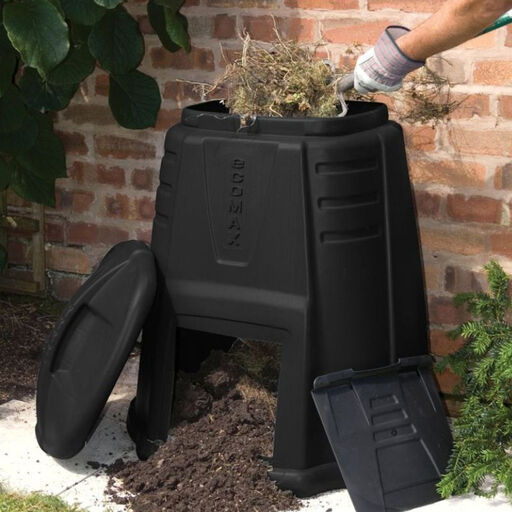
Why It Stands Out: This garden composter is a robust and practical choice for anyone serious about turning garden and kitchen waste into valuable compost. Made from recycled plastic, its large 220-litre capacity is ideal for handling a continuous supply of grass clippings, leaves and vegetable scraps. The design focuses on efficiency, with a locking lid to manage moisture and deter pests and a convenient access panel at the base for harvesting finished compost without disturbing the layers above.
Pros:
Who is it for? This is an excellent starting point for homeowners with small to medium-sized gardens who want a reliable, all-in-one outdoor compost bin to create their own soil conditioner.
View the Strata 220L Compost Bin on Joybuy.co.uk
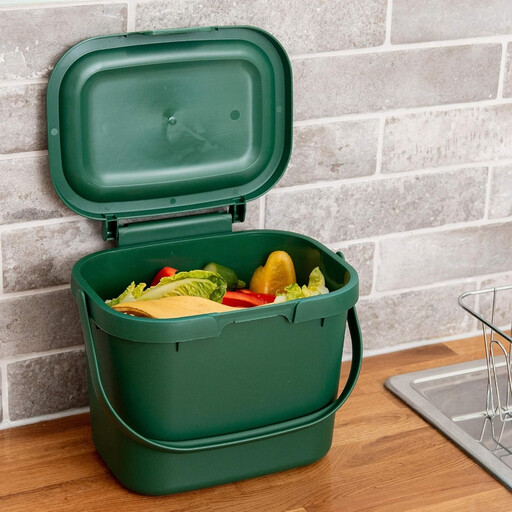
Why It Stands Out: The Addis caddy offers a simple and stylish solution for managing daily food waste. Its compact 4.5-litre size is perfect for the kitchen worktop, allowing you to collect peelings and scraps as you prepare meals. The integrated carry handle makes it effortless to transport waste to your main compost heap or council bin. Made from durable, easy-to-clean plastic, its sage green colour provides a modern touch that complements most kitchen decors.
Pros:
Who is it for? Anyone looking for a neat and tidy food waste bin for their kitchen. It’s perfect for collecting daily scraps for transfer to a larger composter or for use with local council food waste collection schemes.
View the Addis 4.5L Kitchen Caddy on Joybuy.co.uk
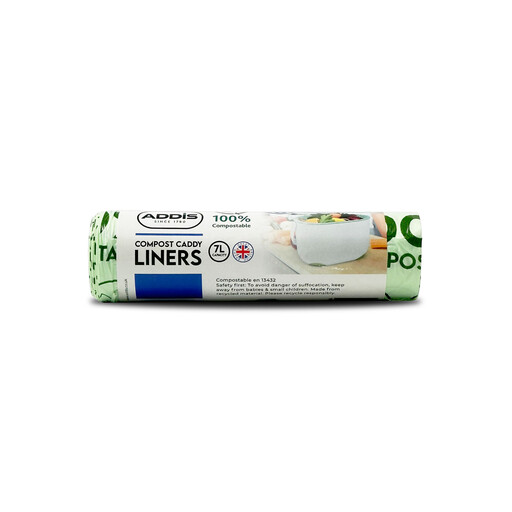
Why It Stands Out: These compostable bin liners are the ideal partner for any kitchen caddy. Made from corn starch, they are designed to break down naturally along with your food waste in a home compost heap. Using these food caddy liners keeps your bin cleaner, reduces odours and makes the task of emptying scraps far more hygienic. Simply lift the liner and its contents straight into your garden composter.
Pros:
Who is it for? Users of a kitchen compost caddy who want to simplify their routine and maintain a higher level of cleanliness and convenience.
View Addis Compost Liners on Joybuy.co.uk
If these suggestions aren't quite what you're looking for, or if you'd like to see different sizes and styles, there are many other solutions available. From tumblers to multi-chamber systems, you can find a composter to suit any space.
Explore Our Full Range of Composting Bins
1. What should you not put in a compost bin in the UK? To maintain a healthy, odour-free compost pile, you should avoid adding cooked food, meat, fish, dairy products, bones and oily or greasy foods. These can attract pests and create unpleasant smells. Also, avoid composting diseased plants, as the pathogens may survive and spread back into your garden.
2. How often should I empty my kitchen compost caddy? It is a good practice to empty your kitchen caddy every 2-3 days. This prevents food scraps from starting to decompose and produce odours inside your home. Regular emptying keeps your kitchen fresh and your main compost pile active.
3. Do I really need compostable bin liners? While not strictly essential, using compostable bin liners is highly recommended. They make managing a food caddy significantly cleaner and more convenient. They prevent sticky residues from building up inside the bin, reduce the need for frequent washing and allow you to transfer waste without any mess. Just ensure you choose liners that are certified for home composting.