
24/7 Customer Support

Free returns

Same-day & Next-day Delivery

Quality Guaranteed

Unlock Your Welcome Offers: FREE Delivery | Up to 80% OFF | Free 30-day JoyPlus trial
Download the APP
The humble kitchen sponge is a daily workhorse, but the common yellow and green scourers are typically made from plastic. Used for a few weeks and then discarded, they contribute to landfill waste and shed microplastics into our waterways. For those of us aiming for a more sustainable, zero-waste kitchen, finding an effective alternative is a top priority.
Navigating the world of eco-friendly cleaning can be confusing. This guide is designed to help you understand what to look for in a compostable kitchen sponge and other sustainable cleaning tools. We will explore the key features to consider and present a selection of options to help you make an informed choice for your home.
Before you add a new sponge to your basket, here are a few practical points to consider. Making the right choice depends on understanding the materials, functionality and end-of-life options.
The most significant difference lies in what the sponge is made of. A true eco friendly washing up sponge is typically crafted from plant based materials like wood pulp (cellulose), cotton, loofah or coconut fibres. These materials are renewable and, crucially, biodegradable. A plastic free sponge ensures no new microplastics are created during use or disposal. Always check the product description for confirmation of 100% plant-derived composition.
A good sponge needs to be versatile. Look for a dual-action design that includes a soft, absorbent side for wiping spills and a tougher, scouring side for tackling baked-on food. A quality non scratch eco sponge is essential for protecting non-stick pans and delicate glassware. Furthermore, consider if it is a reusable kitchen sponge UK households can clean and refresh. Many plant-based sponges can be sanitised in the dishwasher or washing machine, extending their lifespan and reducing overall waste.
The term biodegradable sponge means it will break down naturally over time, but the conditions required can vary. For a truly zero waste kitchen sponge, look for the "home compostable" certification. This means you can simply add it to your home compost bin at the end of its life, where it will decompose back into the soil. If a product is only industrially compostable, you will need access to a local council food or garden waste collection service that accepts it.
Here are our recommendations for various cleaning needs, from fully compostable options to powerful, specialised tools.
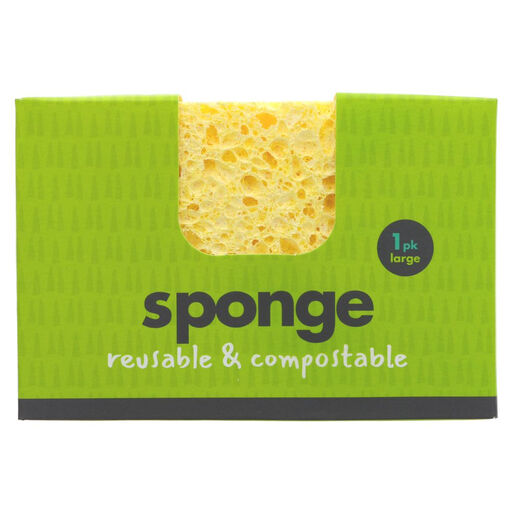
Why It Stands Out: This sponge is the ideal choice for anyone committed to a plastic-free and zero-waste lifestyle. Made entirely in the UK from renewable plant materials, it is designed to be both effective and environmentally responsible from creation to disposal.
Pros:
Who is it for? Environmentally-conscious individuals and families seeking a genuinely sustainable and effective natural sponge for dishes that aligns with a zero-waste and vegan lifestyle.
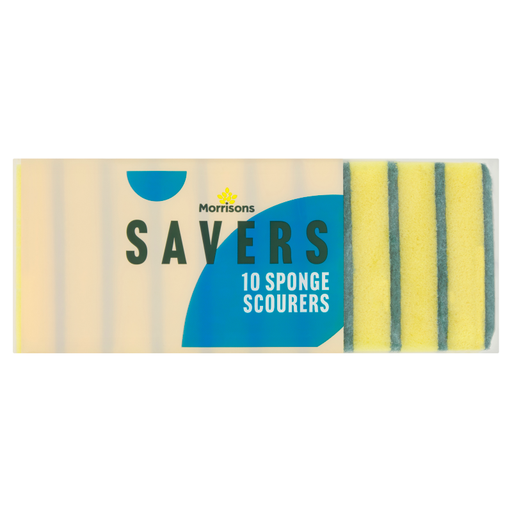
Why It Stands Out: This pack offers a straightforward, affordable solution for everyday cleaning tasks. It provides a large quantity of conventional sponge scourers at a very low price point, making it a practical choice for households focused on value.
Pros:
Who is it for? Budget-conscious shoppers who need a large supply of basic, multi-purpose sponge scourers for general household cleaning and are prioritising cost-effectiveness. Note that these are not a plastic-free or compostable option.
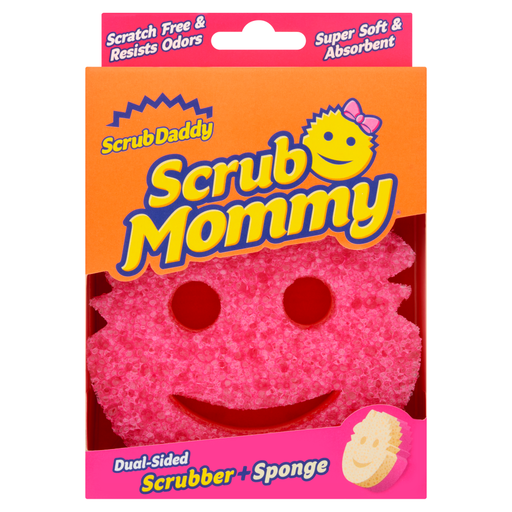
Why It Stands Out: The Scrub Mommy is known for its innovative design that adapts to different cleaning challenges. Its texture-changing material and dual-sided functionality make it a highly versatile and popular tool in modern kitchens.
Pros:
Who is it for? Those who appreciate innovative cleaning gadgets and want a single, durable sponge that can handle a wide variety of textures and surfaces without scratching.
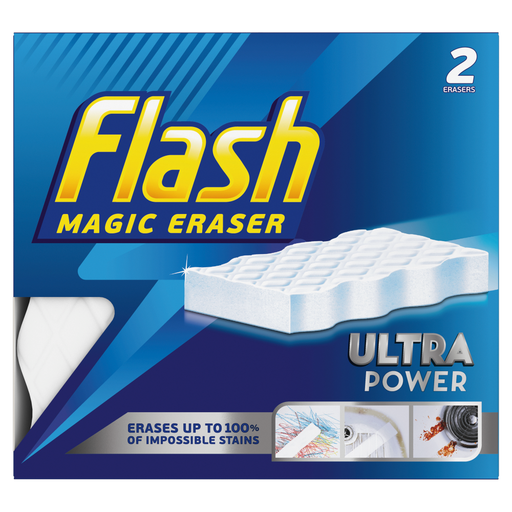
Why It Stands Out: This is not a typical washing-up sponge but a specialist stain remover. The Magic Eraser uses water-activated micro-scrubbers to lift away tough marks that other cleaners leave behind, such as crayon on walls or burnt-on grease on hobs.
Pros:
Who is it for? Households looking for a powerful solution to remove difficult stains and scuff marks from a variety of hard surfaces around the home, beyond just the kitchen sink.
If our highlighted selections don't quite fit what you're looking for, there is a wide world of cleaning tools available. From different materials to specialised shapes, you can find the perfect match for any cleaning task.
? Explore our full range of all-purpose sponges to find more choices.
1. Are compostable sponges as effective as regular plastic sponges? Yes, a well-made plant based sponge is designed to be just as effective. They are highly absorbent and often feature a durable, non-scratch scouring side made from materials like loofah or flax, allowing them to handle everyday washing-up with ease.
2. How do you correctly dispose of a biodegradable sponge? Always check the packaging. If it states "home compostable," you can cut the used sponge into small pieces and add it to your home compost bin. If it is only "biodegradable" or "industrially compostable," it should be placed in your council food or garden waste bin, provided they accept such items. It should not be placed in standard recycling.
3. How can I make my kitchen sponge last longer? To prolong the life of any sponge, rinse it thoroughly after each use to remove food particles. Squeeze out all excess water and leave it to air-dry in a well-ventilated spot, such as a sponge holder. For a deeper clean, you can place a reusable kitchen sponge on the top rack of your dishwasher or in a 30°C washing machine cycle.