
24/7 Customer Support

Free returns

Same-day & Next-day Delivery

Quality Guaranteed

Unlock Your Welcome Offers: FREE Delivery | Up to 80% OFF | Free 30-day JoyPlus trial
Download the APP
Planning a party, picnic or family BBQ is all about creating happy memories. The less enjoyable part? The mountain of washing up or the guilt of using single-use plastics. Finding disposable plates that are sturdy enough for a proper meal yet kind to the environment can feel like a challenge. Many so-called eco friendly disposable plates can be flimsy, leaky and not quite as green as they claim.
As the Joybuy Product Recommendation Officer, my role is to help you find practical solutions that work. This guide cuts through the clutter, focusing on durable and convenient compostable plates that won't let you down. We'll look at what makes a good disposable plate and share some of our top recommendations for your next gathering.
Before you add anything to your basket, a few key considerations will ensure you get the right plates for your event.
The material of your plate determines its strength, appearance and environmental credentials.
heavy duty paper plates are designed to be moisture-resistant, making them reliable plates for BBQ sauces and dressings.These terms are often used interchangeably, but they have different meanings. Biodegradable means a product can be broken down by natural processes over time. Compostable, however, is a more specific term. For a product to be certified compostable in the UK, it must break down into non-toxic, natural elements in a commercial composting facility within a specific timeframe. For most biodegradable party plates, proper disposal in a food waste or garden waste bin that goes to an industrial composter is the most effective way to ensure they break down as intended.
Consider what you'll be serving. A 7-inch plate is ideal for appetisers, cake or smaller portions for children. For a main meal, especially at a BBQ where guests will be loading up on salads, burgers and sides, a larger 9-inch plate is a much better fit. Check for descriptions that mention leak-resistance or suitability for hot and greasy foods to avoid any mealtime mishaps.
Here are a few standout options that balance performance, value and environmental considerations.

Why It Stands Out: These plates are crafted from renewable bamboo fibre, offering a sustainable alternative to traditional disposables. They are designed to be both practical and eco-conscious, with a leak-resistant construction that holds up well against sauces and dressings. Being microwave-safe is an added convenience for reheating leftovers.
Pros:
Who is it for? Hosts planning larger gatherings, children's parties or anyone needing a reliable supply of smaller plates for desserts, appetisers or side dishes. A great choice for those who prefer the natural look and feel of bamboo plates.
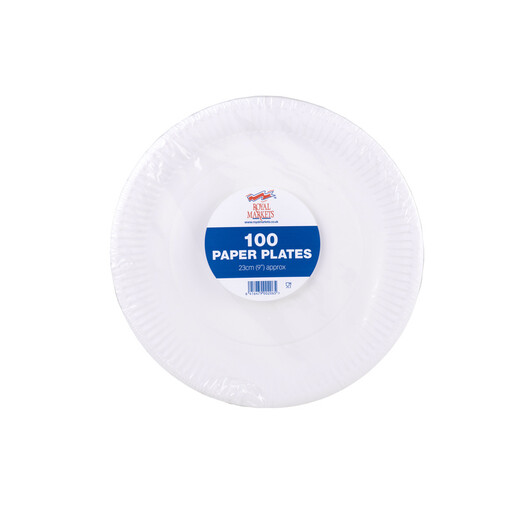
Why It Stands Out: These are a prime example of heavy duty paper plates done right. Made from a weighty 220gsm pure virgin fibreboard with a plastic coating, they are engineered for strength and rigidity. They resist moisture and oil, preventing the dreaded sag that plagues lesser plates, making them perfect for substantial meals.
Pros:
Who is it for? Anyone hosting a BBQ, buffet or event with hearty, saucy food. If your top priority is preventing leaks and ensuring your plates can handle a full meal without bending, this is an excellent choice.

Why It Stands Out: Made from 100% biodegradable sugar cane pulp, these plates are a fantastic eco-friendly option. The natural beige colour and texture provide a rustic, stylish look that elevates your food presentation. Despite their elegant appearance, they are sturdy, grease-resistant and perfectly capable of handling a variety of foods.
Pros:
Who is it for? Those hosting smaller events, picnics or parties who want a plate that is both functional and visually appealing. A top pick for anyone specifically looking for sugarcane plates with a premium feel.
If these specific recommendations aren't quite what you need, or if you're searching for different sizes, shapes or matching cutlery, there are many other choices available.
? Explore our full range of Picnic Tableware to find the perfect fit for your event.
Yes, when disposed of correctly. Compostable plates are made from renewable resources like bamboo, sugarcane or cornstarch. Unlike plastic, which can persist for hundreds of years, these plates are designed to break down into organic matter in a commercial composting facility. This reduces landfill waste and returns nutrients to the soil.
Absolutely. High-quality sugarcane plates and bamboo plates are specifically designed to be heat-resistant and sturdy. They can comfortably handle hot foods like curries, pasta or grilled items from a BBQ without losing their shape or leaking, which is a common issue with thin, conventional paper plates.
"Biodegradable" is a general term for any material that can be broken down by microorganisms over time, but this process can take many years and sometimes leaves behind residue. "Compostable" is a more specific standard. It means the material will break down into natural, non-toxic elements in a controlled composting environment within a set period (usually 90-180 days), leaving behind nutrient-rich humus. For the best environmental outcome, look for compostable products and dispose of them in your local council's food or garden waste collection, if available.