
24/7 Customer Support

Free returns

Same-day & Next-day Delivery

Quality Guaranteed

Unlock Your Welcome Offers: FREE Delivery | Up to 80% OFF | Free 30-day JoyPlus trial
Download the APP
Separating food scraps, garden waste and dog waste can reduce reliance on general rubbish collections, but the wrong composting products can quickly become inconvenient. A small caddy may overflow, unsuitable liners can weaken when wet, and a large garden bin may be difficult to access or position.
The most common buying pitfalls are not always obvious:
The right choice depends on where you live, how much organic waste you produce and whether you use a council collection, home compost heap or communal facility.
For food waste storage, capacity should match how often you can empty the container.
A 4.5L compost caddy is a useful middle ground for many households. It can hold peelings, coffee grounds, tea bags and plate scrapings without taking up excessive worktop space. Check the actual dimensions as well as the litre capacity: a caddy measuring approximately 18cm x 25cm x 19cm may fit on a worktop or under a sink, while a deeper design could be less suitable for a narrow cupboard.
For outdoor composting, a 220L garden compost bin offers considerably more room for grass cuttings, leaves, plant trimmings and suitable kitchen scraps. Allow space around the bin for access, ventilation and removal of finished compost.
A smooth, non-porous plastic surface is generally straightforward to wipe clean, which matters when collecting moist food scraps. Recycled plastic compost bins can also appeal to households seeking products that include recycled material, but durability, lid security and access design remain important.
Look for:
Avoid assuming that a decorative finish indicates better performance. Practical handling features usually make a greater difference to everyday use.
Compostable food waste liners can reduce residue inside a caddy, but “compostable” does not automatically mean suitable for every home compost heap. Corn starch compost bags may require particular moisture, temperature and microbial conditions to break down.
Before buying, check:
For dog waste bags, standards such as EN 13432 and ASTM D6400 relate to compostability requirements, but local facilities may still have their own rules. Do not flush these bags down the toilet, and do not place dog waste into compost intended for edible plants unless an appropriate system specifically permits it.
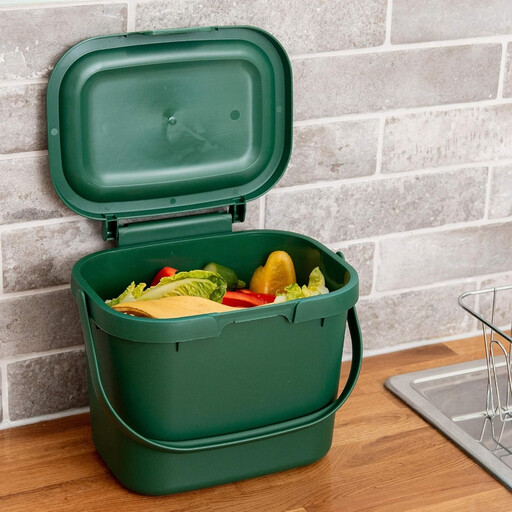
Why This Fits Their Persona: A practical entry point for flats, smaller kitchens and households beginning to separate food scraps for a council collection or home composting routine.
Its stated 4.5L capacity and compact 18cm x 25cm x 19cm dimensions make the size easier to judge before purchase.
Durable plastic construction, integrated carry handle and wipe-clean finish.
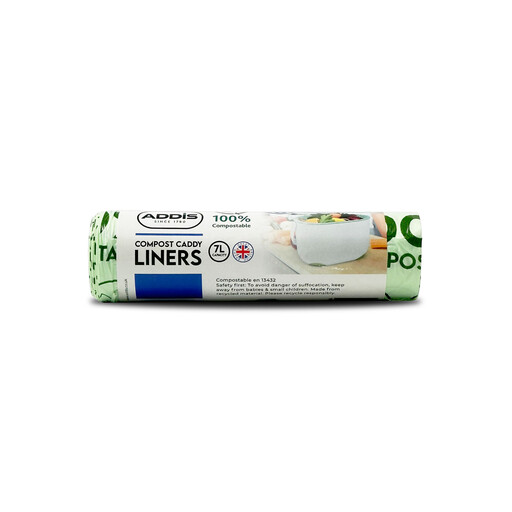
Why This Fits Their Persona: Suitable for shoppers who want a neater kitchen food waste routine and prefer a liner designed around a smaller caddy.
The listed 18cm x 24.5cm x 17.5cm size is intended to fit 4L kitchen caddies, helping reduce problems caused by oversized liners.
Corn starch material and 20 liners per roll; store in a cool, dry place.
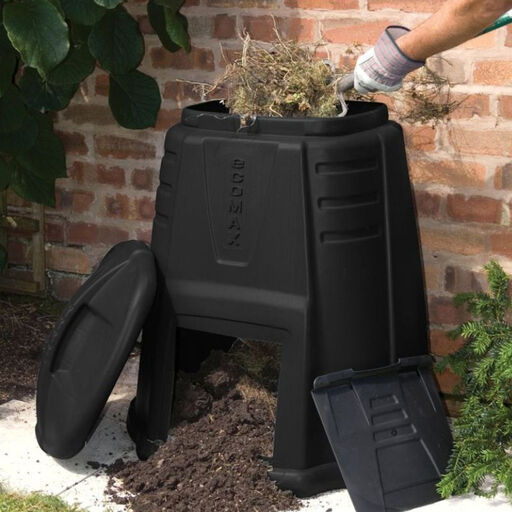
Why This Fits Their Persona: A larger outdoor option for gardeners managing regular quantities of leaves, grass cuttings and suitable organic kitchen waste.
The 220L volume is clearly stated, while the locking lid and lower access panel address pest protection and removal convenience.
Made from recycled plastic, with a locking lid and bottom access panel.
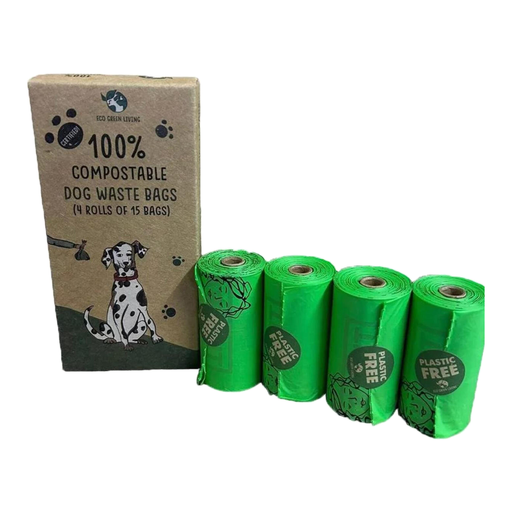
Why This Fits Their Persona: Designed for regular dog walks, with four pocket-sized rolls and 60 bags in total for convenient carrying and disposal.
The product information lists a 23cm x 33cm size, water resistance, leak resistance and compostability standards; disposal rules still need checking locally.
Plant-based materials, tieable design and certification references including EN 13432 and ASTM D6400.
We have compiled a complete, real-time list of products that fully satisfy these strict selection criteria and UK safety regulations.
The ongoing cost depends mainly on liner usage, collection frequency and whether you maintain a home compost bin. A reusable plastic caddy can be used without liners, although liners may reduce cleaning time. Outdoor compost bins generally have no regular running cost beyond occasional maintenance and the materials added.
Lifespan varies with handling, cleaning products and exposure to heat. A durable plastic caddy can support regular household use when emptied frequently and wiped with mild detergent. Avoid harsh abrasives and check the handle, lid and base periodically for damage.
Not automatically. Even when a product lists recognised compostability standards, dog waste may be unsuitable for compost used around edible plants, and many councils or composting facilities do not accept it. Follow the bag instructions and check local UK disposal guidance before adding it to any compost system.