
24/7 Customer Support

Free returns

Same-day & Next-day Delivery

Quality Guaranteed

Unlock Your Welcome Offers: FREE Delivery | Up to 80% OFF | Free 30-day JoyPlus trial
Download the APP
Choosing a concealer is rarely as simple as picking the lightest shade on the shelf. The right formula depends on whether you want to soften dark circles, cover blemishes, brighten the under-eye area or create a polished base that lasts through a long day in the UK.
Marketing language can also make comparison difficult. A “serum” texture may still offer limited coverage, while a “full-coverage concealer” can look heavy if applied over dry skin. Use the checks below to avoid wasting money and narrow down the most suitable option.
A high-pigment formula may cover redness and discolouration effectively, but it can emphasise dry patches or fine lines if too much is applied. Conversely, a lightweight liquid concealer may look natural but require several layers over prominent blemishes.
Think about the finish as well as coverage:
Ingredients such as caffeine, niacinamide, glycerin, hyaluronic acid and peptides may appear in concealer formulas, but they do not replace a dedicated skincare routine. Their presence should be viewed as a formulation feature rather than a promise to remove dark circles, puffiness or wrinkles.
If you have sensitive skin, check the full ingredient list on the packaging. Product formulas can change, and a patch test is sensible before applying a new product close to the eyes.
Names such as “Vanilla”, “Caramel” or “Cocoa” are not consistent between brands. Undertone matters just as much as depth:
For an under-eye concealer, a shade close to your skin tone usually looks more natural. A slightly lighter shade can brighten, while a peach or orange corrector may help visually balance deeper blue or purple shadows before applying a skin-matching concealer.
A liquid concealer is versatile and easy to blend across the under-eye area or face. Cream and stick formulas can provide more concentrated coverage for blemishes, redness and pigmentation.
Look for wording that explains whether coverage is sheer, medium, full or buildable. “Buildable” generally means you can apply thin layers rather than committing to maximum coverage immediately. This is helpful for changing between a light weekday look and more polished occasion make-up.
Long-lasting concealer descriptions often state a wear period such as 12 or 24 hours. These are product-specific claims, not a guarantee for every wearer. Skin type, humidity, rubbing, skincare beneath the make-up and setting products can all affect wear.
For demanding days, check for features such as transfer resistance, water resistance, humidity resistance or a crease-resistant formula. Even then, applying less product and setting only where necessary can help prevent gathering in fine lines.
A hydrating concealer may suit dry or mature skin, while a matte formula can be more practical for oily skin and blemishes. Ingredients such as glycerin, sodium hyaluronate and squalane are commonly used to support a comfortable feel, but individual tolerance varies.
Applicators also affect convenience. A doe-foot wand is useful for controlled placement, a cushion tip is convenient for quick touch-ups, and a concealer stick allows precise application to small areas. Built-in sponge tips should be kept clean and used as directed to reduce product build-up.
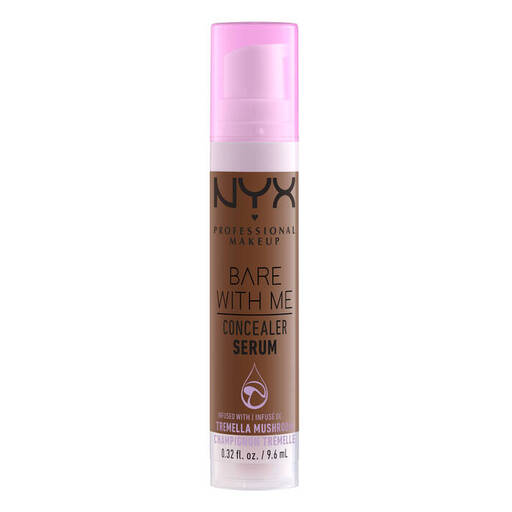
Why This Fits Their Persona: A practical starting point for shoppers wanting one lightweight formula for under-eye concealing and everyday complexion work.
Its medium, buildable coverage helps avoid the heavy appearance associated with applying a full layer everywhere.
Contains glycerin, matcha and niacinamide; the listing describes up to 12 hours of hydration and a natural matte finish.
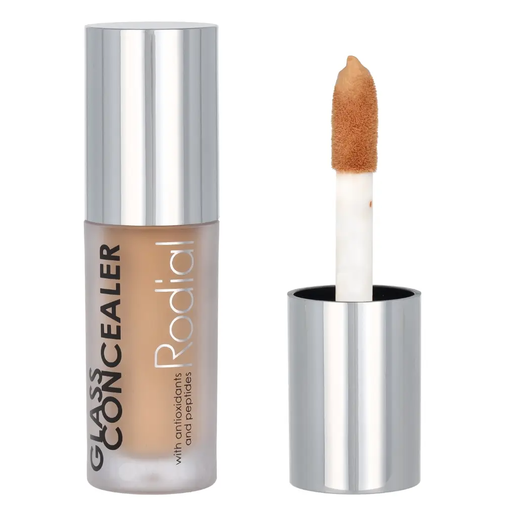
Why This Fits Their Persona: Suits shoppers who prefer a creamy, radiant finish and want a premium-feeling product for dark circles and visible imperfections.
The creamy texture is designed for seamless blending, helping avoid a cakey look when applied in a thin layer.
The listing specifies full coverage, a luminous finish and ingredients including glycerin, caffeine and palmitoyl hexapeptide-12.
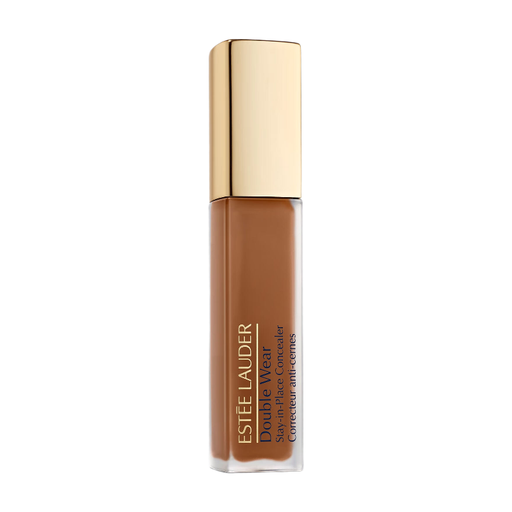
Why This Fits Their Persona: A considered option for long working days, events or humid conditions where dependable coverage and a deeper shade are priorities.
The product listing identifies medium, buildable coverage with resistance to water, perspiration and humidity, rather than relying only on a generic long-wear label.
Matte finish, 12ml size and sodium hyaluronate and caffeine among the listed ingredients.
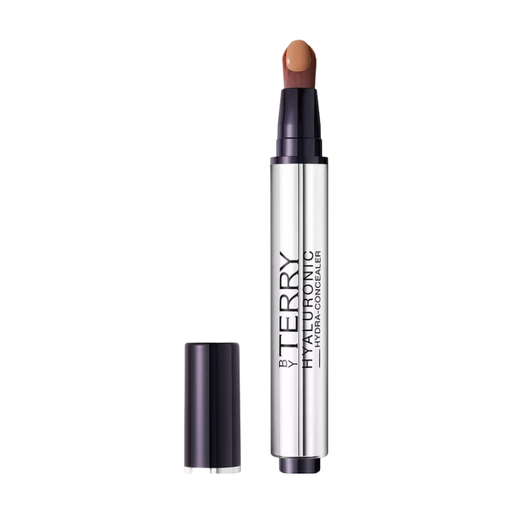
Why This Fits Their Persona: Designed for shoppers prioritising a comfortable, non-drying feel and a soft lumi-matte appearance around the eyes.
A buildable formula makes it easier to use minimal product over fine lines instead of applying a thick layer.
The formula includes sodium hyaluronate and panthenol; the listing describes a long-lasting, non-creasing lumi-matte finish.
We have compiled a complete, real-time list of products that fully satisfy these strict selection criteria and UK safety regulations.
Under-eye formulas are often more flexible and hydrating to reduce the appearance of dryness and fine lines. A concealer for blemishes may have denser pigment or a matte finish to help cover redness. Some liquid concealers can serve both purposes if applied in different amounts.
Cosmetic shelf life varies by formula, packaging and storage. Check the period-after-opening symbol and packaging instructions, keep the product away from heat and direct sunlight, and replace it if the smell, colour or texture changes. Do not share eye-area make-up.
For general concealing, choose a shade close to your foundation and skin tone. A slightly lighter option can brighten the under-eye area, while a deeper or more peach-toned corrector may be useful beneath a skin-matching shade for pronounced discolouration. Always compare undertone as well as depth.