
24/7 Customer Support

Free returns

Same-day & Next-day Delivery

Quality Guaranteed

Unlock Your Welcome Offers: FREE Delivery | Up to 80% OFF | Free 30-day JoyPlus trial
Download the APP
Finding the right concealer can be surprisingly difficult. A product may look smooth in a short online video yet crease under the eyes, emphasise dry patches or disappear from blemishes within a few hours. Shade names can also be inconsistent between brands, while terms such as “full coverage”, “hydrating” and “long-lasting” do not always describe how a formula will perform on your skin.
Before buying, look beyond the front of the packaging. Check the formula, finish, applicator and shade information to avoid paying for features that do not match your routine.
A highly pigmented full-coverage concealer can cover redness and marks effectively, but a dry or thick texture may look heavy around the eyes. Conversely, a sheer liquid concealer may offer a natural finish but require several layers over blemishes.
For everyday use, medium, buildable coverage is often more adaptable. It allows a light layer under the eyes and additional product only where required.
Ingredients such as hyaluronic acid, glycerine, squalane and vitamin-derived ingredients can contribute to a comfortable cosmetic feel. However, they do not turn concealer into a skincare treatment. According to a brand’s own research, a product may show changes in the appearance of hydration or fine lines under specific conditions, but individual results vary.
Consider these ingredients as useful formulation details rather than guaranteed anti-ageing outcomes. If your skin is sensitive, always check the current packaging and consider a patch test.
A shade can be light or dark enough but still appear noticeably orange, pink or grey if the undertone is unsuitable. Neutral shades are a practical starting point, while yellow, golden, pink or olive undertones may better match specific complexions.
The applicator also affects precision. A concealer stick is convenient for targeted blemishes, while a liquid concealer with a soft applicator can be easier to spread across the under-eye area. Built-in sponge tips are useful for travel, but should be kept clean and replaced if the surface becomes damaged.
For dark circles, look for a formula that blends thinly rather than simply choosing the highest coverage. A shade slightly brighter than your foundation may lift the area, but one that is too pale can make circles look grey.
Those searching for concealer for dry skin may prefer formulas containing humectants such as glycerine or hyaluronic acid, alongside a creamy texture. Apply moisturiser first and allow it to settle before concealing.
For blemishes, a face concealer with a more stable, medium-to-full coverage formula may stay in place more effectively. Avoid applying makeup to broken or irritated skin, and discontinue use if redness, itching or discomfort develops.
“Long-lasting” does not mean identical wear on every person. Oil production, humidity, rubbing and facial movement all affect longevity. A water-, sweat- or humidity-resistant formula may be useful for commuting, warm indoor spaces or long days, but setting powder can still improve wear in crease-prone areas.
Check the product size too. Compact 1.7g sticks and 6–6.8ml liquid formats are convenient for handbags, holidays and desk-drawer touch-ups, but frequent full-face use may require replacement sooner.
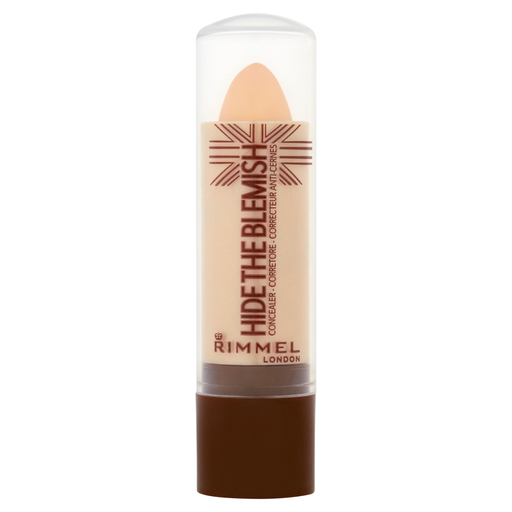
Why This Fits Their Persona: The twist-up stick is straightforward for beginners and convenient for quick applications before work, university or a daily commute.
Its direct application helps avoid wasting liquid product, while the 002 Sand shade and light beige description make undertone checking easier before purchase.
4.5g stick format; designed for precise application; listed with a dewy finish.
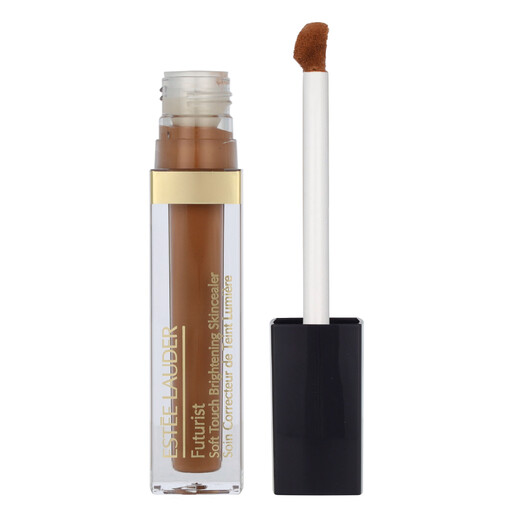
Why This Fits Their Persona: A suitable option for shoppers wanting a radiant under-eye concealer with a soft-touch applicator for controlled, blended application.
The product specification clearly identifies medium-to-full coverage, a soft radiant finish and resistance to water, sweat and humidity, rather than relying only on vague wear wording.
6ml size; includes sodium hyaluronate, glycerine and squalane; soft radiant finish.
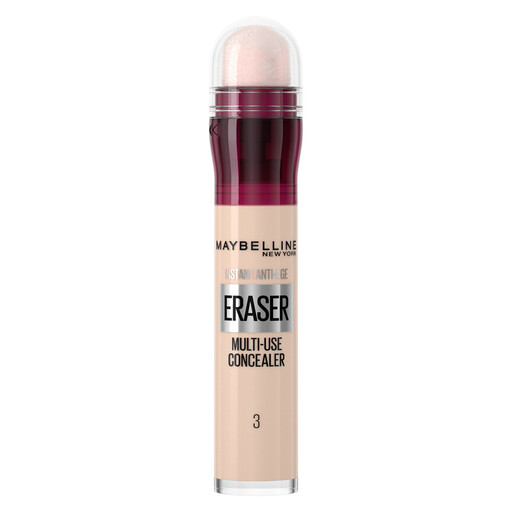
Why This Fits Their Persona: The compact click format and built-in sponge tip suit commuters and travellers who want quick under-eye and face touch-ups without carrying a separate brush.
The product details specify up to 12 hours of moisturising wear and crease-resistant coverage, giving shoppers clearer expectations than an unsupported “all-day” label.
6.8ml portable format; vegan and non-comedogenic formula as listed; built-in sponge applicator.
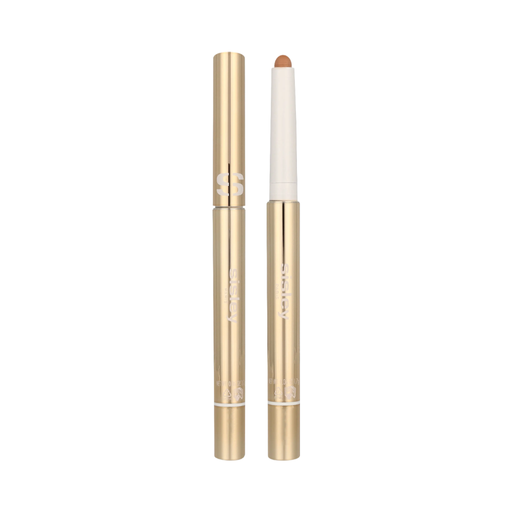
Why This Fits Their Persona: A targeted face concealer for shoppers who regularly cover blemishes, dark spots or uneven tone and prefer a portable dual-ended design.
The precision tip supports small-area application, helping avoid the thick, mask-like result that can occur when full coverage is spread over the entire face.
Creamy stick texture; precision applicator and sponge blender; shade #3 listed with a radiant matte finish.
We have compiled a complete, real-time list of products that fully satisfy these strict selection criteria and UK safety regulations.
Neither format suits every use. Liquid concealer is generally easier to spread across the under-eye area, while a concealer stick offers controlled application for spots and redness. Your preferred finish, skin type and portability matter more than the format alone.
There is no universal lifespan because storage, use and packaging design differ. Keep concealer closed, away from heat and direct sunlight, and follow the period-after-opening symbol or packaging guidance. Discard it if the smell, colour or texture changes, or if irritation occurs.
For dark circles, a concealer close to your foundation or only slightly lighter can brighten without looking obvious. For blemishes, matching your foundation shade is usually more discreet. Always consider undertone as well as depth, and check the shade in natural light where possible.