
24/7 Customer Support

Free returns

Same-day & Next-day Delivery

Quality Guaranteed

Unlock Your Welcome Offers: FREE Delivery | Up to 80% OFF | Free 30-day JoyPlus trial
Download the APP
Conditioner can make hair easier to manage and clothes more pleasant to wear, but the word covers two very different product types. Hair conditioner is designed to smooth and detangle strands, while fabric conditioner softens laundry and adds fragrance during a wash. Choosing the wrong formula, dosage or format can leave you spending more without getting the result you want.
This guide explains the practical points to check before buying, from ingredients and hair type to concentration, fragrance and safe use in a UK household.
A rich conditioner for dry hair may feel helpful on brittle or textured strands, but can leave fine hair limp or greasy if over-applied. Conversely, a lightweight conditioner for fine hair may not provide enough slip for thick, curly or coily hair.
Match the texture to your needs:
A long-lasting fragrance does not necessarily mean better conditioning. Hair and fabric products can smell appealing while offering little improvement in softness or manageability. Fragrance ingredients may also be unsuitable for people who prefer low-fragrance products or have known sensitivities.
For laundry, compare the dose per wash, fragrance profile and bottle size. A concentrated formula may use less product per cycle, but only if you follow the label instructions.
These labels describe particular formulation or sourcing characteristics. They do not automatically tell you whether a product suits your hair texture, scalp preferences or washing routine. Always check the ingredient list and directions.
A sulphate-free conditioner, for example, can be a sensible choice for shoppers wishing to avoid sulphated cleansing ingredients, but the conditioner may still contain fragrance, silicones or other ingredients you want to avoid.
Most hair conditioner should be applied from the mid-lengths to the ends, rather than directly onto the scalp. This helps target dry, tangled sections while reducing the chance of weighing down the roots.
For curly hair, look for a formula that provides enough slip to separate knots without excessive brushing. For fine hair, a smaller amount of a lightweight formula may be more practical. If you want a scalp soothing conditioner, read the full ingredients and discontinue use if irritation develops.
Look for ingredients that match your priority:
For blonde, bleached or grey hair, a conditioner can support softness and manageability. However, a regular conditioner should not automatically be treated as a purple toning product unless the label specifically states this.
A fabric conditioner should go into the fabric softener compartment, not directly onto clothes. Cationic surfactants help provide a softer feel, while perfume creates the scent. Follow the stated dose, particularly with super-concentrated products.
Do not use fabric conditioner as a replacement for detergent. It is also worth checking whether the product is suitable for the fabrics in your household and storing it securely away from children.
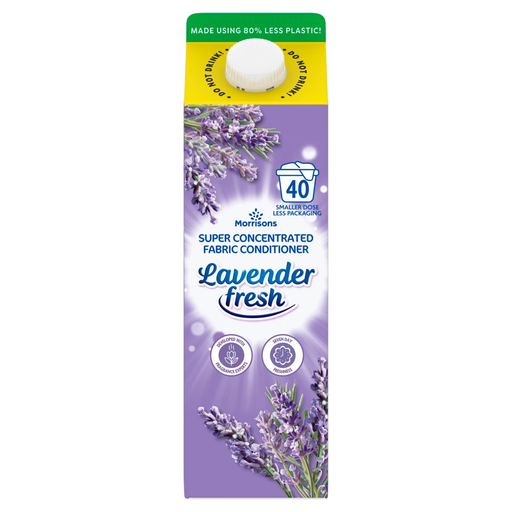
Why This Fits Their Persona: A practical option for UK households wanting soft laundry and a calming lavender scent without handling a large bottle.
Its super-concentrated format makes the recommended dose particularly important, helping prevent unnecessary overuse.
Plant-based softness; designed to reduce wrinkling and make ironing easier; 1L format.
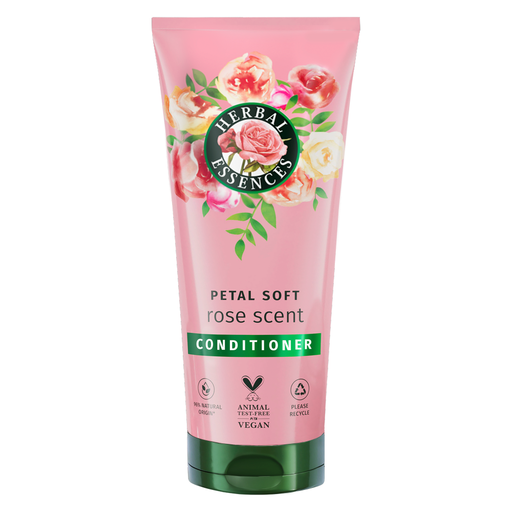
Why This Fits Their Persona: Suits shoppers who value a floral fragrance and flexible use, including a rinse-off or leave-in application on dry-feeling hair.
The directions specify mid-length-to-end application, helping users avoid applying a richer formula unnecessarily at the roots.
250ml bottle; rose fragrance; listed as vegan and cruelty-free; can be used as rinse-off or leave-in conditioner.
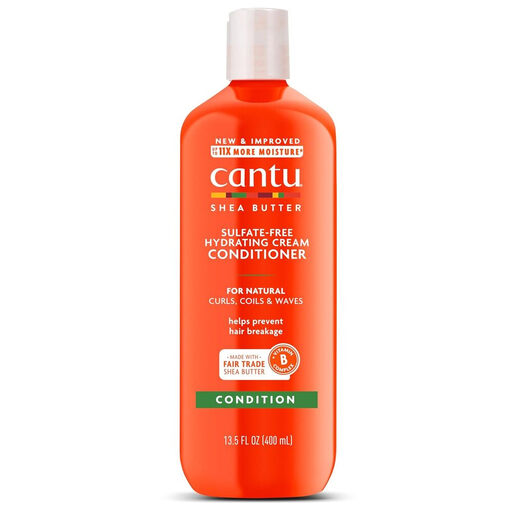
Why This Fits Their Persona: A larger 400ml option for shoppers with dry, wavy, curly, coily or coloured hair who use conditioner generously.
The label clearly identifies a sulfate-free formula and application from ends towards the root, making its intended use easier to assess.
Contains shea butter; free from sulfates, parabens, silicones, phthalates, paraffin and mineral oil according to the supplied product information.
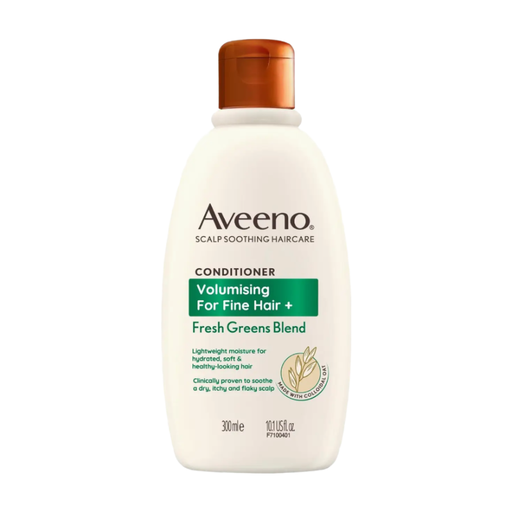
Why This Fits Their Persona: Designed for shoppers with fine or thin hair who want lightweight conditioning and a formula labelled pH-balanced and sulfate-free.
Its stated lightweight positioning addresses the common problem of using a rich conditioner on fine hair, while the label gives a three-to-five-minute timing guide.
300ml size; colloidal oat, cucumber water, rosemary oil and peppermint extract listed; no sulfates, parabens or dyes according to the supplied information.
We have compiled a complete, real-time list of products that fully satisfy these strict selection criteria and UK safety regulations.
For hair, apply a suitable amount to wet mid-lengths and ends, leave it for the time shown on the label, then rinse thoroughly. A leave-in application should only be used when the product directions permit it. Keep hair conditioner away from the eyes and stop use if irritation occurs.
For laundry, add fabric conditioner to the washing machine drawer. Never pour it directly onto fabric, as this can cause uneven application or marks. Measure concentrated products carefully rather than estimating by eye. If you are trying a strongly scented fabric softener, wash a small number of items first to check that the fragrance suits your household.
Not necessarily. Hair texture, washing frequency and dryness all affect how often it is useful. Dry, curly or chemically treated hair may benefit from regular conditioning, while fine hair may need a smaller amount or less frequent use. Apply it where the hair feels dry or tangled and adjust based on the result.
The duration varies with the formula, dose, storage and drying method. Some products advertise long-lasting fragrance, but these statements should be read with any qualifications on the packaging. For example, the Comfort Creations formula lists 100 days of freshness and fragrance after storage and line drying. Treat this as the product’s stated condition rather than a universal expectation.
Some fabric conditioners are formulated to help reduce wrinkling and make ironing easier. This does not remove the need for correct washing, drying and garment care. Use the recommended amount and check clothing labels, particularly for performance fabrics, towels and specialist garments.