
24/7 Customer Support

Free returns

Same-day & Next-day Delivery

Quality Guaranteed

Unlock Your Welcome Offers: FREE Delivery | Up to 80% OFF | Free 30-day JoyPlus trial
Download the APP
Navigating the hair care aisle can feel overwhelming. With countless bottles promising miraculous transformations, it is easy to end up with a bathroom cabinet full of products that fail to deliver. If you are tired of spending money on a conditioner for dry and damaged hair only to be disappointed by the results, you are not alone.
As the Joybuy Product Recommendation Officer, my role is to help you see past the marketing jargon. Many shoppers fall into common traps that lead to wasted money and continued hair frustration. Before you make your next purchase, let’s look at the most frequent pitfalls.
To find a truly effective conditioner, you need to look beyond the front-of-bottle claims. Here are the core parameters to check to ensure you are choosing a product that genuinely suits your hair's needs.
The most important step is identifying your hair's specific requirements.
Understanding a few key ingredients can transform how you shop for hair care. Conditioners generally work by providing either moisture, strength or a combination of both.
Based on these practical criteria, we have identified several conditioners that stand out for their formulation and suitability for specific UK user needs.
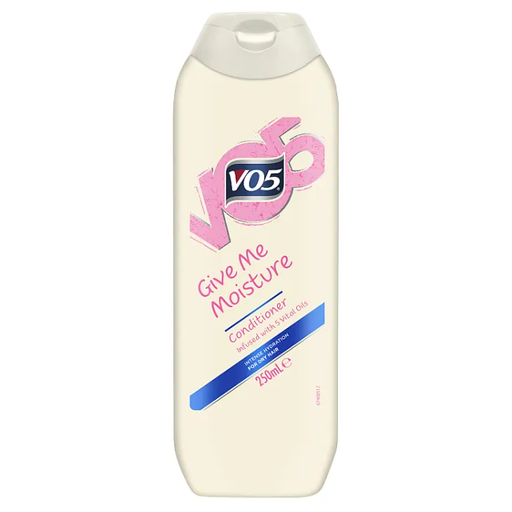
Why This Fits Their Persona: For students or anyone managing a tight budget, this conditioner offers reliable performance without a high price tag. It is a straightforward, effective choice for adding necessary moisture back into dry hair for daily care.
It avoids the "miracle repair" myth by focusing on a clear, achievable goal: providing intense hydration. Its claims are centred on nourishment rather than impossible fixes.
Formulated with a blend of five vital oils (Argan, Jojoba, Apricot, Avocado and Grapeseed) to deliver tangible softness and nourishment.
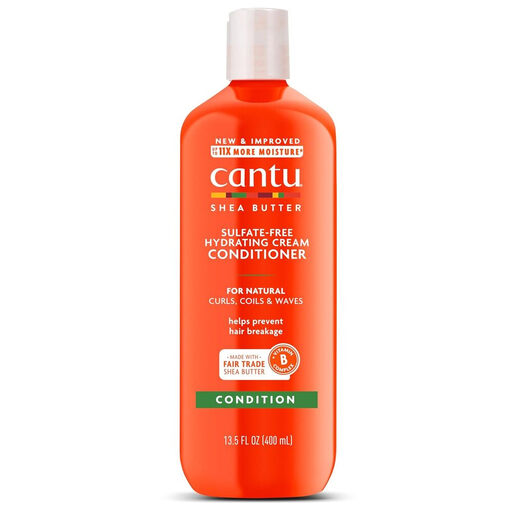
Why This Fits Their Persona: Ideal for those with naturally curly, coily, or wavy hair that is prone to dryness and frizz. This user needs a rich, **hydrating conditioner for dry hair** that moisturises without stripping the hair's natural oils.
It avoids the "one-size-fits-all" trap by being specifically formulated for textured hair. Its ingredient list is free from harsh additives like mineral oil, sulphates and parabens, which many with curly hair prefer to avoid.
The formula is built around pure shea butter, a highly effective emollient that helps hair retain its natural oils, reduces split ends and provides deep moisture.
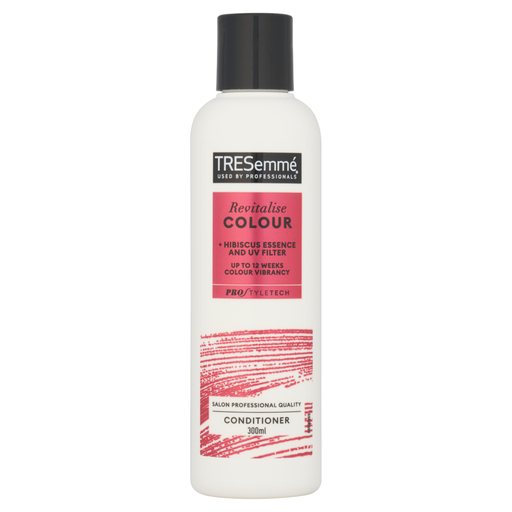
Why This Fits Their Persona: This user regularly colours their hair and may use heat styling tools, leading to dryness and a need for colour protection. They require a conditioner that both nourishes damaged strands and helps maintain colour vibrancy between salon visits.
Instead of making unrealistic "repair" claims, this product focuses on tangible benefits for coloured hair: extending vibrancy, boosting shine and improving manageability. It is a practical tool for maintenance, not a magic cure.
The formula is specifically designed to protect and enhance coloured hair. It contains ingredients like Arginine and Lysine HCl to help strengthen hair and it improves detangling to reduce breakage during combing.
We have compiled a complete, real-time list of products that fully satisfy these strict selection criteria and UK safety regulations.
For moderately dry or damaged hair, using a deep conditioner for damaged hair or an intensive mask once a week in place of your regular conditioner is usually sufficient. If your hair is severely damaged from bleaching or chemical treatments, you might benefit from using it twice a week for the first few weeks, then reducing to once a week for maintenance. Always follow the product's specific instructions for how long to leave it in.
No, a conditioner cannot permanently repair split ends. Split ends occur when the hair cuticle frays and splits apart. Conditioners, especially those with silicones or proteins, can temporarily smooth down the cuticle and glue the split pieces together, making them less noticeable and preventing the split from travelling further up the hair shaft. However, the only permanent solution for split ends is to have them cut off.
It depends on your hair type and needs. For those with very dry, thick or frizz-prone hair, a leave-in conditioner can be a valuable extra step. It provides a continuous layer of moisture and protection throughout the day, helping with detangling and frizz control. For those with fine hair, a good rinse-out conditioner may be enough, as adding a leave-in product could weigh the hair down. It is a useful tool for targeted hydration where you need it most.