Dealing with hair that feels dry, brittle or prone to breakage can be a frustrating experience. Whether the cause is frequent heat styling, colouring or simply the wear and tear of daily life, finding the right conditioner for damaged hair is a crucial step towards restoring its health and appearance. The market is filled with options, each promising remarkable results, which can make choosing the right product feel overwhelming.
This guide is designed to help you navigate the choices. We will break down what to look for in a repairing conditioner and present a selection of products that cater to different types of hair damage and preferences. Our goal is to provide clear, practical information to help you find a conditioner that leaves your hair feeling stronger, smoother and more manageable.
How to Choose a Conditioner for Damaged Hair
Before diving into specific products, understanding a few key factors can help you make a more informed decision.
1. Look for Key Repairing Ingredients
The technology behind haircare has advanced significantly. Modern conditioners often contain specific ingredient complexes designed to target damage at a structural level.
- Bond-Building Technology: Formulations with a bond repair conditioner focus on rebuilding the broken disulfide bonds within the hair shaft, which are often compromised by chemical treatments and heat. Ingredients like amino acids, peptides and proprietary complexes can help fortify the hair from the inside out.
- Proteins and Keratin: These are the building blocks of hair. A strengthening conditioner often includes hydrolysed proteins (like wheat or silk) that fill in gaps in the hair cuticle, temporarily smoothing the surface and reducing the appearance of split ends.
- Biotin and Ceramides: A biotin conditioner can support hair strength, while ceramides help to reinforce the hair's natural lipid barrier, improving moisture retention and elasticity.
2. Consider Silicone-Free Options
Silicones are common in conditioners because they coat the hair shaft, providing immediate smoothness, shine and frizz control. This can be very effective for taming unruly hair. However, some types of silicone can build up over time, potentially weighing down fine hair or preventing moisturising ingredients from penetrating the hair shaft. A silicone-free conditioner relies on natural oils, butters and plant-based ingredients to nourish and smooth the hair, offering a lighter alternative that may be preferable for some users.
3. Match the Formula to Your Damage Type
Not all damage is the same. The ideal conditioner will depend on your specific concerns.
- Conditioner for Coloured Hair: If your hair is damaged from dyeing, look for formulas that are colour-safe and offer UV protection to prevent fading. These often contain antioxidants and moisturising agents to counteract the drying effects of processing.
- Conditioner for Heat Damaged Hair: For damage caused by straighteners, curling tongs or blow-dryers, a conditioner rich in hydrating and strengthening ingredients is essential. These help to replenish lost moisture and improve resilience against future heat exposure.
- Conditioner for Split Ends: While no product can permanently fuse split ends, a good conditioner can temporarily seal the cuticle, making ends look smoother and preventing further splitting up the hair shaft.
Our Top Product Recommendations
Here are our recommendations for conditioners that address the challenges of damaged hair, selected for their formulations and intended benefits.
OGX Bond Pro Repair Conditioner 385ml
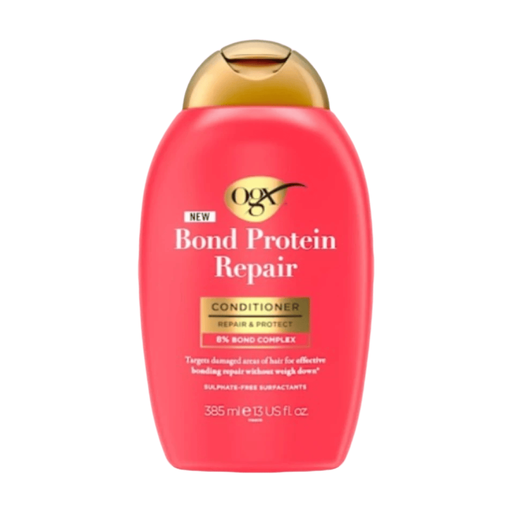
- Why It Stands Out: This conditioner is built around the OGX Bond Complex and Lipi Pro Shield Technology, a combination designed to provide targeted repair without weighing hair down. It focuses on supporting the hair's protein and lipid barrier for improved resilience.
- Pros:
- Formulated to target and repair damaged areas.
- Aims to provide double the protein and lipid protection.
- Helps prevent frizz and breakage with a blend of moisturisers.
- Lightweight formula suitable for daily use.
- Who is it for? Individuals with dry, over-processed or heat-damaged hair who need a daily bond repair conditioner that strengthens and protects without causing build-up.
Nuxe Hair Prodigieux Conditioner 200ml
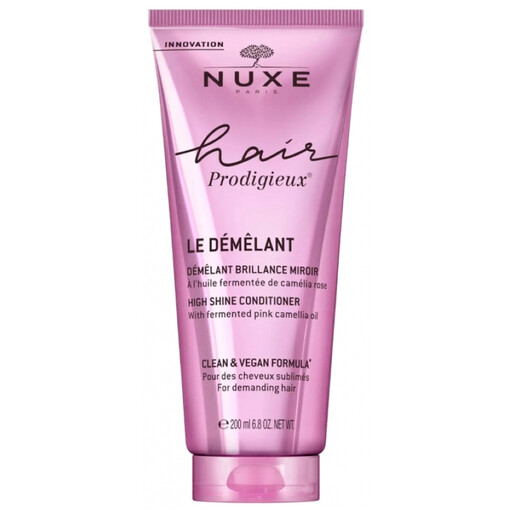
- Why It Stands Out: This is a silicone-free conditioner that offers a luxurious, sensorial experience. Its key ingredient is fermented pink Camellia oil, which has enhanced nourishing and repairing properties. It also features the iconic, sun-soaked fragrance of the brand's Huile Prodigieuse.
- Pros:
- Instantly detangles and intensely nourishes the hair fibre.
- Formulated with 95% natural-origin ingredients.
- Balm-like texture provides a rich feel without weighing hair down.
- Leaves hair looking shiny and feeling silky. According to instrumental testing conducted by the brand, an increase in hair shine of up to 40% was noted after 12 applications.
- Who is it for? Those who prefer products with a high percentage of natural-origin ingredients and want a silicone-free conditioner that provides deep nourishment, shine and a beautiful fragrance.
TRESemmé Conditioner Biotin Repair 680ml
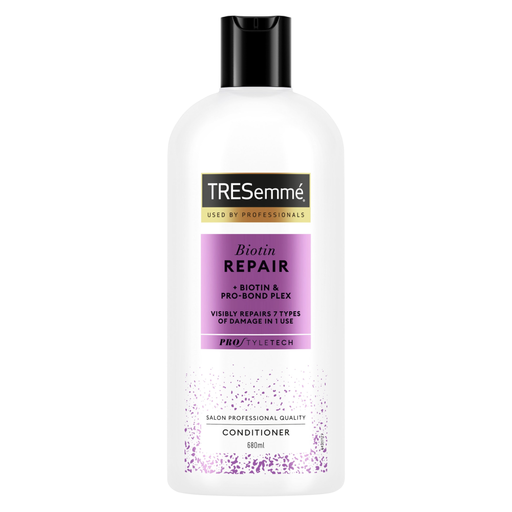
- Why It Stands Out: This conditioner is designed to be a comprehensive solution, formulated to visibly repair damage from seven common styling practices, including bleaching, colouring and heat. It combines a Pro-Bond Plex with Biotin to strengthen hair from within.
- Pros:
- The formula targets damage from blow-drying, brushing, straightening and more.
- Contains Biotin and a Pro-Bond Plex to restore broken bonds.
- Features PRO Style Technology with amino acids and ceramide for strength and manageability.
- PETA-approved, meaning it is not tested on animals.
- Who is it for? Anyone whose hair has undergone multiple types of damage and is looking for a powerful, salon-inspired biotin conditioner to restore strength and protect hair fibres.
Looking for More Options?
If you haven't found the perfect match for your hair needs here, or if you're interested in exploring a wider variety of treatments, there are many other products available.
Discover our full range of restorative formulas in the Moisture Repair Conditioner category to find the ideal solution for your hair.
Frequently Asked Questions
Q1: How often should I use a conditioner for damaged hair?
For most types of damaged hair, it is beneficial to use a repairing conditioner every time you wash your hair. These formulas are designed to replenish moisture and strengthen the hair with each use. If your hair is very fine and prone to being weighed down, you could alternate a repairing conditioner with a lighter, volumising one.
Q2: Can a conditioner actually repair split ends?
No product can permanently fuse a split end back together. Once the hair shaft has split, the only way to completely remove the damage is to cut it off. However, a good conditioner for split ends can significantly improve their appearance by smoothing the cuticle and temporarily binding the split fibres. This helps prevent the split from travelling further up the hair shaft and makes your hair look healthier overall.
Q3: What is the difference between a repairing conditioner and a regular one?
A regular conditioner primarily works to detangle hair and smooth the outer cuticle, making it feel softer and easier to manage. A repairing conditioner goes a step further. It is typically formulated with more potent ingredients like proteins, amino acids or bond-building molecules that are intended to penetrate the hair cortex and help fortify its internal structure, addressing damage rather than just masking it.


