
24/7 Customer Support

Free returns

Same-day & Next-day Delivery

Quality Guaranteed

Unlock Your Welcome Offers: FREE Delivery | Up to 80% OFF | Free 30-day JoyPlus trial
Download the APP
Dealing with damaged hair can be a frustrating cycle. You buy a promising new conditioner, hope for smooth, strong locks, only to find your hair feels weighed down, greasy or just as brittle as before. As a Joybuy Product Recommendation Officer, my role is to help you navigate the crowded shelves and understand what truly makes a conditioner for damaged hair effective, so you can invest in a product that delivers noticeable results.
Many of us have fallen into common shopping traps. Before you make your next purchase, let's look at a few pitfalls that often lead to disappointment and wasted money.
To choose wisely, it helps to understand the technology and ingredients behind the claims. Focusing on these core parameters will help you select a product that genuinely meets your hair's needs.
Not all repair is the same. Most conditioners work by smoothing the outer layer (the cuticle), which is great for detangling and adding shine. However, for hair damaged by colouring, heat or chemical treatments, you may need something more.
The ingredient list provides the best clues to a conditioner's function. Here are a few to watch for:
To make the choice simpler, we've matched some standout products to common hair profiles and concerns.
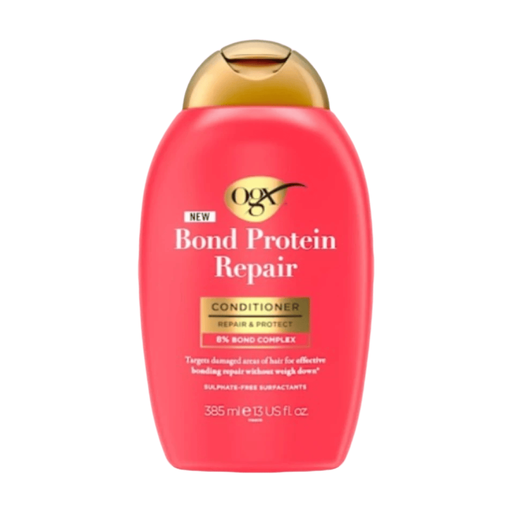
Why This Fits Their Persona: If your hair has been through frequent colouring, bleaching or heat styling, it needs more than just surface moisture. This conditioner is geared towards deeper structural support.
It sidesteps the "miracle ingredient" trap by using a comprehensive bond repair complex designed to work within the hair, rather than just coating the outside for a temporary fix.
Formulated with OGX Bond Complex and Lipi Pro Shield Technology to support the hair's protein and lipid barrier, improving resilience against frizz and breakage.
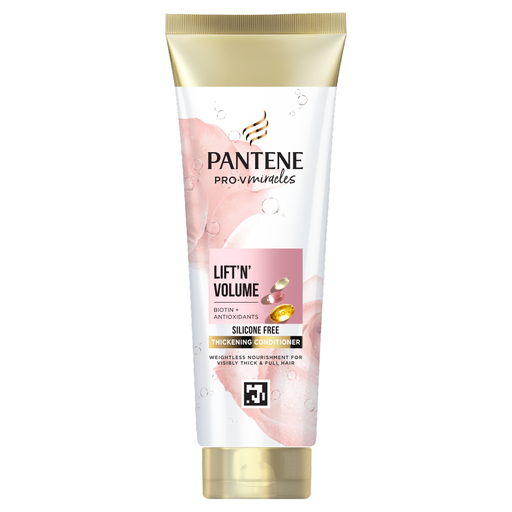
Why This Fits Their Persona: For those with fine or thinning hair, damage is a double-edged sword. You need repair, but heavy formulas can leave hair looking flat and lifeless. This product aims to strengthen and add volume simultaneously.
This is a silicone free conditioner, directly countering the "heavy coating" pitfall. It provides nourishment without the risk of weighing down fine strands, helping to maintain natural lift and body.
The formula is enriched with biotin and a Pro-V nutrient blend to help strengthen hair against styling damage, making it a great volumising conditioner for damaged hair.
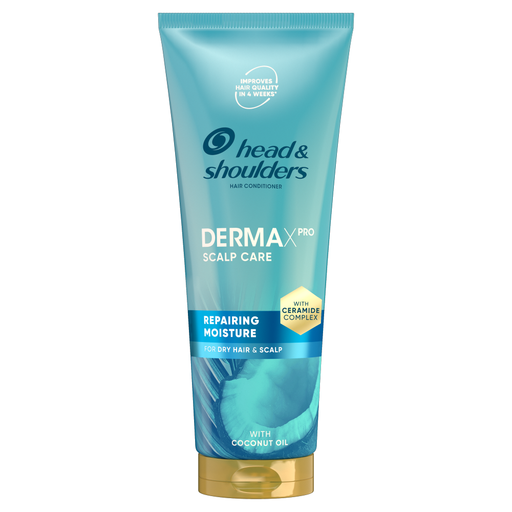
Why This Fits Their Persona: If your hair concerns include not just damage and dryness but also an uncomfortable, flaky or itchy scalp, you need a dual-action product that cares for both skin and strands.
This conditioner avoids the "ends-only" focus by incorporating scalp-caring ingredients. It's designed to be massaged from roots to tips, providing holistic care for a healthy hair ecosystem.
This is a dermatologically tested formula containing piroctone olamine, an active ingredient that targets the root cause of dryness and flakes, alongside nourishing coconut oil.
We have compiled a complete, real-time list of products that fully satisfy these strict selection criteria and UK safety regulations.
This depends on the intensity of the product and your hair type. Lightweight repairing conditioners can typically be used after every wash. For more intensive treatments, like a deep conditioner or mask, using it once or twice a week in place of your regular conditioner is often sufficient to provide extra nourishment without causing build-up.
While no product can magically fuse split ends back together, a good strengthening conditioner can significantly improve the situation. It works by fortifying the hair shaft, increasing its elasticity and smoothing the cuticle. This makes hair more resilient and helps to prevent futurehair breakage from occurring, which is key to growing longer, healthier hair.
Not necessarily. Silicones are effective at reducing frizz, adding shine and providing thermal protection. However, for those with very fine hair or who are prone to product build-up, a silicone free conditioner can be a lighter alternative that provides moisture and detangling without the weight. The right choice depends entirely on your hair's texture, density and individual needs.