
24/7 Customer Support

Free returns

Same-day & Next-day Delivery

Quality Guaranteed

Unlock Your Welcome Offers: FREE Delivery | Up to 80% OFF | Free 30-day JoyPlus trial
Download the APP
Dealing with hair that feels dry, brittle or frizzy can be a daily frustration. Whether the damage comes from heat styling, colouring or just the British weather, the search for an effective conditioner for damaged hair often feels endless. The shelves are packed with promises of miraculous transformations, but many products fail to deliver lasting results.
As a Joybuy Product Recommendation Officer, my role is to help you navigate the market and make informed choices. Many of us have been caught out by common shopping pitfalls that lead to wasted money and continued hair woes. Before you buy another bottle, let's look at the most frequent traps to avoid.
To find a product that genuinely works, you need to look past the marketing claims and focus on the core components of the formula. Here are the key parameters to check before making a purchase.
Conditioners for damaged hair typically work in one of three main ways. Understanding which one you need is crucial for seeing real results.
Once you know the type of repair you need, consider your hair's specific characteristics.
Based on these practical criteria, we've identified several conditioners that are well-suited to specific needs and user profiles. Instead of making a blind choice, find the one that truly matches your lifestyle.
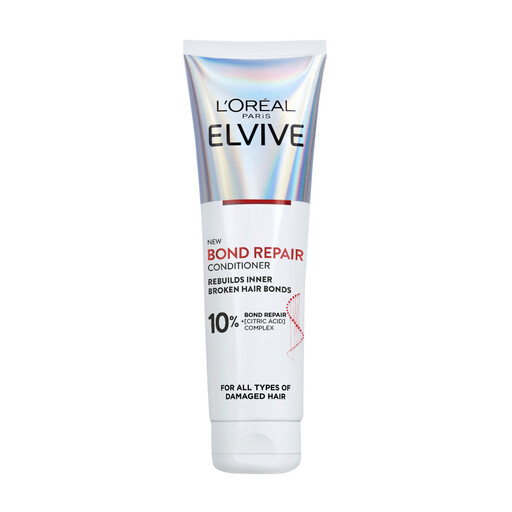
Why This Fits Their Persona: If your hair has been weakened by frequent bleaching or colouring, you need more than just surface-level moisture. This user needs intensive, structural repair to counteract the chemical damage and restore strength.
It directly counters the "one-size-fits-all" trap by focusing specifically on bond repair. The formula is powered by a Citric Acid Complex designed to penetrate the hair fibre and reinforce broken bonds from within, rather than just coating the surface.
Its primary function is to strengthen hair from the inside out, making it ideal for chemically compromised hair. The rich formula also helps detangle and smooth without excessive weight.
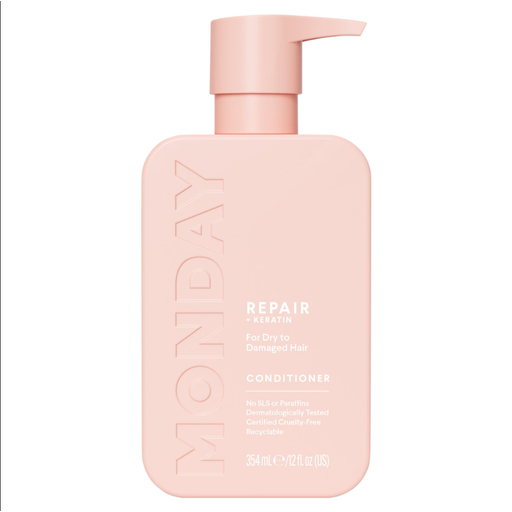
Why This Fits Their Persona: This user needs an affordable, reliable conditioner for daily use that addresses general dryness and damage without breaking the bank. They appreciate modern branding and formulas free from parabens and sulfates.
It avoids the "miracle ingredient" myth by offering a balanced formulation. It combines strengthening Hydrolysed Keratin with hydrating Coconut Oil and Shea Butter, providing a multi-faceted approach to repair rather than relying on a single hyped component.
It delivers a solid combination of protein and moisture at an accessible price point. The formula is pH-balanced, dermatologically tested and certified cruelty-free, offering peace of mind alongside performance.
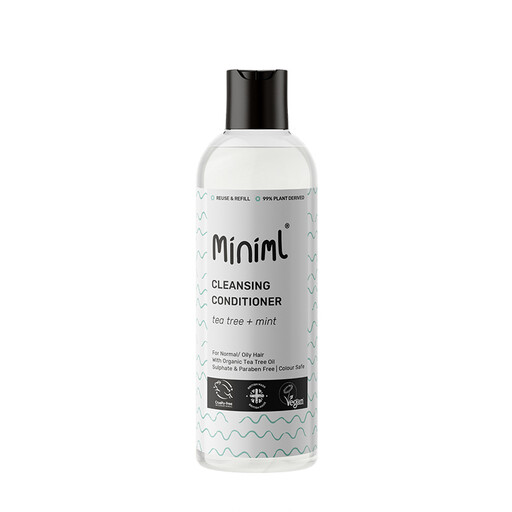
Why This Fits Their Persona: This user prioritises sustainability, natural ingredients and gentle formulas. They want an effective conditioner that aligns with their values, avoiding harsh chemicals and supporting a zero-waste lifestyle.
It sidesteps the "silicone-coating" illusion by using a clean, biodegradable formula free from silicones, sulfates and parabens. It nourishes with Pro-Vitamin B5, providing genuine hydration without the risk of synthetic build-up that can worsen damage.
Its eco-friendly credentials are a major plus, with a vegan formula and a sustainable refill system. The gentle, plant-derived ingredients are suitable for sensitive scalps and all hair types, including curls.
We have compiled a complete, real-time list of products that fully satisfy these strict selection criteria and UK safety regulations.
For most types of damaged hair, it is beneficial to use a repair conditioner every time you wash your hair. If you are using a very intensive formula, such as a deep bond repair conditioner, you might alternate it with a lighter hydrating conditioner to prevent over-proteinisation, which can make hair feel stiff. Always follow the product's specific directions.
No product can permanently fuse a split end back together. A good conditioner for split ends works by smoothing the hair cuticle, which temporarily seals the split and prevents it from travelling further up the hair shaft. The only true cure for a split end is to have it trimmed, but using the right conditioner can significantly improve their appearance and prevent new ones from forming.
A repair conditioner is designed for frequent, often daily, use and typically has a lighter consistency. Its primary job is to detangle, smooth and provide a maintenance dose of nourishing ingredients. A hair mask or treatment is a more intensive product, usually with a higher concentration of active ingredients. It's meant to be used less frequently (e.g., once a week) and left on for a longer period (5-20 minutes) to provide a deep dose of repair or hydration.