
24/7 Customer Support

Free returns

Same-day & Next-day Delivery

Quality Guaranteed

Unlock Your Welcome Offers: FREE Delivery | Up to 80% OFF | Free 30-day JoyPlus trial
Download the APP
Dealing with hair that feels dry, brittle or frizzy can be a frustrating cycle. Whether the damage comes from colouring, heat styling or just the British weather, finding an effective conditioner for damaged hair often feels like navigating a maze of marketing claims. Many products promise miraculous transformations, but leave you with the same lacklustre results and wasted money.
As a Joybuy Product Recommendation Officer, my role is to help you see past the hype. Before you add another bottle to your collection, let's look at the common purchasing pitfalls that prevent you from finding a genuine solution for your hair.
To make an informed choice, focus on the formula's substance rather than its marketing. Here are the key parameters to analyse.
A good hair repair conditioner is a careful balance of different types of ingredients. Look for a combination of the following near the top of the ingredients list:
For those with conditioner for coloured hair needs, it's also wise to look for formulas free from sulphates (often listed as Sodium Lauryl Sulfate or Sodium Laureth Sulfate), as these can strip colour and natural oils.
Not all damage is the same. The right conditioner for you depends on your hair type and the specific issues you're facing.
Based on these practical criteria, here are a few conditioners that align with different user needs and avoid the common pitfalls.
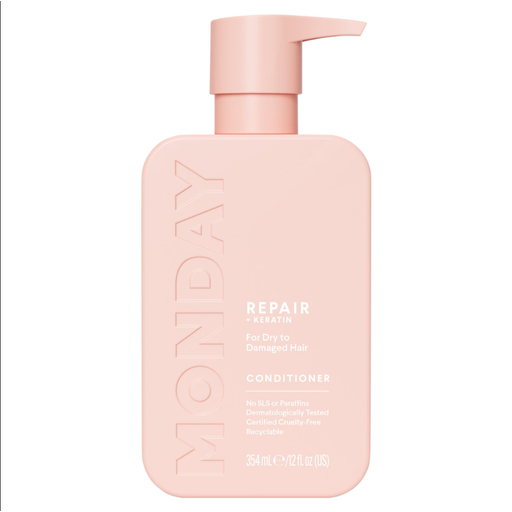
Why This Fits Their Persona: This conditioner offers a well-rounded, accessible formula for those seeking effective repair without a high price tag. It's a great starting point for anyone beginning their journey to healthier hair.
It balances moisture (Coconut Oil, Shea Butter) with repair (Hydrolysed Keratin), avoiding the trap of being just a moisturiser or a silicone-coater. The formula is also free from parabens and sulphates.
It is pH balanced and dermatologically tested, making it a gentle choice for regular use on hair that needs consistent care to rebuild strength and softness.
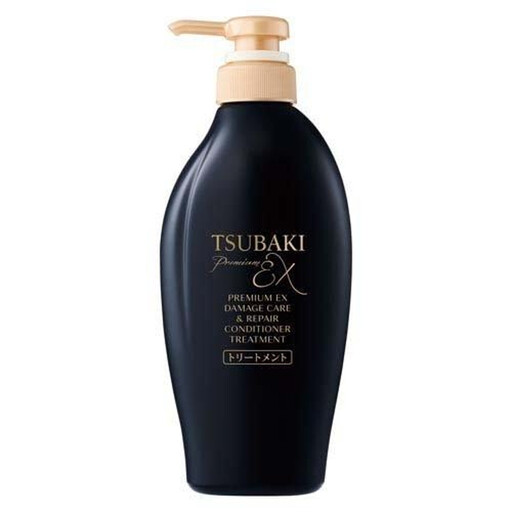
Why This Fits Their Persona: This is for someone who has invested in colouring or perming their hair and wants a high-performance product to protect that investment. It focuses on reversing chemical damage for a salon-quality finish at home.
It moves beyond surface-level conditioning. The formula is designed to repair hair from within, addressing the core damage caused by chemical treatments rather than just masking it with silicones.
According to the brand, its advanced ion-repair technology targets weakened hair to restore vitality and shine. The rich formula provides intensive hydration without a heavy or greasy feeling.
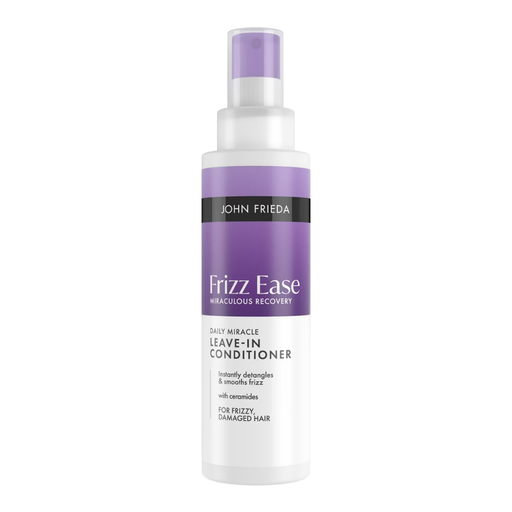
Why This Fits Their Persona: This is a multi-tasking product for those who regularly use heat stylers. It combines conditioning, frizz control and thermal protection in one quick step, streamlining the morning routine while actively protecting hair.
As a leave-in product, it provides continuous nourishment throughout the day. It's not just a rinse-off treatment but a protective shield that works against humidity and heat, offering functional benefits beyond a cosmetic feel.
It provides heat protection up to 230°C, a crucial feature for preventing further damage. The formula is infused with Argan Oil and Keratin to nourish and strengthen strands.
We have compiled a complete, real-time list of products that fully satisfy these strict selection criteria and UK safety regulations.
For most rinse-out repair conditioners, using them every time you wash your hair is ideal for consistent results. For more intensive treatments or masks, once or twice a week is usually sufficient. Always check the product's directions, as some, like leave-in conditioners, are designed for daily use on damp or even dry hair to provide ongoing protection.
No, a keratin conditioner is not the same as a chemical keratin straightening treatment. The hydrolysed keratin proteins in a conditioner are much smaller and work by temporarily patching and strengthening the hair cuticle. They help reduce frizz and repair damage but will not permanently alter your hair's natural texture or curl pattern.
Yes, but with the correct application technique. It is important to focus the conditioner primarily on the mid-lengths and ends of your hair, which are typically the driest and most damaged areas. Avoid applying rich, heavy conditioners directly to your scalp and roots, as this can contribute to oiliness and weigh hair down. Rinse thoroughly to prevent any residue build-up.