
24/7 Customer Support

Free returns

Same-day & Next-day Delivery

Quality Guaranteed

Unlock Your Welcome Offers: FREE Delivery | Up to 80% OFF | Free 30-day JoyPlus trial
Download the APP
Dealing with dry, brittle or frizzy hair can be a constant battle, especially with the unpredictable UK weather. You invest in a promising new conditioner for dry hair, hoping for silky, hydrated locks, only to be left with hair that’s either weighed down and greasy or just as parched as before. It’s a frustrating cycle, and often, it’s not your hair that’s the problem—it’s the product.
As a Joybuy Product Recommendation Officer, my role is to help you navigate the crowded shelves and see past the marketing hype. Many of us have been caught out by common shopping pitfalls that lead to wasted money and continued hair woes. Before you make your next purchase, let’s look at the traps to avoid.
To find a truly effective moisturising conditioner, you need to look beyond the front of the bottle. Here are the core parameters that determine a product's performance.
A good conditioner for dry hair works on a two-step principle: attracting moisture and then sealing it in.
A balanced formula contains both. Without emollients, the moisture drawn in by humectants can quickly escape, leaving hair dry again.
The texture of your hair dictates the type of conditioner it can handle. This is the most critical factor in avoiding that weighed-down or still-thirsty feeling.
Sometimes, dryness isn't the only issue. If you have other concerns, you'll need a more targeted approach.
Instead of a single "top" product, we've matched conditioners from our selection to specific user needs, helping you find a formula that genuinely works for your hair type and lifestyle.
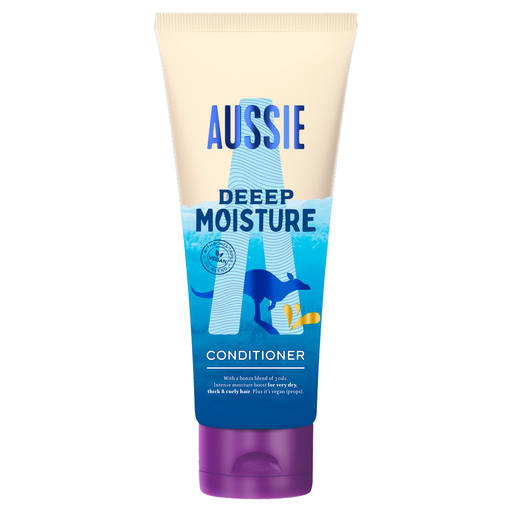
Why This Fits Their Persona: This user needs a powerful formula that can penetrate thick or curly hair strands to deliver serious hydration. The rich, creamy texture is ideal for hair that feels perpetually dry and needs help with detangling and softness.
It sidesteps the "one-size-fits-all" trap by being explicitly designed for "seriously dry, thick and curly hair," ensuring its rich formulation is targeted and effective, not generic.
Features a potent blend of Jojoba Oil, Avocado Oil and Australian Macadamia Nut Oil to deliver intense moisture. It is also a PETA-certified vegan conditioner.
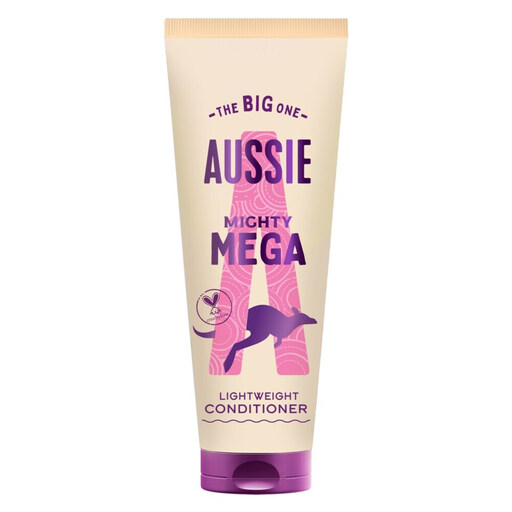
Why This Fits Their Persona: This user needs daily moisture but finds that most conditioners leave their fine hair looking flat and greasy. They want softness and shine without sacrificing natural volume and bounce.
Its "airy, cream-to-liquid texture" is specifically designed to provide a moisture boost "without weighing down fine or flat hair," directly solving the core problem of the "one-size-fits-all" trap.
Delivers hydration and shine while remaining lightweight. The formula is PETA-certified cruelty-free and contains 96% natural origin ingredients.
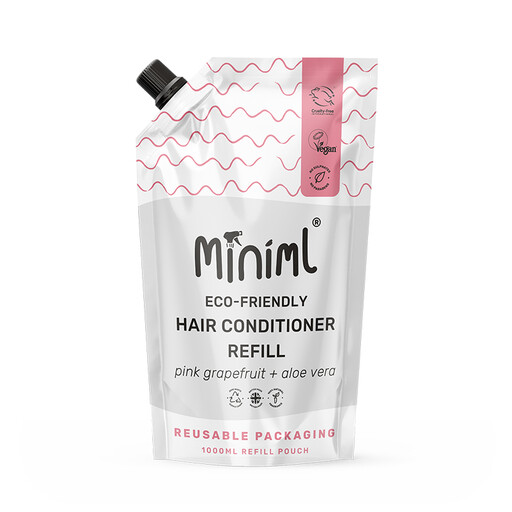
Why This Fits Their Persona: This user prioritises gentle, natural-leaning ingredients and sustainable practices. They need a conditioner that soothes a sensitive scalp while being effective for their hair, and they value brands that offer zero-waste solutions.
It avoids the "miracle ingredient" trap by building its formula around effective, soothing ingredients like aloe vera. It is also a true sulphate-free conditioner, free from parabens and phosphates, making it genuinely gentle.
Offers a zero-waste system with 1L refill pouches. The biodegradable, curl-friendly formula is suitable for sensitive scalps and coloured hair.
We have compiled a complete, real-time list of products that fully satisfy these strict selection criteria and UK safety regulations.
For moderately dry or damaged hair, using a deep conditioner or an intensive mask once a week in place of your regular conditioner is a good starting point. For severely damaged or very coarse hair, you might benefit from using it twice a week until the hair's condition improves, then reducing it to a weekly treatment for maintenance.
Yes, and this is often a great strategy for very dry or curly hair. Use your rinse-out conditioner in the shower as normal to provide the main dose of moisture and detangling. After towel-drying your hair, apply a small amount of a lightweight leave-in conditioner to the mid-lengths and ends to provide continuous hydration and frizz control throughout the day.
This is a common concern and it comes down to selecting the right product. If you have fine hair, avoid heavy conditioners formulated with rich butters and oils. Instead, look for a lightweight moisturising conditioner that uses ingredients like glycerine or hyaluronic acid. Also, ensure you are only applying the conditioner from the mid-lengths to the ends, avoiding the root area and rinsing thoroughly.