
24/7 Customer Support

Free returns

Same-day & Next-day Delivery

Quality Guaranteed

Unlock Your Welcome Offers: FREE Delivery | Up to 80% OFF | Free 30-day JoyPlus trial
Download the APP
Dealing with dry, brittle or frizzy hair can be a constant battle. You invest in a promising new conditioner, hoping for silky, hydrated locks, only to find your hair feels weighed down, greasy or just as dry as before. As a Product Recommendation Officer, I see many UK consumers fall into common purchasing traps, often swayed by clever marketing rather than product substance.
Before you add another bottle to your collection, let’s look at two frequent pitfalls that lead to disappointing results and wasted money:
To find a truly effective conditioner for dry hair, it's crucial to look past the front-of-bottle claims and understand the formulation. Here are the key factors to consider.
A good conditioner for dry hair should do more than just coat the surface. Look for a balanced formula that includes:
Sulphates (like Sodium Lauryl Sulphate or SLS) are powerful detergents most commonly found in shampoos. However, they can sometimes appear in conditioning products. For those with dry, delicate or curly hair, a sulphate-free conditioner is often a better choice. These gentler formulas help to condition and detangle without stripping the hair of its natural, protective oils, which are vital for maintaining moisture and preventing frizz.
The type of conditioner you choose should match your hair's needs and your routine.
Based on formulation, user needs and avoiding the common pitfalls, here are a few conditioners that stand out for different priorities.
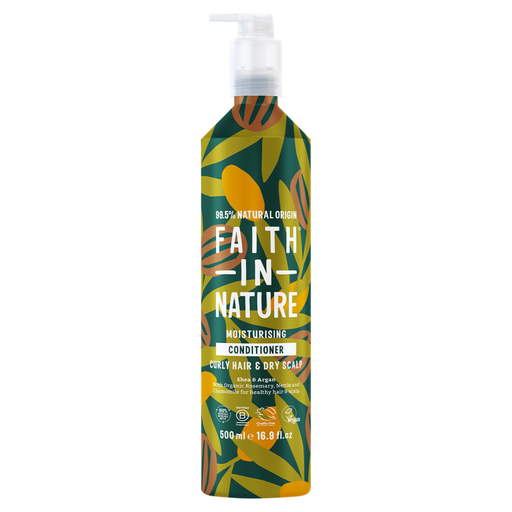
Why This Fits Their Persona: For those in the UK prioritising sustainability and gentle ingredients, this vegan conditioner is an excellent fit. It's ideal for families or individuals looking for an ethical product that delivers moisture without harsh chemicals and the refillable option aligns with a low-waste lifestyle.
It counters the "natural mirage" by being formulated with 99.5% natural origin ingredients and is transparent about its composition. The focus is on genuine emollients like shea butter and argan oil.
Features 99% biodegradable ingredients and is certified cruelty-free. Formulated to be moisturising for both dry hair and scalp.
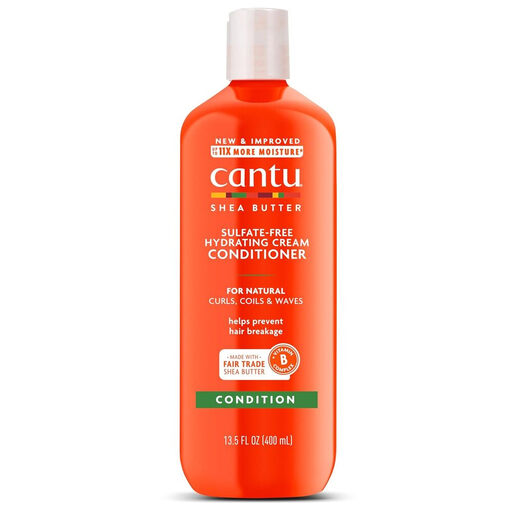
Why This Fits Their Persona: Anyone with curly, coily or wavy hair knows the importance of moisture. This conditioner is specifically designed for textured hair, providing hydration without the harsh chemicals that can disrupt curl patterns or cause frizz.
This is a dedicated sulphate-free conditioner that is also free from silicones, parabens and mineral oil. It avoids the silicone build-up trap that can weigh down curls and prevent moisture absorption.
Made with pure shea butter to moisturise dry, brittle hair. It helps hair retain its natural oils, which is crucial for curl health and definition.
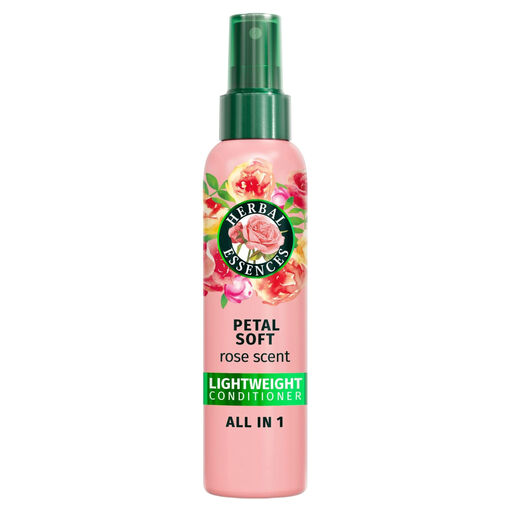
Why This Fits Their Persona: For the busy individual in the UK who needs an efficient, multi-tasking product, this leave-in conditioner is a perfect match. It streamlines the hair care routine by combining multiple steps into one, saving precious time on busy mornings.
Its lightweight, leave-in formula avoids the heavy, greasy feeling of some silicone-based products. It provides nourishment and control without weighing the hair down, making it suitable for daily use.
An all-in-one formula that detangles, tames frizz, provides heat protection and adds shine. It also doubles as a hair perfume with a lasting rose scent.
We have compiled a complete, real-time list of products that fully satisfy these strict selection criteria and UK safety regulations.
How often should I use a deep conditioner for damaged hair? For moderately dry or damaged hair, using a deep conditioner once a week is generally sufficient. If your hair is severely damaged from chemical treatments or heat styling, you might benefit from using it twice a week for the first month before scaling back to a weekly treatment. Always follow the product's specific instructions for application time.
Is it okay to use a leave-in conditioner daily? Yes, for most people with dry or frizzy hair, a lightweight leave-in conditioner can be used daily. Apply a small amount to damp hair after washing, focusing on the mid-lengths and ends. If you feel any build-up over time, you may want to use a clarifying shampoo once or twice a month to reset your hair.