Organisers choosing the flavour
If the brief says “white chocolate dark”, settle whether it means sweet, creamy white chocolate, high-cocoa dark chocolate or a choice of both. Those are different purchasing routes, not one product specification.


Choose white chocolate when the conference brief calls for its sweet, creamy flavour or a pale dessert finish; choose a product clearly labelled as 70% dark chocolate when pronounced cocoa flavour is the aim. If preferences are unknown, offer a clearly labelled choice of both rather than treating white and dark chocolate as interchangeable. Before ordering, check the serving format and the current ingredient and allergen information for each product.
If the brief says “white chocolate dark”, settle whether it means sweet, creamy white chocolate, high-cocoa dark chocolate or a choice of both. Those are different purchasing routes, not one product specification.
Countable bars, share-style truffles and chocolate for dessert preparation call for different serving plans. For example, Cadbury Gifts Direct lists a Green & Black’s dark-chocolate case containing 15 × 90 g bars, while Lindt Shop UK lists a 1 kg truffle pack.
Anyone serving prepacked chocolate, unpackaged treats or caterer-packed items needs to keep the ingredient and allergen information tied to the correct product. The packaging and way the food is prepared for service affect the checks required.
Decide on the flavour route first, then choose a format you can serve as planned and check the information that must remain available to delegates.
Choose it when: the brief calls for sweet, creamy chocolate or a pale finish in a prepared dessert.
Bear in mind: it will not satisfy a request for the pronounced cocoa flavour of high-cocoa dark chocolate.
Choose it when: the brief asks for dark chocolate with a clearly stated cocoa-solids level and a more pronounced cocoa flavour.
Bear in mind: its flavour differs from sweet white chocolate, and a vegan-recipe description does not establish milk-allergy suitability.
Choose it when: delegates have varied preferences and the event has no single flavour brief.
Bear in mind: two products need separate ordering, presentation and product-specific allergen information.
| Priority | What to check | Your needs |
|---|---|---|
| Flavour fit | Confirm whether the brief calls for white chocolate, high-cocoa dark chocolate or both. For a dark-chocolate brief, read the cocoa-solids statement on the exact product. | I want delegates to receive the chocolate described in the event brief, rather than a sweet white option where a pronounced dark-cocoa flavour was expected. |
| Serving format | Check the unit count and pack weight for allocated servings, or plan portions separately for a share pack. Distinguish ready-to-serve treats from chips intended for dessert preparation. | Each place setting needs a known allocation; for a dessert station, I can plan how the chocolate will be prepared and served. |
| Allergen information | Read the current ingredients, allergen statements and precautionary warnings for each exact pack. Keep that information linked to the product if packaging is removed or items are repacked. | Delegates need to be able to identify the ingredients and allergen information for the particular chocolate they are offered. |
| Order planning | Confirm availability, delivery timing and the quantity in each pack before setting the serving plan. | I need enough of the chosen format for the planned service, whether that means counted bars or ingredients for prepared desserts. |
White chocolate chosen for a sweet, creamy finish and 70% dark chocolate chosen for pronounced cocoa flavour serve different briefs.
Write the requirement as white, dark with a stated cocoa-solids level, or a clearly labelled selection of both before ordering.
A specified case count helps with allocation only if the case and delivery timing suit the event plan.
Confirm current availability, delivery timing, pack count and product label before assigning servings to delegates.
Once wrappers are removed or different chocolates are presented together, delegates may struggle to identify which ingredient and allergen statement belongs to which item. The Food Standards Agency says catering food businesses must provide allergen information; food prepacked for direct sale has specific labelling requirements.
Keep original packs or a product-specific ingredient and allergen record at the service point. If your operation packs food for direct sale, check the applicable labelling requirements before service.
Lindt Shop UK describes its EXCELLENCE Dark 70% bar as made to a vegan recipe but says it is manufactured in a facility using milk and is not suitable for people with milk allergy.
Check the warning on the exact current pack against the attendee’s requirements; do not use a vegan-recipe description in place of its allergen statement.
These product-line examples help distinguish chocolate types and formats; they are not a list of products available in the selection below.
A reference for labelled dark-chocolate bars and share-style truffles.
A countable dark-bar format to consider for planned allocation.
An own-label white-chocolate reference for a sweet, creamy flavour brief.
A white-chocolate reference for baking and dessert decoration.
A familiar chocolate range whose exact product must be chosen against the event brief.
These options cover dark-chocolate truffles for a share-style service and white-chocolate chips for prepared desserts. Check portioning and the current pack information before using either format at a conference.
 No image available
Dark-chocolate truffles for a share-style conference service where the brief calls for a 70% cocoa product.
The 200g pack’s truffle count and individual packaging need checking before assigning portions. Listed allergens include barley, milk and soya, with precautionary warnings for nuts; read the current pack before serving.
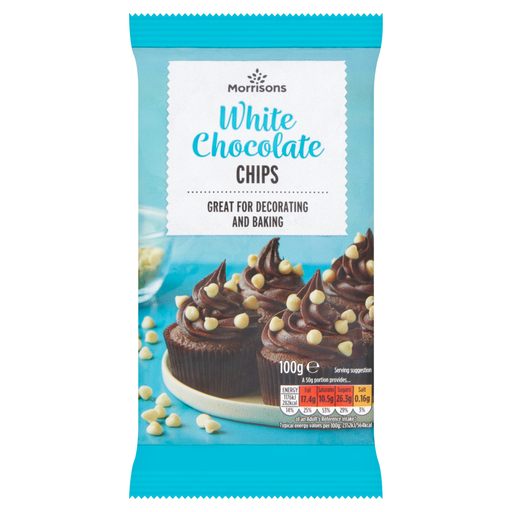 No image available
White-chocolate chips for baking or decorating catered desserts, rather than a confirmed ready-to-serve delegate portion.
The pack is 100g. Plan preparation and servings separately, and check the current label for milk, soya and other allergen information before use.
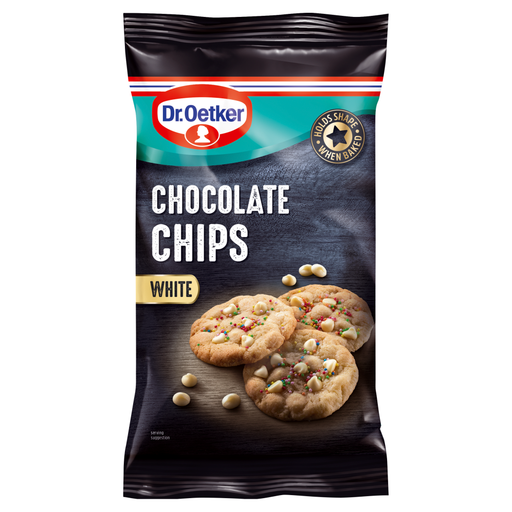 No image available
White-chocolate chips described for baking, melting and decorating when the conference dessert calls for white chocolate.
The pack is 100g and is an ingredient rather than a confirmed individual serving. Plan portions separately and check the current label for milk, soya and other allergen information.
Treat them as separate choices for this catering decision. Lindt Shop UK states that its EXCELLENCE Dark 70% bar contains at least 70% cocoa solids, while Waitrose describes its Belgian white chocolate as sweet and creamy. Order the type the brief actually requests, or label both clearly if offering a choice.
A stated unit count makes bar allocation easier to plan: Cadbury Gifts Direct lists a Green & Black’s case of 15 × 90 g bars. A truffle pack is a different, share-style format, so check its individual count and decide how it will be served before assigning portions.
Yes. The Food Standards Agency says retail and catering food businesses must provide allergen information. For food that meets the definition of prepacked for direct sale, requirements applying since 1 October 2021 include the food name and a full ingredients list with regulated allergens emphasised. Check which rules apply to the way your event prepares and supplies each item.
No. Lindt Shop UK says its EXCELLENCE Dark 70% bar is made to a vegan recipe but is manufactured in a facility using milk and is not suitable for people with milk allergy. Use the exact product’s current allergen statement when assessing an attendee’s requirements.