What should you check before choosing?
Decide whether the brief asks for chewy toffee, a chocolate snack or a declared cocoa percentage before comparing pack sizes and planning service.
Dark-coated chewy toffee
Choose when: The refreshment point calls for chewy toffee with a dark chocolate coating, without a specified cocoa-solids percentage.
Trade-off: Storck’s 30% dark-chocolate figure for RIESEN describes its composition, not the cocoa-solids content; its listed ingredients include milk and soya, with possible nut presence.
Dark-milk pretzel and toffee bar
Choose when: A shareable chocolate bar with pretzel and caramel pieces fits the break-time serving plan.
Trade-off: Tony’s Chocolonely Dark Milk Pretzel Toffee is a different format from chewy coated toffee, and its dark-milk description should not be substituted for a high-cocoa requirement.
Separate percentage-labelled chocolate
Choose when: The brief requires a declared cocoa percentage and toffee can be offered as a separate sweet.
Trade-off: Two products need separate ordering, presentation and allergen information; the chocolate does not become a dark-toffee option.
| Priority | What to check | Your needs |
|---|
| Cocoa description |
Check whether a percentage refers to cocoa solids, chocolate in the whole sweet or another labelled component. Match any specified cocoa requirement to the precise pack wording. |
I need to be able to name the cocoa percentage on the menu, rather than assume that anything described as dark meets the brief. |
| Product type |
Distinguish chewy coated toffee from a chocolate cup, a pretzel-and-caramel bar or plain dark chocolate. Check whether each format is acceptable to the organiser. |
Guests expecting a piece of toffee should not be given a bar as though it were the same sweet. |
| Allergen information |
Read each delivered pack’s ingredients, allergen emphasis and may-contain statements. Keep information linked to the correct product when sweets are displayed. |
I want attendees to be able to identify what is in each option without confusing one bowl or bar with another. |
| Serving format |
Check pack size, how pieces will be portioned and whether individual wrapping is needed. Plan how the serving point will be replenished. |
A sharing bar may need a different service arrangement from a bag of sweets at a busy break. |
| Final order |
Confirm stock close to ordering and inspect the delivered pack’s label, date and storage instructions. Tesco notes that food formulations can change. |
I need the sweets delivered for the event to match the information prepared for attendees. |
Which brands illustrate the options?
These brand examples show different kinds of confectionery; a dark label, filled chocolate and chewy toffee do not describe interchangeable products.
RIESEN (Storck)
Storck describes RIESEN as chocolate toffee in dark chocolate; Sainsbury’s lists a 135 g bag.
- A direct example of chewy, dark-chocolate-coated toffee.
- The stated 30% is the dark chocolate’s proportion of the sweet, not a cocoa-solids figure. Check the milk, soya and possible-nut information on the final pack.
Nestlé ROLO
Tesco describes ROLO Dark as soft golden toffee enclosed in a dark chocolate cup and lists a 126 g pouch.
- A pouch-format alternative for a dark-chocolate-and-toffee offering.
- Check the delivered pack for cocoa and allergen details before using it for an event brief.
Tony’s Chocolonely
The Dark Milk Pretzel Toffee 42% product is a 180 g chocolate bar with pretzel and caramel pieces, according to Tesco and Waitrose listings.
- A distinct bar format if the catering plan allows a chocolate snack in place of chewy toffee.
- It is not a plain dark-toffee product. Tesco and Waitrose showed the item as unavailable when reviewed, so check stock before planning around it.
M&S
M&S lists an 85% dark chocolate bar and, separately, a dark chocolate selection with caramel and golden-fudge centres.
- The percentage-labelled bar illustrates the separate chocolate route when a stated cocoa figure matters.
- Neither product should be presented as a single high-cocoa dark toffee.
Waitrose
Waitrose lists a Dark Chocolate & Caramel Fudge product in its toffee, fudge and nougat category.
- An option to consider if fudge, rather than chewy toffee, is acceptable.
- Check the chosen pack’s ingredients, allergens and cocoa description before including it in an event menu.
Werther’s Original
Werther’s describes its creamy toffees as made with butter and cream; its mixed assortment includes milk-chocolate-covered sweets.
- A possible separate toffee choice when serving percentage-labelled dark chocolate alongside it.
- Those descriptions do not establish a dark-chocolate-coated or high-cocoa toffee option.
Joybuy dark chocolate options
These products are chocolate choices for a conference brief that calls for a stated cocoa percentage or a separate dark-chocolate offering. They are not toffee; select toffee separately if the menu needs both.
 No image available
Morrisons 85% Cocoa Ecuador Dark Chocolate 100g
A 100 g dark chocolate bar labelled 85% cocoa for a separately served chocolate choice. It is not toffee; check the delivered pack’s allergen information and serving format.
View on Joybuy
 No image available
Green & Black’s Dark Chocolate 85% 90g
This 90 g dark chocolate bar states 85% on its label and can be offered separately from toffee. Check the pack received for allergen information and how it will be portioned.
View on Joybuy
 No image available
Lindt Excellence 85% Cocoa Dark Chocolate 100g
A 100 g dark chocolate bar labelled 85% cocoa for the separate chocolate route, rather than a dark-coated toffee. Confirm the delivered pack’s allergen wording before service.
View on Joybuy
 No image available
Morrisons 72% Cocoa Dominican Republic Dark Chocolate 100g
This 100 g dark chocolate bar states 72% cocoa. If the conference brief sets a particular percentage, compare it with that requirement; this bar does not supply the toffee portion of a two-product menu.
View on Joybuy
 No image available
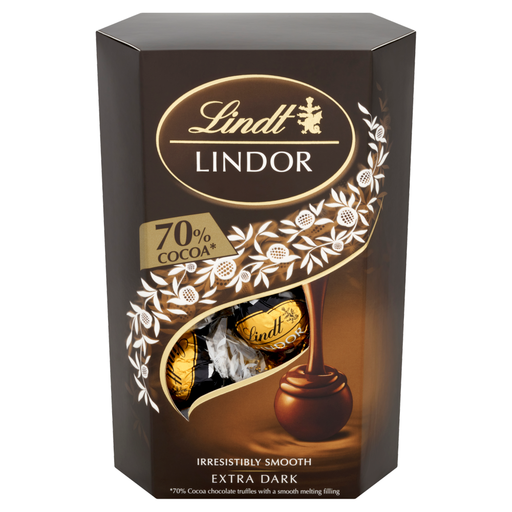
Lindt Lindor Dark 70% Cocoa 200g
A 200 g Lindor dark chocolate option labelled 70% cocoa, for serving separately if that figure meets the brief. It is not toffee; check the final pack’s allergen information and portioning format.
View on Joybuy
Conference catering questions
Does RIESEN meet a high-cocoa brief?
Do not use its dark coating alone to establish that it does. Storck describes RIESEN as toffee containing 30% dark chocolate; this is the proportion of chocolate in the sweet, not a stated cocoa-solids percentage. Check the pack against the exact wording of the conference brief.
Can a dark-milk pretzel bar replace dark-coated toffee?
Only if the organiser accepts a different product and serving format. Tesco and Waitrose describe Tony’s Chocolonely Dark Milk Pretzel Toffee as a bar with pretzel and caramel pieces, not chewy toffee coated in dark chocolate.
How should allergen information be handled for conference sweets?
Identify each sweet and prepare information from the packs that will actually be served. Food Standards Agency guidance covers allergen information for prepacked and non-prepacked food in retail and catering; agree with the caterer how the information will be made available for the event’s serving arrangement.
What should be checked on a RIESEN pack before service?
Check its current ingredients and allergen statements. The product information from Storck and Sainsbury’s identifies milk and soya and warns of possible hazelnuts, almonds, peanuts and other nuts; use the delivered pack when preparing attendee information.
Is an online listing enough to plan the final order?
Use it to shortlist, then confirm stock and inspect the delivered product’s label, date, storage instructions and serving format. Tesco advises reading food labels because products can be reformulated.


