Organisers running a tea-led self-service station
A shared hot-water source lets guests choose between separately stocked teas without a machine for each blend. Plan the water supply around the number of people arriving during breaks.


For a tea-led conference station, use tea bags with a catering urn or hot-water boiler, and stock separate blends for the choices you plan to offer. Individually wrapped bags suit stations where separated portions and clear labelling matter, but create more packaging to manage. Coffee pods are a separate route for coffee service: confirm the venue’s machine system before buying them, and retain a tea option if delegates need one.
A shared hot-water source lets guests choose between separately stocked teas without a machine for each blend. Plan the water supply around the number of people arriving during breaks.
Teams choosing between an open pack and individual envelopes need to consider how portions will be displayed and how current ingredient and allergen information will remain accessible.
Coffee pods call for a compatible machine and their own replenishment plan. They do not replace the tea-bag station when tea is part of the drinks brief.
Set the drinks brief first—tea, machine-made coffee or both—then check service capacity, portion format and the information guests will need at the station.
Choose when: Tea is the main drink and guests need a choice of blends from one service point.
Allow for: Guests brew their own cups, so provide clear instructions and enough hot water for busy breaks.
Choose when: A smaller or mixed-choice station needs portions kept separate and easy to identify.
Allow for: Each envelope adds packaging and handling; check its disposal instructions against the venue’s collection arrangements.
Choose when: The event also calls for single-serve coffee and a compatible pod machine will be available.
Allow for: Machine power, cleaning and pod replenishment, while planning tea service separately.
| Priority | What to check | Your needs |
|---|---|---|
| Service capacity | Estimate demand during the busiest break. Confirm the urn or boiler capacity, electrical provision and service arrangements with the venue. | I need hot water available when delegates arrive together, rather than relying on repeated kettle boils. |
| Drink choice | List the tea variants required, such as black tea, decaf and infusions. Label each container and plan quantities for each choice. | Some guests will want an alternative to standard black tea, so I need distinct options they can recognise. |
| Portion format | Check whether the exact pack contains loose bags or individual envelopes. Consider how portions will be stored and presented during service. | At a small, unattended station, I may prefer portions that stay separately packaged until guests take them. |
| Ingredient information | Keep current supplier ingredient and allergen information accessible. Include milk and other accompaniments in the catering team’s information process. | I need guests with ingredient or allergen questions to get accurate answers about the drinks being served. |
| Waste arrangements | Check the exact tea bag and wrapper guidance against what the venue’s collector accepts. GOV.UK’s workplace recycling guidance requires workplaces in England to separate food waste before collection; it does not establish that every tea bag is accepted in that stream. | The venue needs a disposal plan that works for its collection service, not just a claim printed on a pack. |
| Coffee equipment | If coffee pods are on the brief, confirm the machine system, compatible pods, power supply and cleaning plan. | I need coffee as well as tea, but cannot treat pods as a substitute for tea bags. |
Tea bags need hot water; coffee pods need a compatible machine. Buying for one preparation method will not automatically provide the other drink.
Specify whether the event needs tea, coffee or both, then plan each station and its supplies separately.
According to Tata Consumer Products’ 2025 sustainability report, its claim about industrially compostable Tetley bags applies to a portion of its portfolio where suitable collection is available. Clipper also describes its tea-bag material as plant-based; neither brand statement establishes acceptance by a particular venue’s collector.
Check the exact product and the venue’s waste instructions. For a workplace in England, follow the applicable food-waste separation requirements described in GOV.UK guidance.
Guests may be unable to get an accurate answer about a tea, milk or flavoured addition if packaging and current supplier records are inaccessible. GOV.UK and Food Standards Agency guidance requires catering food businesses to provide allergen information for food and drink.
Keep current labels or records available and make sure service staff know where to find them.
Repeated boiling creates a service bottleneck when many delegates want hot water at once.
Discuss an appropriately sized catering urn or commercial boiler with the venue, including capacity, power and safe service arrangements.
These range-level references can help shape the drinks brief; check the exact pack before assuming its format or disposal instructions.
A familiar black-tea option for a conference station.
A brand to check when sourcing tea for workplace or hospitality service.
A black-tea-led range with decaf and a blend marketed for hard-water areas.
A range to consider when a station needs visibly distinct tea choices.
A brand for organisers checking tea-bag material and packaging claims by product.
These packs cover black tea, a decaffeinated black-tea choice and a mixed tea collection for a hot-water station. Check the presentation of each pack if individual wrapping matters; coffee pods and hot-water equipment are separate purchases.
 No image available
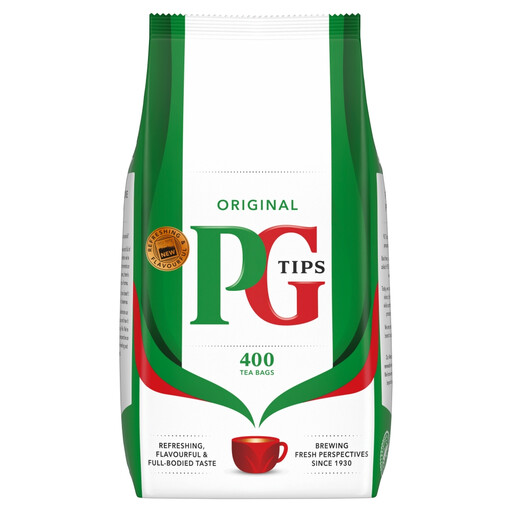
A 400-bag black-tea pack for stocking a tea-led station. Confirm the pack presentation if guests need individually wrapped portions, and arrange hot water separately.
 No image available
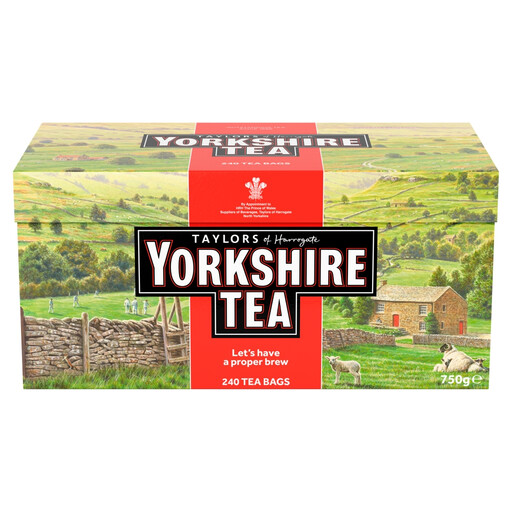
This 240-bag black-tea pack is another option for the main tea supply. Check whether its portions are individually wrapped if that affects the station layout; hot-water provision is separate.
 No image available
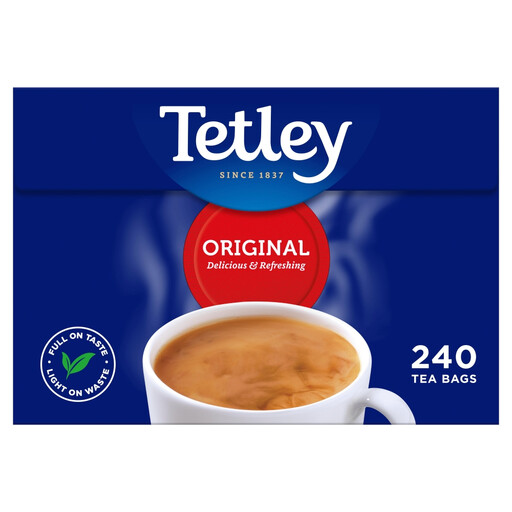
A 240-bag black-tea option for a shared hot-water station. Check the exact pack format and disposal guidance rather than applying a brand-wide packaging claim to this variant.
 No image available
This 80-bag decaffeinated black-tea pack provides a separately labelled alternative to standard black tea. Confirm the portion packaging if individual envelopes are required.
 No image available
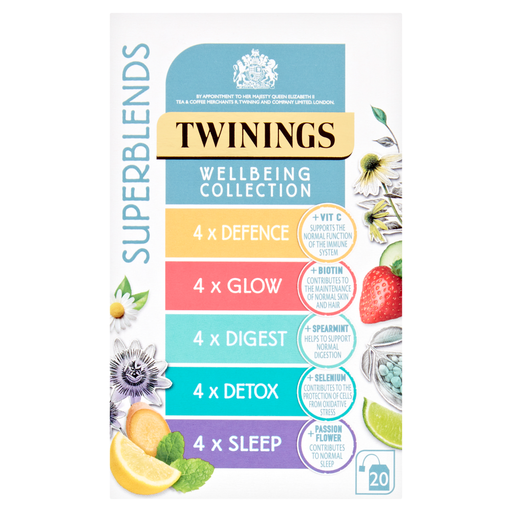
The 20-bag collection contains five listed blends, including green tea and herbal infusions, for a station offering alternatives to black tea. Check the ingredients of each blend and whether the bags are individually wrapped.
Not if tea is on the drinks brief. Tea bags brew with hot water, while coffee pods require a compatible machine; plan separate supplies when the event serves both drinks.
GOV.UK and Food Standards Agency guidance requires retail and catering food businesses to provide allergen information for prepacked and non-prepacked food and drink. Keep accurate, current information available for the teas and accompaniments served, and ensure staff know where to find it.
Check the exact tea bag and the venue collector’s instructions before putting it there. GOV.UK guidance requires workplaces in England to separate food waste before collection, but a plant-based or compostable description alone does not confirm that a particular collector accepts the bag.
Choose them when separated, clearly identifiable portions matter at the service point, particularly with several tea choices. An open catering pack may involve less individual packaging; check either pack’s presentation before ordering.
No. The GOV.UK Simpler Recycling workplace guidance cited here applies to England. For an event in Scotland, Wales or Northern Ireland, check the applicable local requirements and the venue’s collection arrangements.