For a conference using an espresso or bean-to-cup machine, start with whole beans whose preparation guidance suits that equipment and whose stated flavour profile fits the drinks being served. A bold or high-intensity label can help describe the cup, but it is not a caffeine measurement; also plan pack sizes around service volume and offer another choice for delegates who prefer a gentler or decaffeinated coffee.
Who is choosing the beans?
Organisers using espresso or bean-to-cup machines
Match whole beans to the venue’s equipment and the drinks menu. If cappuccinos and lattes are part of service, check the coffee’s stated flavour profile and any guidance for milk drinks rather than choosing by an intensity number alone.
Caterers serving delegates who prefer a bold cup
Look for a clearly described full-bodied or dark-roast flavour, while keeping a gentler or decaffeinated option for different preferences. Lavazza describes intensity in terms of aroma and richness, not as a caffeine rating.
Buyers planning a large self-service break
Consider how many packs staff will need to open and how often they will refill the machine. Check each product’s storage instructions so opened beans can be managed across successive breaks.
What matters when buying?
Confirm the brewing equipment and drinks menu first, then compare flavour descriptions, pack sizes and the work involved in keeping service running.
| Priority | What to check | Your needs |
|---|
| Brewing method |
Check that the beans’ preparation guidance covers the venue’s espresso, bean-to-cup, filter or cafetière setup. Confirm the grinder and machine settings before service. |
Our station needs beans that suit its equipment, not just a pack labelled strong. |
| Flavour in the cup |
Compare stated body, roast and tasting notes. For a milk-drink menu, check whether the producer describes the coffee as suitable for that use; Union makes this claim for Foundation. |
If many drinks will contain milk, I want to know how the selected coffee is intended to taste in them. |
| Meaning of strength |
Read an intensity score as that producer’s flavour description, not a cross-brand caffeine scale. Check the exact blend composition if Arabica or Robusta content matters. |
I want a bold-tasting option without assuming that its intensity number tells me how much caffeine delegates will receive. |
| Pack planning |
Compare pack weight with expected service volume, refill frequency and space for unopened stock. Follow the chosen pack’s instructions after opening. |
At a busy break, I need enough beans ready for refills without opening more packs than the event calls for. |
What can disrupt service?
-
Reading intensity as a caffeine measurement
Lavazza describes coffee intensity through aroma and richness, while Waitrose notes that caffeine varies by bean type. A stronger-tasting cup does not, by itself, establish its caffeine content.
Compare flavour descriptions and blend information separately. Keep a decaffeinated or gentler choice in mind for a mixed group.
-
Choosing beans without checking the brewing setup
A whole-bean order still needs a suitable grinder or bean-to-cup machine and a setting appropriate to the brewing method.
Confirm the venue’s equipment, check the selected product’s preparation guidance and test the machine settings before delegates arrive.
-
Underestimating refills during peak breaks
Small packs may require more frequent opening and hopper refills when many delegates arrive at once.
Estimate the planned number of drinks, keep unopened reserve stock accessible and assign someone to manage refills.
-
Checking only the coffee beans at the drinks station
Milk, plant drinks, syrups and accompanying food bring their own ingredient and allergen information into the service. The Food Standards Agency provides guidance on allergen information and handling for food businesses.
Check the labels of every addition and follow the venue’s procedures for presenting allergen information and handling ingredients.
Brand references
These examples show different flavour descriptions and pack formats to check against a conference setup; a brand name alone does not establish that every bean in its range suits the same machine.
Lavazza
Espresso Barista Intenso is a whole-bean example for espresso or moka preparation.
- Lavazza lists a 1 kg pack, rates its intensity 9/10 and describes cocoa and woody notes.
- The intensity score describes the brand’s coffee profile; it should not be used as a caffeine comparison with other brands.
Illy
Illy Intenso offers a 500 g, 100% Arabica whole-bean option.
- Illy describes its Intenso roast as rich and full-bodied, with cocoa and dried-fruit notes.
- For a large event, account for how often a 500 g pack would need replacing.
Taylors of Harrogate
Waitrose lists Taylors of Harrogate Rich Italian Beans in a 200 g format.
- The listed pack gives buyers a smaller-format whole-bean option to consider.
- Check the exact pack’s strength description and brewing guidance before selecting it for an espresso station.
Union
Foundation is Union’s dark-roast option for an espresso or bean-to-cup setup.
- Union describes Foundation as its darkest roast and says its flavour carries through milk drinks.
- That dark flavour may not match every delegate’s preference, so consider what else the station will serve.
M&S
M&S Food lists espresso blends and Italian-style coffees among its coffee bean choices.
- Its range gives buyers products to compare by their stated strength and preparation details.
- Check the individual whole-bean pack for its weight and machine guidance rather than applying a range-wide description.
Waitrose
Waitrose No.1 Italian Espresso is a whole-bean example described as full-bodied with dark-chocolate notes.
- Waitrose lists its blend as 50% Arabica and 50% Robusta, which makes the composition clear to buyers.
- Check the exact product’s pack size and preparation instructions against the planned service.
Joybuy coffee bean options
These whole-bean options cover different pack sizes and flavour descriptions for conference coffee service. Choose against the venue’s brewing method and expected number of drinks.
 No image available
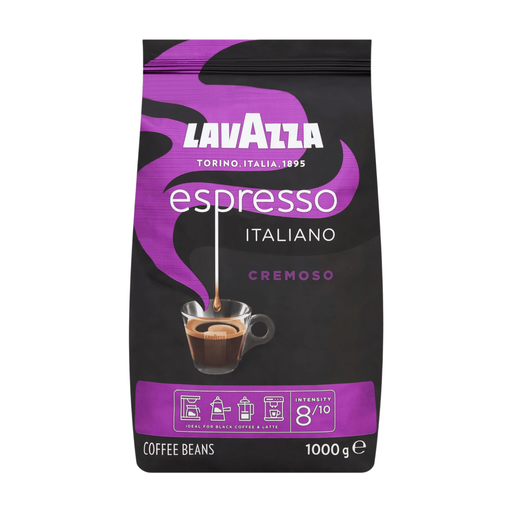
Espresso Italiano Cremoso Beans 1 kg
For a busy coffee station, compare this 1 kg whole-bean pack with the expected number of drinks. Confirm the venue’s machine settings before service rather than treating the espresso name as a substitute for a preparation check.
View on Joybuy
 No image available
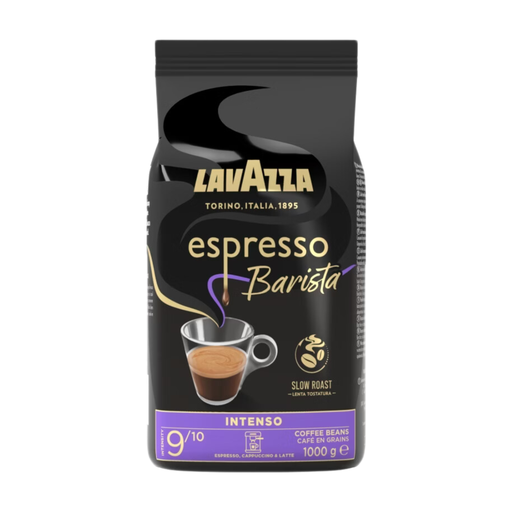
Lavazza Barista Intenso Beans 1 kg
The 1 kg whole-bean format is worth considering where staff need to limit pack changes. Check the exact product’s brewing guidance and blend information if machine setup or caffeine planning affects the menu.
View on Joybuy
 No image available
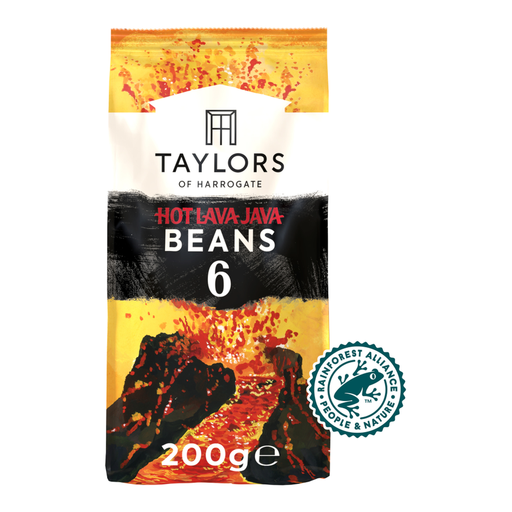
Taylors of Harrogate Hot Lava Java Coffee Beans 200 g
For a station considering a smaller whole-bean pack, work out how many 200 g packs the break will require. Check the product’s brewing instructions against the equipment, particularly if the plan calls for espresso rather than cafetière coffee.
View on Joybuy
 No image available
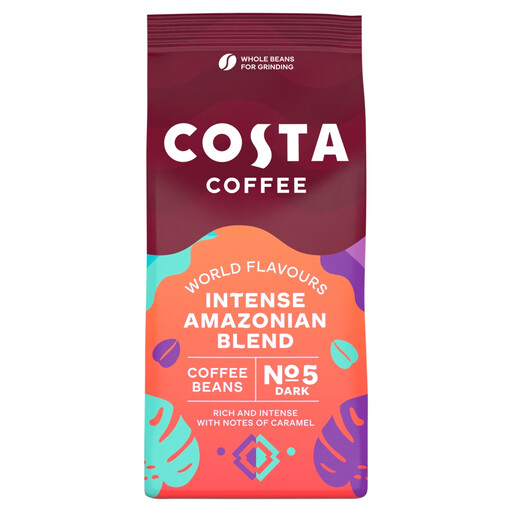
Costa Intensely Dark Amazonian Blend Coffee 200 g
If the menu calls for a dark-flavoured coffee, check this product’s preparation guidance against the planned brewer. Its 200 g pack size also calls for a refill plan at a larger conference.
View on Joybuy
Common questions
Does a higher intensity score mean more caffeine?
No. Lavazza uses intensity to describe characteristics such as aroma and richness, while Waitrose notes that caffeine varies by bean type. Check the exact blend information rather than using an intensity score as a caffeine rating.
How should whole beans be ground for conference espresso?
Use the venue machine’s guidance and adjust its grinder for the selected beans. Waitrose’s espresso instructions for its 100% Arabica beans specify a fine grind, but the settings for another machine or product should be checked and tested on site.
What should happen to opened beans between coffee breaks?
Close the pack and follow that product’s storage instructions between breaks. Plan refills around expected demand so staff know which packs are already open.
Do plain coffee beans settle allergen planning for the drinks station?
No. Milk, plant drinks, syrups and accompanying foods must also be considered. Check each product’s ingredient information and follow the venue’s allergen-handling procedures; the Food Standards Agency provides guidance for food businesses on giving allergen information.


