Organisers working to a serving plan
Count the cups expected across all breaks and allow for repeat requests. An 80-stick pack provides 80 stated one-stick servings only when the selected product specifies one cup per stick.


Choose an 80-stick box only if your expected cups across every conference break, including extra requests, fit within its stated 80 servings. Sticks make portions easier to count; a jar or refill lets people adjust coffee strength but needs a measured serving plan. Check the exact drink before ordering: milk-containing cappuccino sticks are not a substitute for plain black coffee.
The useful unit for a conference order is expected cups, not simply the number of attendees.
Count the cups expected across all breaks and allow for repeat requests. An 80-stick pack provides 80 stated one-stick servings only when the selected product specifies one cup per stick.
Choose between countable sticks and a jar or refill that people can measure to their preferred strength. For a jar, plan for a serving utensil and a way to monitor use.
Consider whether attendees need plain coffee, a separate decaf choice or a milk-containing drink. Keep the exact product information available so each option can be identified accurately.
Work out the required cups first, then choose a format that makes those servings practical to prepare and identify at the station.
| Priority | What to check | Your needs |
|---|---|---|
| Portion count | Check cups expected across every break, the pack count and the stated servings per portion. Printerbase describes its Douwe Egberts pack of 80 cappuccino sticks as making one cup per stick. | Will one serving per person be enough, or should I allow for people returning for another cup? |
| Preparation | Check whether the drink comes in individual sticks or needs measuring from a jar. Nescafé UK & IE directs users to prepare Original with one teaspoon and hot water; a jar therefore needs a utensil at the station. | I need a preparation method that works during short breaks without assuming a jar contains a fixed number of cups. |
| Drink style | Check whether the product is plain instant coffee or a premixed drink. Printerbase describes its 80-stick Douwe Egberts cappuccino product as instant coffee mixed with skimmed milk; Kenco describes Smooth and Rich with different intensity ratings. | Some attendees may want black coffee or to add their own milk, while others may prefer a premixed cappuccino. |
| Ingredients | Read the exact pack’s ingredients and allergen declaration, especially for premixed drinks. The Food Standards Agency’s catering guidance addresses the provision of allergen information by food businesses. | I want each drink clearly identified so people can check its ingredients before choosing it. |
| Decaf choice | Check the selected decaf product’s format and serving guidance rather than assuming it comes in an 80-stick box. Kenco presents Decaf as a jar product. | Would a separately marked decaf option help meet the choices planned for this event? |
An 80-stick pack described as making one cup per stick covers 80 stated preparations, not necessarily 80 people throughout a conference.
Add up expected cups across all breaks and allow for repeat servings before deciding how many packs to order.
Printerbase describes its Douwe Egberts 80-stick cappuccino pack as containing instant coffee mixed with skimmed milk. It cannot serve the same role as a plain black-coffee option.
Offer it as a clearly identified milk-containing choice if the station also needs plain coffee.
Servings from a jar depend on how much coffee is measured into each cup. Nescafé UK & IE specifies one teaspoon for its Original preparation instructions.
Provide a suitable measure and base supply planning on the selected product’s serving guidance.
Plain coffee and premixed cappuccino differ in composition; the Douwe Egberts cappuccino sticks described by Printerbase contain skimmed milk.
Check the label or supplier specification for each product served and keep its ingredient and allergen information accessible at the refreshment point.
These examples help distinguish drink types and pack formats; a brand name alone does not establish an 80-serving yield.
Original is a plain instant-coffee reference for a station using measured servings.
Its instant-coffee range offers different stated styles, alongside refill and decaf products.
A relevant example when individually portioned, milk-containing cappuccino is wanted.
Gold Instant Coffee provides a jar-format reference rather than a fixed-count stick pack.
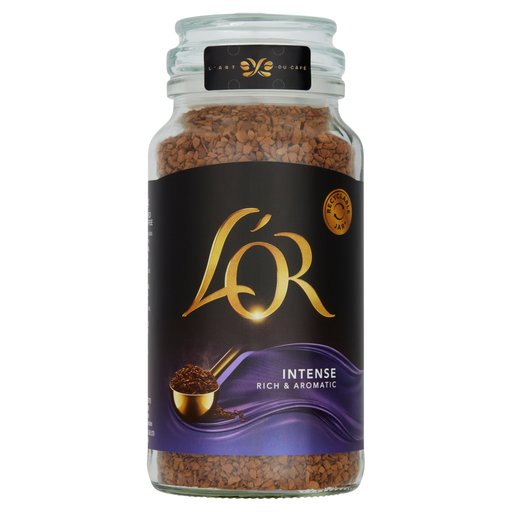
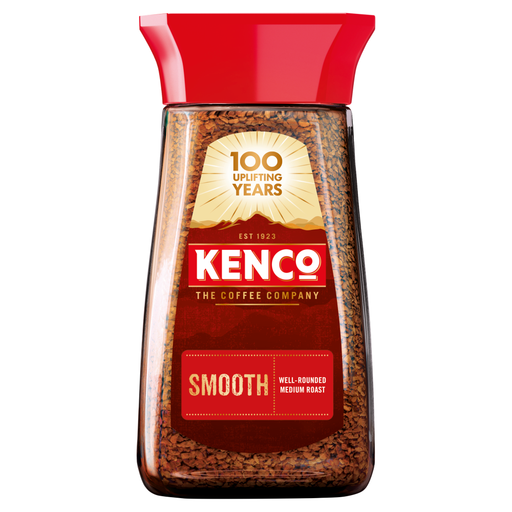
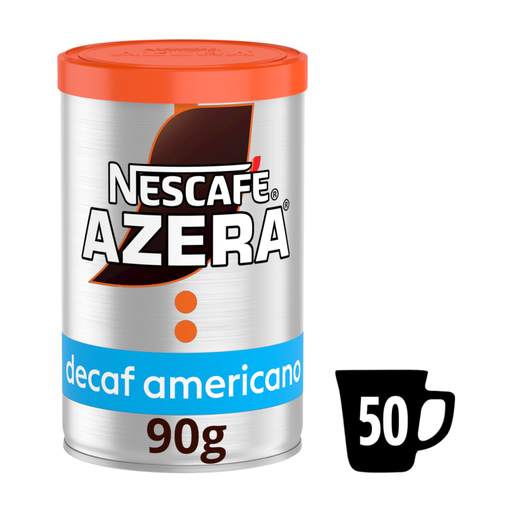
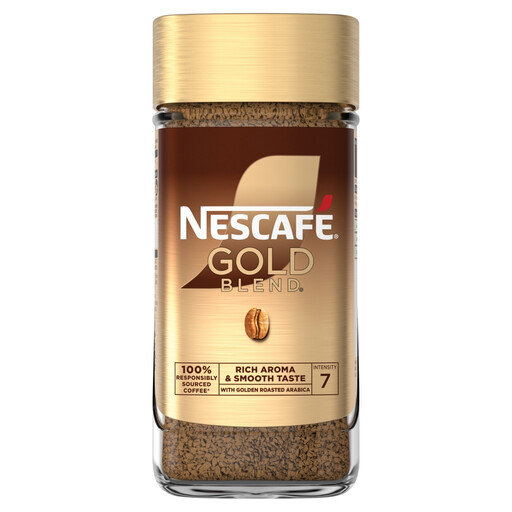
These are jar-sized coffee options to consider for a measured refreshment station, including a decaf choice. Plan their portions from the exact product’s preparation and serving information rather than treating pack weight as an 80-cup count.
 No image available
A 150g coffee pack to consider where servings will be measured at the station. Check its preparation guidance and pack yield when planning the required cups.
 No image available
A 200g instant-coffee option for measured preparation. Use the selected pack’s serving guidance to plan quantities; its weight is not an 80-portion count.
 No image available
A 90g decaf option to identify separately from the main coffee supply. Check the pack’s preparation guidance, serving yield and current label before service.
 No image available
A 100g instant-coffee option where the station uses measured servings. Check the exact pack’s preparation instructions and yield before allocating cups.
 No image available
A 190g coffee option for a station with managed portions. Check the pack’s preparation guidance and yield, and use its current label for ingredient and allergen information.
Only if the chosen product makes one cup per stick and each attendee takes no more than one. Printerbase describes its Douwe Egberts 80-stick cappuccino pack as making one cup per stick; count expected cups across all breaks, including repeat servings, before ordering.
Not when attendees need black coffee or want to add their own milk. Printerbase describes its Douwe Egberts 80-stick cappuccino product as instant coffee mixed with skimmed milk, so identify it as a separate drink choice.
Check the ingredients and allergen declaration for each exact product, particularly premixed drinks containing milk. Keep that information accessible at the station; the Food Standards Agency’s catering guidance addresses allergen-information responsibilities for food businesses.
Include a separately identified decaf choice if it fits the drinks planned for attendees. Kenco describes its Decaf product as caffeine-free, but the cited product is a jar, so check the format and serving yield of the item you select.
It can supply a self-service station, but it is not a fixed-count substitute without a measured serving plan. Nescafé UK & IE directs users to prepare Original with one teaspoon and hot water; check the chosen pack’s serving guidance and provide a suitable measure.