Organisers using espresso or bean-to-cup machines
Choose whole beans for the installed machine and its programmed drinks. Check the venue’s dose and grinder settings, particularly if one hopper will supply both milk drinks and black coffee.


For a mixed conference crowd, choose the main beans around the venue’s machine and the drinks it will make, rather than the roast label alone. An espresso-capable blend is a starting point for bean-to-cup service, but filter coffee needs its own grind and recipe; trial the beans on the equipment before the event and plan a clearly identified decaf option.
Choose whole beans for the installed machine and its programmed drinks. Check the venue’s dose and grinder settings, particularly if one hopper will supply both milk drinks and black coffee.
Plan a main coffee alongside a separately identified decaf option. Agree how the venue will prepare each so staff can tell delegates which drink they are serving.
Check that the chosen beans suit each brewing method. Espresso, filter and cafetière service need different grinding and preparation, even when the beans are suitable for all three.
Start with the venue’s brewing equipment, then choose a flavour profile and pack plan for the drinks being served.
| Priority | What to check | Your needs |
|---|---|---|
| Brewing method | Check the methods named for the beans and ask for the venue’s grinder and recipe settings. Waitrose & Partners specifies 16–17 g ground fine for a 50 ml double espresso with its Espresso Beans, but gives different grinding guidance for filter and cafetière. | I need the beans to work with the machines on site, without treating one grind setting as suitable for every station. |
| Flavour profile | Compare the producer’s roast and flavour descriptions, then taste the coffee as it will be served. Lavazza describes Gran Crema as balanced, while Union describes Revelation as a dark roast with chocolate and caramel notes; these are descriptions of different products, not comparative tasting results. | If the station serves milk drinks and black coffee, I want to trial the main blend in both before committing to it. |
| Pack and storage | Use the venue’s actual dose and expected number of drinks to plan stock and refills. Compare pack formats; for its 1 kg Espresso Beans, Waitrose & Partners advises airtight ambient storage and use within two weeks of opening for the taste it recommends. | I want enough beans for each service period without opening more bags than the venue expects to use. |
| Decaf and additions | Check how decaf will be identified and prepared separately. Illy says its 250 g whole-bean decaf contains no more than 0.1% caffeine, not zero. For drinks with milk or other additions, arrange current ingredient and allergen information; Food Standards Agency guidance covers allergen information for catering food and drink. | Delegates who ask for decaf need a recognisable option, and anyone asking about drink ingredients needs an answer based on what the caterer is serving. |
Beans described as suitable for a brewing method still need the right grind, dose and extraction on the venue’s equipment. Espresso settings cannot simply be carried over to filter or cafetière coffee.
Ask which machines and recipes the venue uses, then trial the chosen beans and water setup before the event.
Delegates may ask for decaf, which should not be described as caffeine-free. Illy states that its whole-bean decaf contains no more than 0.1% caffeine; that figure does not describe other products.
Label the decaf option clearly and agree how staff will keep its beans and preparation distinct from the main coffee.
An opened bag needs storage appropriate to that product. For its Espresso Beans, Waitrose & Partners advises airtight ambient storage and use within two weeks of opening for best taste.
Plan stock around the venue’s dose and service schedule, follow each pack’s instructions and keep contingency bags sealed until needed.
Milk, plant drinks, syrups and accompaniments can change the ingredient and allergen information needed at a coffee station. Food Standards Agency guidance addresses allergen information for both prepacked and non-prepacked catering food and drink.
Check current labels for every addition and make sure serving staff know how delegates can obtain the caterer’s allergen information.
These product-line examples offer different starting points for a venue trial; a brand’s flavour description does not establish how its beans will taste from your machine.
An espresso-focused reference for venues using espresso or bean-to-cup equipment.
A multi-method Classico option and a separate whole-bean decaf option.
Rich Italian offers several pack sizes for a trial and subsequent service planning.
Revelation is an espresso or bean-to-cup option when the organiser wants to trial a darker profile.
A house-blend reference for organisers considering a bean, ground-coffee or pod format.
A 1 kg espresso-bean option with product-specific dose and alternative brewing instructions.
These beans offer main-coffee and decaf options for a conference station. Choose against the venue’s equipment and expected drinks, then confirm the recipe and handling arrangements before service.
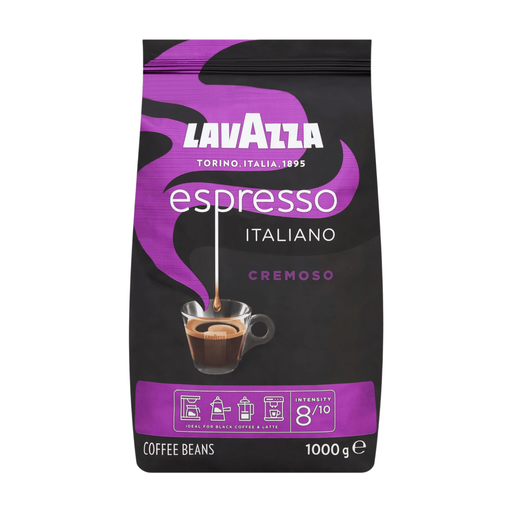 No image available
A 1 kg whole-bean option to consider for the main conference station. Confirm its brewing suitability with the venue and trial the grinder setting and dose before service.
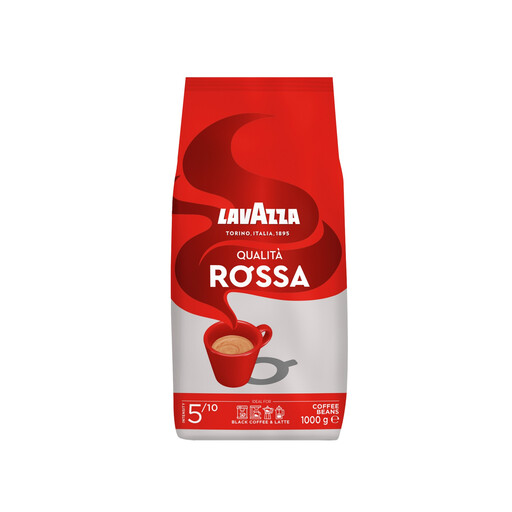 No image available
The 1000 g pack is a format to assess against the venue’s planned main-coffee volume. If serving more than one brewing method, confirm the product’s instructions and set the grind and recipe for each.
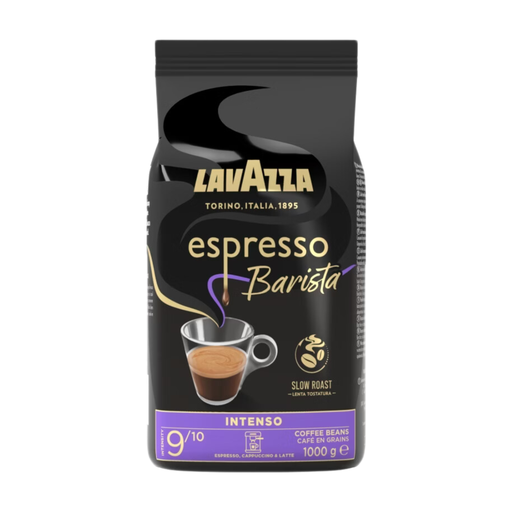 No image available
Consider this 1 kg option where the station plans to trial an Intenso blend. Taste it in the intended milk and black-coffee drinks, and set the venue machine’s grind and dose before choosing it as the main bean.
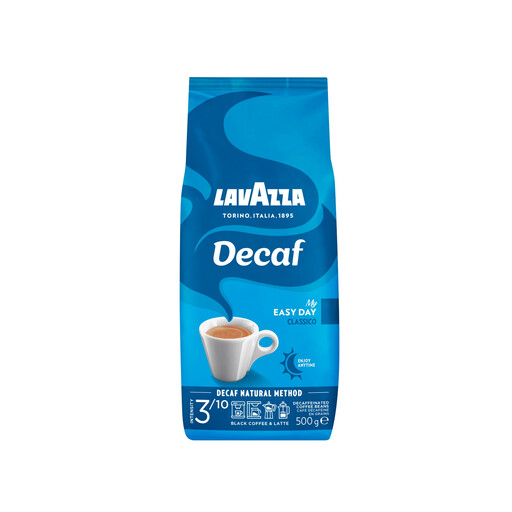 No image available
A 500 g decaffeinated whole-bean option for a separately identified station. Check the current pack for caffeine and brewing information, and agree separate preparation with the venue; do not describe decaf as caffeine-free.
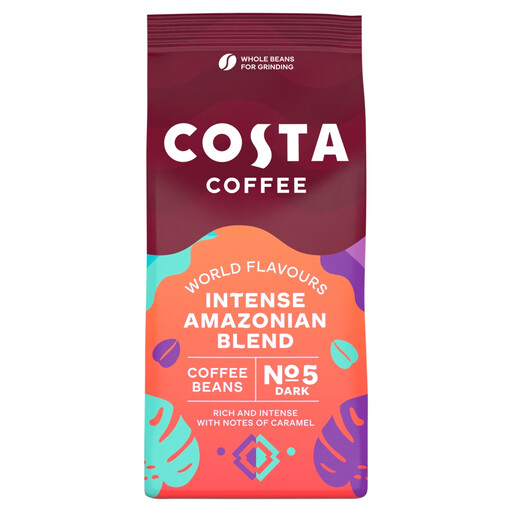 No image available
Consider this named dark blend if the station deliberately wants to trial that profile. Taste it in the planned drinks and check the pack size against expected attendance before relying on it for a service period.
It depends on the machine’s dose. Using Waitrose & Partners’ guidance of 16–17 g for a 50 ml double espresso, 1 kg represents roughly 58–62 doses before grinder adjustments, purging and waste. Use the venue’s programmed recipe to plan stock.
Yes, if that bean is listed for the methods and the venue prepares each one differently. Illy UK lists Classico for espresso and filter, while Waitrose & Partners gives fine grinding for espresso, medium for filter and coarse for cafetière with its Espresso Beans. Trial each intended recipe.
Make decaf identifiable and agree a preparation process that avoids mixing it with caffeinated beans. Do not call it caffeine-free: illy UK, for example, states that its whole-bean decaf contains no more than 0.1% caffeine.
Check every drink addition and make the caterer’s current allergen information accessible to delegates. Food Standards Agency guidance addresses allergen information for both prepacked and non-prepacked food and drink in retail and catering; milk, plant drinks and syrups should not be overlooked just because the main purchase is coffee beans.
Follow the instructions for the beans being served and plan how much stock to open at a time. For its Espresso Beans, Waitrose & Partners advises reclosing the pack, storing the beans airtight in ambient conditions and using them within two weeks of opening for best taste.