Organisers running a drinks station
Shared bottles can work where attendees have cups and drinks can be kept chilled. Keep the delivered labels accessible so staff can answer ingredient questions.


Choose 2-litre no-added-sugar lemonade bottles for a conference drinks station with cups and chilled storage; choose cans when attendees need sealed individual servings. Check whether the menu calls for lemon lemonade or can accommodate a lemon-and-lime alternative, then read the delivered packs for sugars, sweeteners and allergen information before service.
Shared bottles can work where attendees have cups and drinks can be kept chilled. Keep the delivered labels accessible so staff can answer ingredient questions.
Sealed cans suit a setup in which attendees collect an individual drink rather than pour from a shared bottle. Confirm the required pack count and supplier availability before the event.
A no-added-sugar claim does not answer questions about sweeteners or sulphites. Check the exact product label against guest requirements instead of relying on a generic drinks description.
Decide how drinks will be served before choosing a pack. Then compare flavour and label details on the same basis, such as per 100 ml, where the products provide it.
Choose when: A staffed or self-serve station has cups and space to chill 2-litre bottles of lemon lemonade.
Allow for: Pouring, opened-bottle storage and the absence of individually sealed portions.
Choose when: Guests need a sealed drink to collect during a break.
Allow for: Handling and chilling each can, and checking that the selected flavour meets the menu brief.
Choose when: The menu can offer a lemon-and-lime fizzy drink rather than conventional lemon lemonade.
Bear in mind: A zero-sugar lemon-and-lime drink does not establish that a pack carries the exact no-added-sugar wording in the catering brief.
| Priority | What to check | Your needs |
|---|---|---|
| Drink and label | Check the exact no-added-sugar claim; compare declared sugars and energy on the same per-100-ml or serving basis. Confirm whether the flavour is lemon or lemon-and-lime. | I need a fizzy lemon drink that matches the menu wording, not just a drink with a similar-sounding name. |
| Serving format | Plan cups and pouring for 2-litre bottles, or count 330 ml cans for sealed servings. Check the pack size and where drinks will be chilled. | For a drinks station, I can serve from bottles. For a short grab-and-go break, I need portions guests can collect individually. |
| Ingredients | Read the delivered pack for sweeteners, any phenylalanine statement and declared sulphites. Keep product information accessible at the serving point. | I need to answer ingredient questions using the drink being served, particularly where attendees have stated dietary requirements. |
| Opened bottles | Check refrigeration and use-after-opening instructions on each bottle. Plan how much can be poured during each service period. | If the conference runs over several days, I need a way to store opened bottles and follow their pack instructions. |
Fruit ingredients can contribute sugars, and the listed lemonades use different sweeteners. Those three descriptions do not mean the same thing.
Write the catering requirement precisely, then check both the nutrition panel and ingredients on the delivered pack.
Tesco and Sainsbury's list sulphite-containing ingredients in the cloudy lemonades described here. GOV.UK allergen guidance for food businesses covers information supplied with food and drink in catering.
Keep the exact pack label or supplier ingredient information available to serving staff, and check any proposed alternative separately.
Shared bottles require cups, pouring and management of opened drinks; they cannot be handed out as sealed individual portions.
Set the service method before ordering: use bottles for a drinks station or seek cans when guests need to take an individual drink.
A product listing does not establish stock for the event location and date.
Confirm the required quantity and delivery arrangements with the chosen supplier before finalising the drinks menu.
These examples illustrate bottle, can and flavour choices; check the exact variant and delivered label rather than applying one product's details to a whole brand.
Its 2-litre no-added-sugar cloudy lemonade is a shared-bottle option for a drinks station.
Its Cloudy Lemonade No Added Sugar comes in a 2-litre bottle for shared pouring.
M&S Diet Lemonade is a 2-litre clear lemon drink option.
R. White's Diet Lemonade offers a 330 ml canned format for individual service.
Sprite Zero is a lemon-and-lime alternative where conventional lemon lemonade is not required.
These canned drinks suit a conference break where guests collect sealed portions. The 7UP and Sprite lemon-and-lime options are alternatives to conventional lemon lemonade; check each delivered pack if the brief requires the exact words “no added sugar”.
 No image available
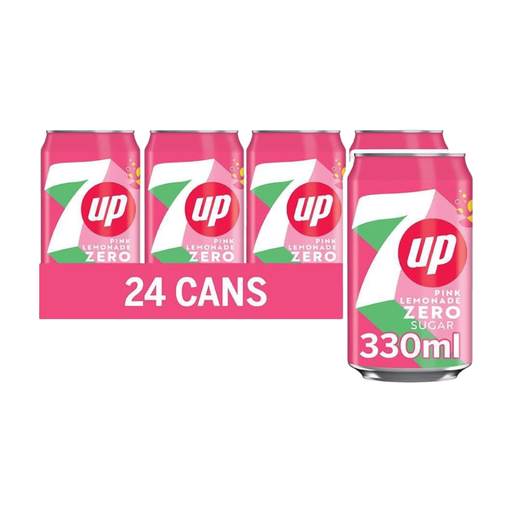
The 24-can pack is an option for sealed individual servings. Its product description calls the drink 7UP Free Pink Lemonade, while the title says Lemonade Zero: confirm the flavour and pack identity before service. Check the delivered label for the required no-added-sugar claim, sweeteners and phenylalanine statement.
 No image available
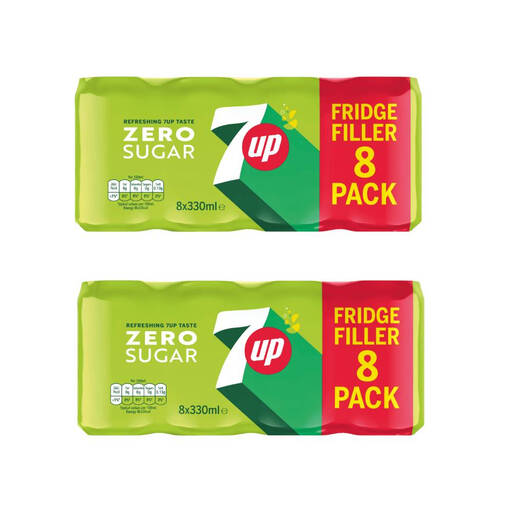
This 16-can pack provides sealed portions if a lemon-and-lime drink fits the menu. It is not the same flavour style as conventional lemon lemonade. Check the delivered label for the exact no-added-sugar wording, sweeteners and phenylalanine statement.
 No image available
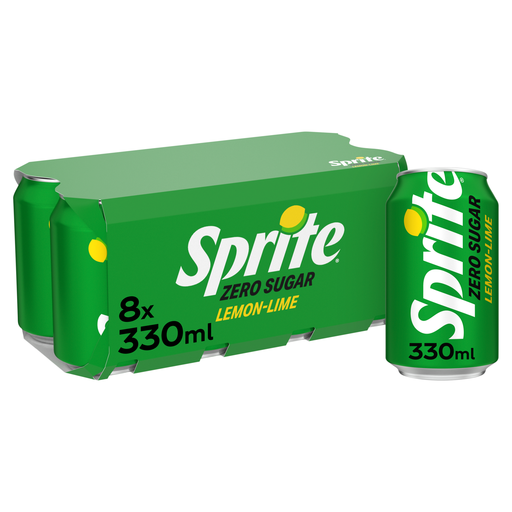
The eight 330 ml cans suit individual service where lemon-and-lime flavour is acceptable. Do not substitute them for lemon lemonade without checking the menu brief. Read the delivered label for the required claim, sweeteners and phenylalanine information.
 No image available
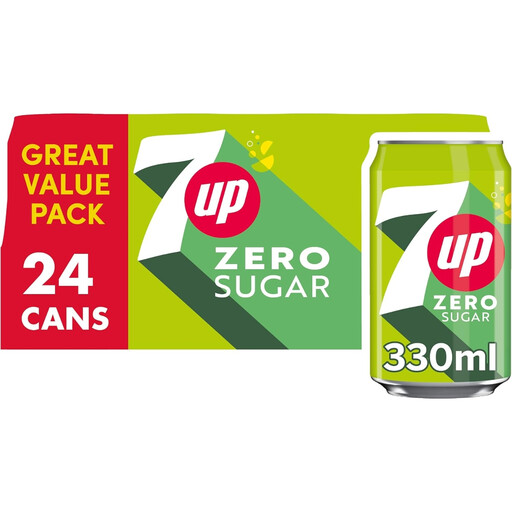
This 24-can pack is a lemon-and-lime option for sealed conference servings, rather than conventional lemon lemonade. Check the delivered label if the event brief specifies a no-added-sugar claim, and retain its ingredient information for attendees.
 No image available
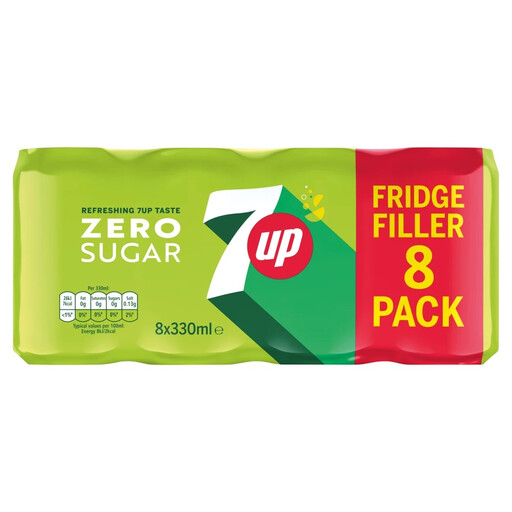
The eight-can format offers sealed portions when a lemon-and-lime drink suits the break. Check the delivered pack for its exact sugar claim, sweeteners and phenylalanine statement before listing it for guests.
No. Tesco lists 0.2 g sugars per 100 ml for its No Added Sugar Cloudy Lemonade, while Sainsbury's lists 0.6 g per 250 ml for its cloudy version. If zero sugars are required, check that figure on the exact pack rather than relying on the no-added-sugar wording.
A 2-litre bottle contains enough drink for eight 250 ml servings, the serving size used on Sainsbury's cloudy lemonade listing. Plan for the cup size and amount poured at your own event.
Yes. Tesco Cloudy Lemonade and M&S Diet Lemonade list sucralose, while the checked R. White's Diet Lemonade lists aspartame among its sweeteners. Read the ingredients of the variant being served if a guest needs to identify or avoid a particular sweetener.
Keep the exact delivered labels or accessible supplier information available so staff can answer questions about sweeteners and allergens. Tesco and Sainsbury's list sulphite-containing ingredients in the cloudy lemonades discussed here; GOV.UK's food-business allergen guidance addresses information provided in catering.
Follow each bottle's storage instructions. The checked Tesco, Sainsbury's and M&S 2-litre products instruct users to refrigerate after opening and consume within three days; also follow the venue's food-safety procedures.