Organisers running self-serve breaks
Plan how much can be chilled and put out at each break, who will replenish shared bottles, and how attendees will distinguish the drink choices.


Choose shared 2L bottles when a conference has cups, refrigeration and someone to manage the drinks station; choose individual portions when drinks need to reach registration desks or breakout rooms without pouring. Smaller sparkling bottles can suit table service, but you will need more of them for the same total volume. Whichever format you choose, identify any no-added-sugar option clearly and check its sweeteners and current label rather than assuming it suits every attendee.
Plan how much can be chilled and put out at each break, who will replenish shared bottles, and how attendees will distinguish the drink choices.
Keep the exact drinks identifiable so staff can answer questions about ingredients, sweeteners and any stated vegan or vegetarian suitability using current product information.
Consider individually portioned drinks for registration or breakout rooms where opened bottles, cups and a staffed serving point would be impractical.
Settle the serving format first, then compare the exact pack size, ingredients and storage instructions for the drinks you plan to offer.
Choose when: Cups, refrigeration and a managed drinks station are available.
Trade-off: Staff must open, replenish and manage bottles after opening; check sugar and sweeteners separately for each recipe.
Choose when: Drinks need to be handed out at registration or taken into breakout rooms.
Trade-off: There are more individual units to chill and manage, and portion sizes differ between packs.
Choose when: A smaller bottle and its particular flavour or presentation suit table service.
Trade-off: A 750ml bottle provides less total drink than a 2L bottle, so plan the number of bottles accordingly.
| Priority | What to check | Your needs |
|---|---|---|
| Serving format | Check the total volume, the stated serving size and whether each portion is sealed. ASDA Groceries lists eight 250ml servings for its 2L Schweppes bottle; Sainsbury's lists a six-pack of 330ml cloudy lemonade. | I can use shared bottles at a staffed drinks point, but I need separate portions for rooms without cup service. |
| Sugar and sweeteners | Compare the exact variants on the same per-serving or per-100ml basis. Tesco describes its 2L diet lemonade as no added sugar; Sainsbury's describes R. Whites 2L as containing sugar and sweeteners. | I want attendees to be able to tell the choices apart without assuming that a diet drink contains no sweeteners. |
| Flavour and ingredients | Check whether the brief calls for lemon lemonade, a lemon-and-lime drink or a cloudy fruit recipe. Coca-Cola GB describes Sprite as lemon-and-lime; the names are not interchangeable. | If the order specifically says lemonade, I want to check the exact flavour rather than rely on a familiar soft-drink name. |
| Ingredient information | Check the delivered label and keep information for the exact drink available at service. Food Standards Agency and Food Standards Scotland guidance says food businesses must provide allergen information for prepacked and non-prepacked food and drink. | Staff need to answer ingredient and allergen questions even when drinks are poured into cups away from their original packaging. |
| Storage and opening | Allow space to chill the selected packs; follow each label's instructions after opening. Open pressurised bottles carefully. | For several scheduled breaks, I need a plan for opened bottles rather than leaving them out as indefinite stock. |
A no-added-sugar lemonade, a drink containing sugar and sweeteners, and a lemon-and-lime soft drink may not meet the same catering brief.
Specify the flavour and any ingredient requirements, then check the label of the exact variant being served.
Shared bottles need cups and someone to handle opening and replenishment; they are less straightforward to distribute across separate rooms.
Match shared bottles to a managed drinks point and consider individual portions where drinks must travel with attendees.
Ingredient information for the drink being served must remain available to staff and attendees. Food Standards Agency and Food Standards Scotland guidance covers allergen information for drinks supplied by food businesses.
Check the delivered label and keep an ingredient record for the exact product used at the event.
These examples illustrate differences in format and recipe; the name alone does not establish that a drink meets your event brief.
Tesco Groceries lists a 2L sparkling diet lemonade for shared service.
Sainsbury's lists R. Whites Lemonade in a 2L bottle.
Sprite is described by Coca-Cola GB as a lemon-and-lime soft drink.
Sainsbury's lists a 2L diet lemonade and a six-pack of 330ml diet cloudy lemonade.
ASDA Groceries lists a 2L own-label diet lemonade for shared service.
M&S lists a smaller sparkling cloudy lemonade alongside its regular lemonade.
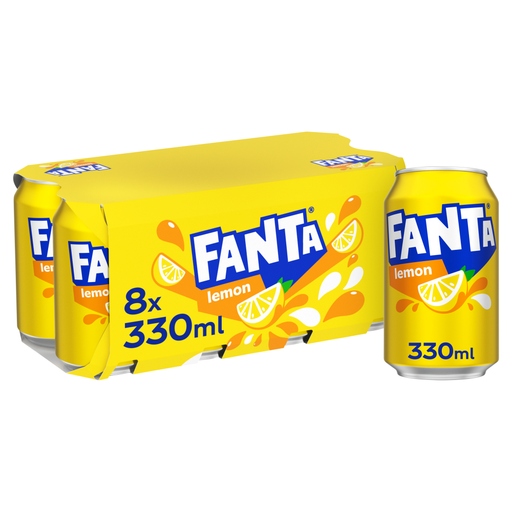
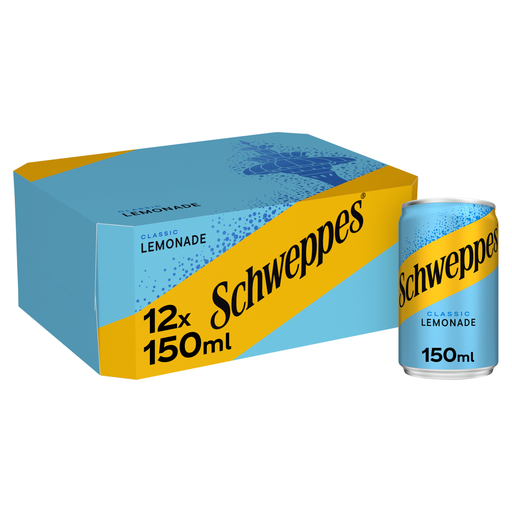
These Joybuy packs are options to consider for portioned conference drinks. Check each pack's container format and delivered label before relying on it for individual distribution or a particular ingredient requirement.
 No image available
The stated eight 330ml portions may suit drinks handed out away from a shared station. Check the container format and current ingredients on the delivered pack if individual distribution or a particular sweetener choice matters.
 No image available
The stated 150ml portion is smaller than the 330ml packs shown here, so check whether it suits the planned service. Confirm the individual containers and current ingredients on the delivered pack.
 No image available
Consider this Zero-labelled lemonade for the lower-sugar choice only after checking its current nutrition and sweetener information. It is described as a pink lemonade flavour; confirm the individual container format before ordering it for portioned service.
Plan around the serving size on the exact bottle. ASDA Groceries states eight 250ml servings for Schweppes Lemonade 2L and suggests eight servings for its own-label diet lemonade; adjust the number of bottles to your expected pours rather than assuming every attendee will have one serving.
Yes, when operating as a food business: Food Standards Agency guidance for England, Northern Ireland and Wales and Food Standards Scotland guidance say allergen information must be provided for prepacked and non-prepacked food and drink. Keep information for the exact drinks served available to staff and attendees.
No. Tesco Groceries describes its sparkling diet lemonade as containing sweeteners as well as having no added sugar. Check the ingredient list of each variant and identify the options separately on the drinks table.
Follow the storage and opened-life instructions on the exact bottle, and plan fridge space before service. Do not treat a bottle opened for one break as unopened stock for a later event; open pressurised bottles carefully.