Self-service conference caterers
Individually portioned tea bags suit a station where delegates add water and steep their own drinks. Keep the instructions and the exact product’s ingredient and allergen information accessible to service staff.


For a self-service conference tea point, matcha-containing tea bags offer individual portions that guests can steep, but the ingredient list determines how much matcha the drink contains. Choose pyramid whole-leaf bags if that bag format matters and green tea is acceptable; the JING and teapigs examples here are not matcha. If the brief calls for a drink made from ground matcha leaf, plan for 100% matcha powder and the equipment and instructions needed to prepare it.
Individually portioned tea bags suit a station where delegates add water and steep their own drinks. Keep the instructions and the exact product’s ingredient and allergen information accessible to service staff.
Specify whether the pyramid shape or matcha itself is essential. JING and teapigs describe whole-leaf pyramid bags, while matcha is ground powder prepared as part of the drink.
Use 100% matcha powder or portioned powder when the menu promises a drink made from ground matcha leaf. Allow for measured water, mixing equipment and clear preparation instructions rather than assuming it can be served like a tea bag.
Settle what “matcha” means on the menu before choosing a bag format or planning the tea station.
Choose when: Guests need a portioned green-tea infusion they can prepare at the hot-water point.
Trade-off: The Clearspring and Pukka examples list only 2.5% and 2% matcha respectively, so neither is a drink made entirely from whisked matcha.
Choose when: The pyramid-bag presentation is the firm requirement and green tea is an acceptable menu description.
Trade-off: The JING and teapigs whole-leaf pyramid examples are green-tea infusions, not matcha powder.
Choose when: Delegates should receive a drink prepared from ground matcha leaf rather than steeped tea.
Trade-off: Powder needs measured water and whisking or another mixing method, adding a preparation step at a busy station.
| Priority | What to check | Your needs |
|---|---|---|
| Service method | Check the preparation method on the pack, the infusion time for bags and whether powder needs measuring and mixing. Clearspring specifies 1–2 minutes for Matcha Sencha sachets; JING specifies 80°C and three minutes for its Sencha bags. | I need delegates to prepare their own cups without a member of staff whisking each serving. |
| Matcha content | Read the ingredient declaration rather than relying on “matcha” in the name. Clearspring lists 2.5% matcha in Matcha Sencha; the Pukka listing at Waitrose lists 2% in Supreme Matcha Green. | Our menu must distinguish a green-tea blend containing matcha from a drink made with 100% matcha powder. |
| Bag format | Confirm both the bag shape and its contents with the supplier. JING describes whole-leaf pyramid bags; teapigs describes its Tea Temples as pyramid bags containing whole leaves. A pyramid bag does not by itself establish matcha content. | If pyramid bags are specified for the tea station, I need to know whether green tea meets the brief. |
| Portion planning | Check the bag or sachet count on the exact pack being ordered, and decide how preparation instructions will be displayed beside the hot water. | I need enough individual portions for the service plan and instructions that guests can follow at the station. |
| Ingredient information | Keep the delivered pack and current ingredient and allergen information available. GOV.UK guidance for England, Northern Ireland and Wales and Food Standards Scotland guidance cover allergen information for prepacked and non-prepacked food and drink. | Staff need to answer questions about the exact drink being served, including anything added when it is prepared. |
A pyramid bag describes the bag format, not the ingredient. JING’s Sencha bags and the reviewed teapigs green-tea Temples are infusions rather than drinks made from ground matcha.
Write the brief as either “pyramid green-tea bags” or “100% matcha powder”. If both matcha and pyramid bags are required, confirm both attributes on the exact product specification before naming it on the menu.
Clearspring Matcha Sencha lists 2.5% matcha, and the Pukka Supreme Matcha Green listing at Waitrose lists 2%. Those ingredient declarations describe blends, not 100% matcha powder.
Check the delivered pack’s ingredient declaration and describe the drink accordingly. Use a product specified as 100% matcha powder if that is what the catering brief requires.
Product instructions differ: Clearspring Matcha Sencha specifies a 1–2 minute infusion, while JING specifies 80°C water and three minutes for its Sencha bags.
Display the instruction for the exact product at each hot-water point, especially if more than one tea is offered.
For catered drinks, staff need information for the products actually served. GOV.UK guidance for England, Northern Ireland and Wales and Food Standards Scotland guidance require food businesses to provide allergen information for prepacked and non-prepacked food and drink.
Keep current labels and ingredient records accessible throughout service, including for ingredients added when a drink is prepared.
These brand examples help distinguish matcha blends, whole-leaf bags and powder; they do not establish that a particular format is available among the Joybuy products below.
Clearspring lists Matcha Sencha tea sachets as well as separate matcha powder and portioned-powder products.
JING describes whole-leaf tea in pyramid bags and offers matcha separately as powder.
teapigs calls its pyramid whole-leaf bags Tea Temples.
These individually portioned green-tea options may suit a self-service conference station. Check the delivered packs before describing either as a pyramid bag or deciding how to prepare it; neither replaces a drink made from 100% matcha powder.
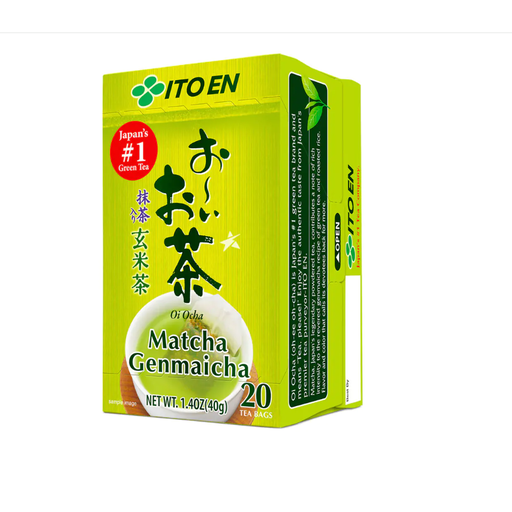 No image available
The tea-bag format offers individual portions for a self-service point. The product name specifies 20 bags and 40g; check the delivered pack for its ingredients, bag construction, preparation directions and allergen information before finalising the menu and station instructions.
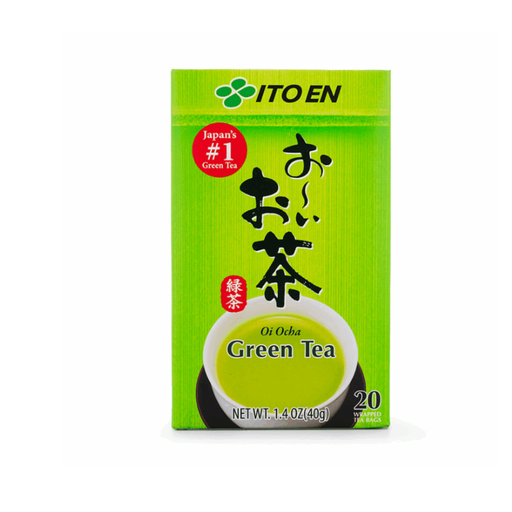 No image available
The named pack of 20 tea bags can be considered when individual green-tea portions suit the station. Confirm the delivered pack’s ingredients, brewing directions and allergen information; check its bag construction separately if a pyramid shape is required.
No. Clearspring Matcha Sencha sachets list 2.5% matcha alongside sencha, while the Pukka Supreme Matcha Green listing at Waitrose lists 2% matcha alongside green tea. Matcha powder is mixed into water and consumed rather than steeped in a bag and removed. Check the ingredients before wording the conference menu.
Not on shape alone. JING and teapigs describe pyramid whole-leaf tea bags, but their cited green-tea products are not matcha powder. If the request is for a drink made from ground matcha leaf, specify that ingredient and its preparation method rather than substituting a pyramid green-tea bag.
Display the instructions for each product being served. Clearspring specifies a 1–2 minute infusion for Matcha Sencha sachets, while JING specifies 80°C water and three minutes for its Sencha bags. A shared instruction could misstate how one of those products should be prepared.
Food businesses must provide allergen information for prepacked and non-prepacked food and drink. GOV.UK gives this guidance for England, Northern Ireland and Wales, and Food Standards Scotland provides guidance for Scotland. Keep information for the exact products and any added ingredients available to the people serving delegates.