Organisers catering for seated delegates
Keep water available and consider a clearly labelled zero-sugar flavoured option. A sports drink need not be the default refreshment when exercise is not part of the programme.


For a predominantly seated conference, make water the default and offer a clearly identified zero-sugar drink if attendees want a flavoured alternative. Add a carbohydrate-containing isotonic drink for a programme with a genuine exercise-related need, rather than treating the two types as interchangeable. Check the exact drinks’ current labels and keep ingredient and allergen information accessible when serving them.
The drinks choice changes with the programme and the way beverages will be served, not simply with the number of delegates.
Keep water available and consider a clearly labelled zero-sugar flavoured option. A sports drink need not be the default refreshment when exercise is not part of the programme.
If delegates will take part in sustained physical activity, consider whether an additional carbohydrate-containing isotonic drink fits that session. Order it for the activity brief rather than assuming every attendee needs one.
Keep current ingredient and allergen information available to attendees. This takes particular care when drinks are mixed, decanted or served away from their original packs.
Set the refreshment brief first, then compare the exact drink’s nutrition panel, serving format and ingredient information. A zero-sugar choice and a carbohydrate-containing exercise drink answer different requirements.
Choose when: Delegates want a flavoured option alongside water without sugar in the selected drink.
Trade-off: Do not count on it to provide carbohydrate for an activity brief; Tesco lists 0g carbohydrate per 100ml for POWERADE ZERO Berry Tropical.
Choose when: An active part of the programme specifically calls for a carbohydrate-containing sports drink.
Trade-off: It is not a zero-sugar alternative: Coca-Cola GB lists 4.1g sugars per 100ml for Powerade Berry & Tropical Fruits.
| Priority | What to check | Your needs |
|---|---|---|
| Sugar and carbohydrate | Read both figures per 100ml on the exact pack. Tesco lists 0g of each for POWERADE ZERO Berry Tropical; Coca-Cola GB lists 4.1g of each for Powerade Berry & Tropical Fruits. Check any replacement product separately. | I’d like a flavoured choice without sugar for delegates who do not want a sugary drink. |
| Activity brief | Identify the activity, its duration and the drink function required before ordering. Do not assume a zero-sugar product supplies carbohydrate or that a seated session needs an isotonic drink. | Our programme includes physical activity, so I need to decide whether a separate carbohydrate-containing option belongs at that session. |
| Ingredients and allergens | Keep the current ingredients and allergen information for every selected drink. If drinks are mixed or decanted, make accurate information accessible at the service point; the Food Standards Agency and Food Standards Scotland set out allergen-information duties for food businesses serving prepacked and non-prepacked drinks. | Attendees should be able to identify what is in their drink before taking it, even when the original bottle is not on display. |
| Serving format | Compare ready-to-drink packs with the water and preparation needed for a mix. Gatorade UK instructs users to mix one Hydration Booster sachet with 500ml of water. Confirm pack sizes, event-date stock and any proposed substitutions. | For self-service breaks, bottles may simplify serving; for sachets, we need a workable way to measure and provide the water. |
For a flavoured drink that is not intended as exercise fuel, a zero-sugar soft drink is another route. Lucozade describes its Zero range as sparkling soft drinks, rather than carbohydrate-containing isotonic drinks. Keep that distinction clear if an active session has its own drinks brief.
Products under the same broad category can have different nutrition profiles. Coca-Cola GB lists 4.1g sugars per 100ml for Powerade Berry & Tropical Fruits, while Tesco lists 0g per 100ml for POWERADE ZERO Berry Tropical.
Specify whether the order calls for zero sugar, a carbohydrate-containing isotonic drink or a drink mix, and check the nutrition panel of the exact product being supplied.
A seated conference does not, by itself, call for carbohydrate-based exercise fuel. The NHS advises keeping the frequency and amount of sugary drinks as low as possible.
Provide water as the baseline, then choose any flavoured or activity-specific options to match the programme.
Tesco showed its POWERADE ZERO Berry Tropical 500ml product as out of stock when the cited listing was checked. A product listing cannot confirm supply for a future event.
Confirm the chosen pack size, stock, delivery timing and acceptable substitutions before fixing delegate quantities.
Mixing or decanting drinks can leave attendees without the original label at the point of service. The Food Standards Agency and Food Standards Scotland state that food businesses must provide allergen information for prepacked and non-prepacked drinks.
Retain current pack details and make an accurate ingredient and allergen record accessible to serving staff and attendees.
These ranges illustrate different drinks briefs; check the exact product and pack rather than assuming that every item from a brand has the same nutrition or serving requirements.
Coca-Cola GB presents Powerade as a still isotonic sports-drink range for exercise-related use.
Lucozade positions this range for drinking during physical activity of varying intensity and duration.
Gatorade UK presents Hydration Booster as a drink mix supplied in sachets.
Lucozade describes this as a zero-sugar sparkling soft-drink range.
Tesco’s grocery listings can help an event buyer compare stated pack formats and product nutrition before ordering.
These ready-to-serve options cover activity-focused drinks and flavoured refreshment, including a non-sports soft drink. Match each pack to the relevant session and check its current label before ordering.
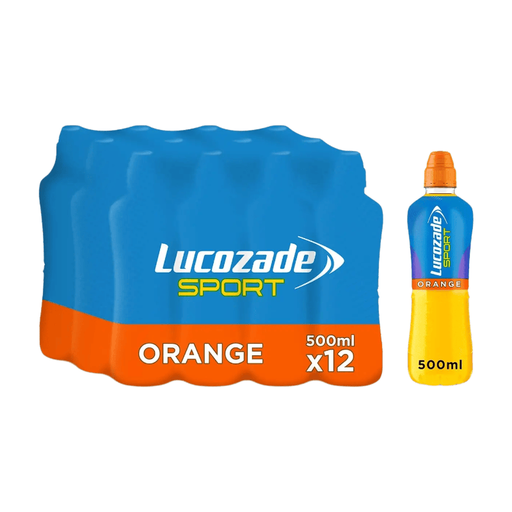 No image available
Consider this 12-bottle pack for a planned active session, rather than as the default drink for seated delegates. Check the exact pack’s nutrition and ingredient information against the event brief.
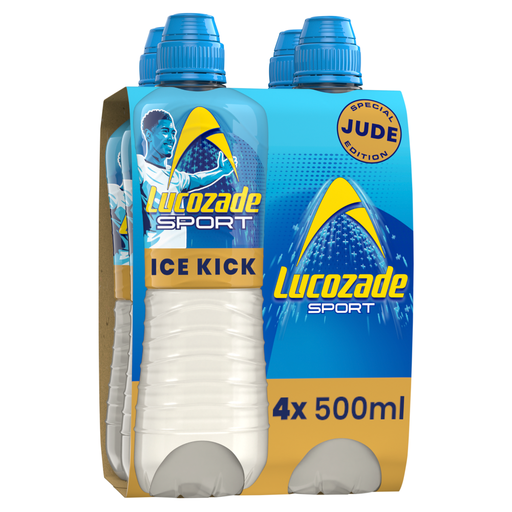 No image available
The four-bottle format is an option when drinks are being planned for a smaller active session. Confirm the current ingredients and nutrition panel, including any dietary information attendees may need.
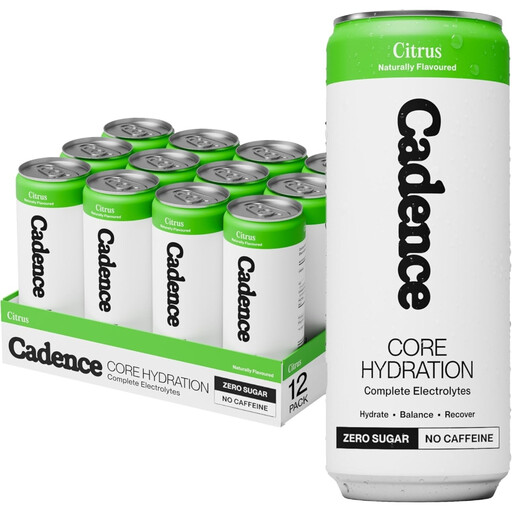 No image available
For a flavoured drinks option, compare this pack’s current nutrition and ingredients with the catering brief. If the brief calls specifically for an isotonic drink or carbohydrate provision, confirm those requirements separately.
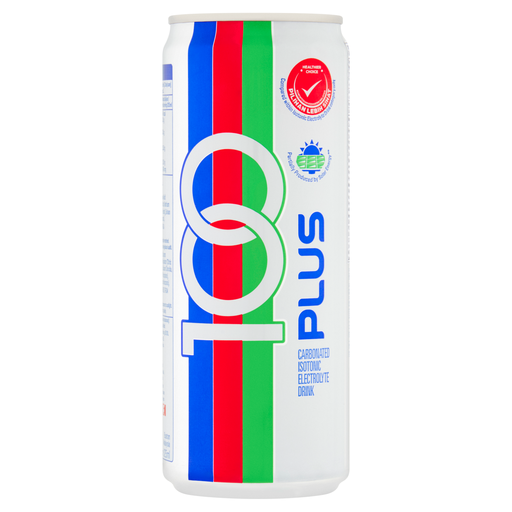 No image available
Consider this carbonated drink only where the active-session brief calls for an isotonic option and the serving format suits the event. Check the exact pack’s nutrition, ingredients and any dietary labelling before service.
 No image available
This is a non-sports soft-drink option for a flavoured refreshment brief, not a substitute for a carbohydrate-containing isotonic drink. Check the current can’s nutrition and ingredient label when confirming dietary choice.
No. Use water as the baseline and offer a flavoured zero-sugar option if it fits the catering brief; reserve carbohydrate-containing isotonic drinks for an exercise-related requirement. The NHS advises keeping the frequency and amount of sugary drinks as low as possible.
Not in the cited Powerade examples. Tesco lists 0g carbohydrate and 0g sugars per 100ml for POWERADE ZERO Berry Tropical, while Coca-Cola GB lists 4.1g of each per 100ml for Powerade Berry & Tropical Fruits. Check the exact drink against the activity brief rather than relying on the shared brand name.
Yes, if the venue can prepare them according to the selected product’s instructions and keep ingredient information available. Gatorade UK instructs users to mix one Hydration Booster sachet with 500ml of water; plan how that amount will be measured for each serving.
Food businesses must provide allergen information for both prepacked and non-prepacked drinks, according to the Food Standards Agency’s guidance and Food Standards Scotland. Check current product labels and keep accurate information accessible when drinks are mixed, decanted or served without their original packaging.
If an item meets the conditions for prepacked food or drink for direct sale, Food Standards Scotland states that UK rules applying since 1 October 2021 require its name and a full ingredients list, with any of the 14 declarable allergens emphasised. Confirm which serving and packaging arrangement applies before preparing labelled portions.