People using a conservatory with cold glazing
If the air feels dry where you sit, check relative humidity before adding moisture. Cold windows and frames make visible condensation an important signal to turn the output down or stop.


Choose a humidifier for a conservatory only after a hygrometer shows that the occupied space is dry. Adjustable output or a humidistat can help you respond to changing conditions, but stop or reduce humidification if condensation appears on the glazing. Match the tank and stated coverage to how you use the room, then account for cleaning, water quality and any replacement filters.
If the air feels dry where you sit, check relative humidity before adding moisture. Cold windows and frames make visible condensation an important signal to turn the output down or stop.
For work, relaxation or plant care, consider the occupied area and how often you are willing to refill the tank. A stated room-area rating is a starting point, not a promise for a glazed space with changing ventilation.
If frequent refilling or white mineral dust would be inconvenient, compare tank access and water instructions for ultrasonic models with the filter upkeep of evaporative designs. Levoit warns that tap water can produce white dust in ultrasonic humidifiers; Philips describes recurring filter replacement for applicable models.
Measure the conservatory's humidity before choosing an output level. Dorset Council gives around 40–55% relative humidity as a normal comfort reference for occupied homes and warns that levels regularly above 60% bring a higher risk of condensation and mould; watch the glazing as well as the reading.
Consider it when: You use a small occupied area occasionally and value a compact, manually adjustable unit.
Allow for: A smaller tank may mean more refills, while minerals in tap water can leave white dust.
Consider it when: You use a larger area for longer periods and want humidity feedback alongside a larger tank.
Allow for: Stated coverage cannot account for every change in draughts, temperature or cold glazing; check actual humidity and condensation.
Consider it when: Avoiding visible mist and managing mineral residue matter more to you than avoiding replaceable parts.
Allow for: Check the model's filter instructions and replacement availability before committing to the upkeep.
| Concern | What to check | Who this matters to |
|---|---|---|
| Condensation control | Use a hygrometer or humidistat, and check that output can be reduced or stopped. | I want relief from dry air without moisture collecting on the windows. Roughly 37% of consumers put humidity control first. |
| Coverage and refilling | Compare stated coverage, tank capacity and output with the area you actually occupy. | When I spend much of the day in a larger conservatory, frequent refills would interrupt use. For roughly 27% of consumers, coverage and refill burden are the main concern. |
| Quiet operation | Check the stated noise level for the mode you would use and whether output direction is adjustable. | I read or work in the conservatory and do not want the appliance to distract me. Quiet use comes first for roughly 18% of consumers. |
| Cleaning and consumables | Check tank access, water instructions and any model-specific replacement-filter requirements. | If mineral residue or filter changes would make upkeep difficult, I need to understand the routine before buying. Roughly 18% of consumers make maintenance their primary concern. |
More output is not necessarily useful beside cold conservatory glazing. Dorset Council warns that occupied homes regularly above 60% relative humidity face a higher risk of condensation and mould.
Measure humidity first, choose controllable output and reduce or stop use if condensation appears.
Levoit says minerals in tap water can create white dust with ultrasonic humidifiers and advises regular emptying and wiping.
Check the exact model's water and descaling instructions, and decide whether its refill and cleaning routine is practical for you.
Distilled water and additional cleaning time may become part of that routine.
Filter upkeep varies by model. Philips advises replacing applicable humidifier filters when alerted, usually every three months, and at least annually.
Confirm the replacement filter specified for the exact model and whether you can obtain it when needed.
A humidifier listing may describe a power cord that needs attention before use in Great Britain.
Confirm the supplied plug and product version with the seller, and check GOV.UK product-safety alerts and recalls for the appliance.
Levoit offers ultrasonic models ranging from the compact Classic 160 to the larger OasisMist.
Philips offers filter-based NanoCloud humidifiers for people considering an evaporative approach.
Blueair offers standalone humidifiers and combined purifier-humidifier products.
These humidifiers offer different tank sizes and approaches to conservatory use. Whichever model you consider, measure humidity in the occupied area and check its control and upkeep requirements before running it beside cold glazing.
 No image available
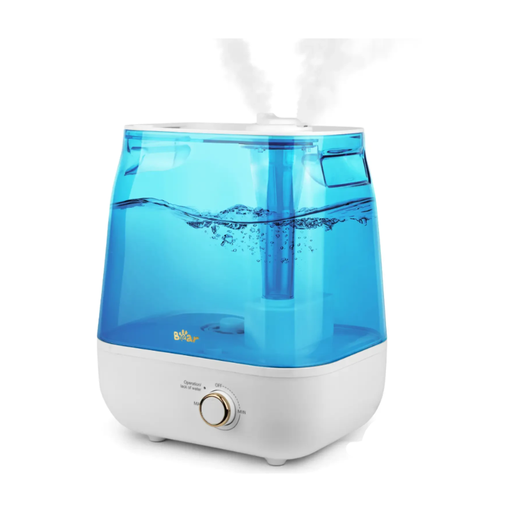
Consider this model if you want a larger tank and are prepared to monitor conservatory humidity separately.
Its title specifies a 6 L tank, a 360° nozzle and automatic shut-off. The stated 28 dB noise level is a product claim, not an independent measurement.
Check the applicable running time and control instructions for this model before planning long sessions; reduce or stop use if condensation appears.
 No image available
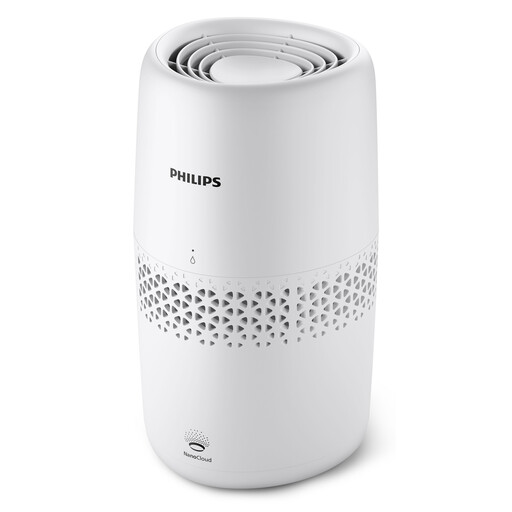
Consider this model if you prefer a filter-based humidifier, subject to checking its humidity controls and replacement-filter routine.
The listing identifies a standard EU power cord and says a suitable adapter is needed for UK use. Confirm the supplied plug arrangement and product suitability with the seller before buying.
Check the HU2510/10 instructions for its filter replacement requirements; do not apply the interval for a different Philips model automatically.
 No image available
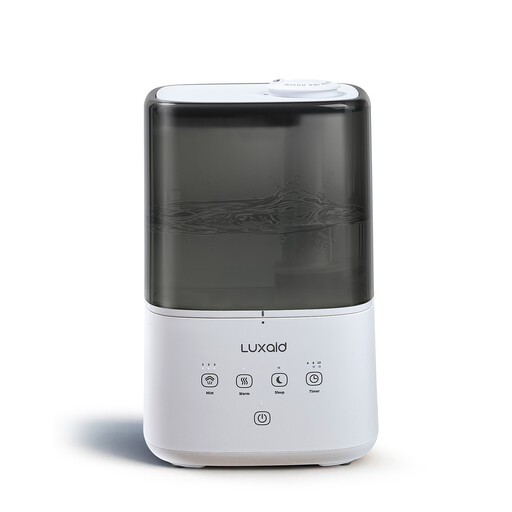
Consider its stated room coverage if you use a larger part of the conservatory, while checking humidity at the point where you sit.
The title states a 4.5 L tank, coverage up to 505 ft², a 360° nozzle and 4-, 8- and 12-hour timer settings. Coverage and the stated 20 dB sleep-mode noise level are product claims, not measured results for your conservatory.
Check the model's control and filter instructions, and reduce or stop humidification if moisture collects on the glazing.
 No image available
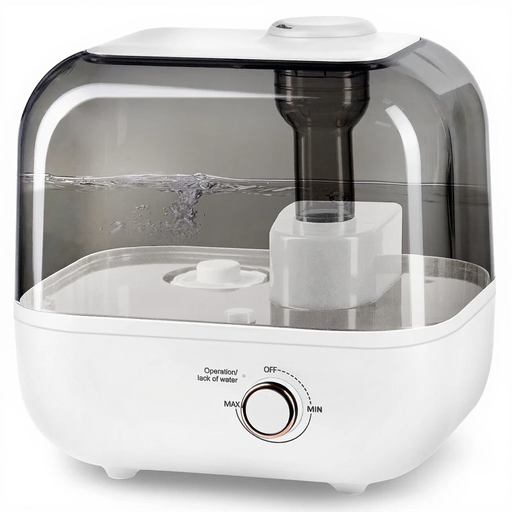
Consider this manually managed option if you can use a separate hygrometer and adjust humidification to the conservatory's conditions.
The product title identifies a 5 L model with a 360° nozzle. Check the tank specification, room coverage and running time for this exact variant before relying on it for longer use.
The stated 28 dB noise level is a product claim rather than an independent measurement.
Use a hygrometer and respond to both its reading and any condensation on the glazing. Dorset Council gives around 40–55% relative humidity as a normal comfort reference for occupied homes and says levels regularly above 60% increase condensation and mould risk. Reduce or stop humidification if nearby surfaces begin to collect moisture.
Put it on a stable surface where its output is not directed at glazing, furnishings or electronics, following the model's clearance instructions. Levoit recommends a position nearer the centre of the room where practical to help moisture circulate.
Distilled water can be a practical choice if mineral residue is a concern, but follow the instructions for your exact model. Levoit says tap-water minerals can create white dust with ultrasonic humidifiers; water choice does not replace regular cleaning.
Follow the model's cleaning and filter alerts rather than assuming one interval applies to every humidifier. Philips says applicable humidifier filters are usually replaced when alerted, typically every three months, and advises replacement at least annually. Confirm the filter specified for the model you intend to buy.
Check the exact product version, supplied plug and seller information before buying for use in Great Britain. GOV.UK's Office for Product Safety & Standards states that the Electrical Equipment (Safety) Regulations 2016 set requirements for electrical equipment placed on the Great Britain market; a listing alone does not establish that a particular appliance meets them. You can also check the GOV.UK product-safety alerts and recalls service for the model.