What to check before buying
Decide how children will sign in and play together before choosing the device format; then check the controls on the accounts and games they will actually use.
| Concern |
What to check |
Who this matters to |
| Child accounts, chat and purchases |
Separate child accounts; communication permissions and purchase approval or restrictions. |
If a child will play online, I want their own settings rather than access through an adult login. About 29% of consumers put child-account, chat and purchase controls first. |
| Space and playing together |
Where the screen will sit; whether the intended games and controller setup allow the family to play locally as planned. |
When several people share one room, I need a setup that fits the space and the way we take turns or play together. Roughly 21% of consumers make shared-screen practicality their primary concern. |
| Existing accounts and PC use |
Which family accounts are already used; whether controls cover the child’s games and services. |
If the household already uses Windows or Steam, I would weigh that setup against starting with a separate console ecosystem. About 21% of consumers prioritise fit with their existing accounts and PC use. |
| Playtime routines |
Per-child limits and activity reporting; how sign-in and sign-out affect the record. |
When siblings share a device, I need playtime limits that reflect who is actually signed in. Around 29% of consumers put routines and usage visibility first. |
Joybuy console selections
These consoles address two ways to share games at home: moving between portable and TV play, or using a fixed TV setup. Compare their account controls and the games your household intends to play before choosing either one.
 No image available
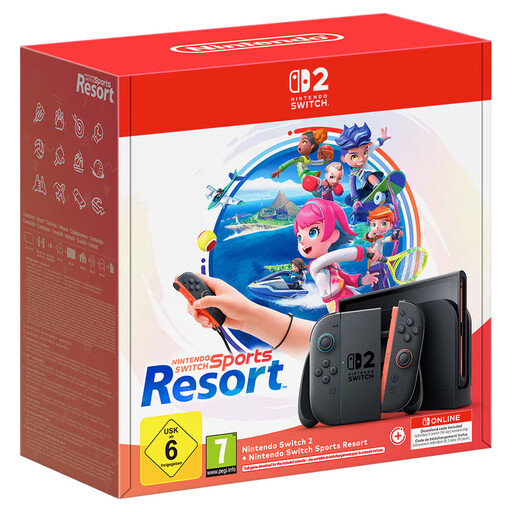
Nintendo Switch 2 Console + Nintendo Switch Sports Resort
Consider this bundle if the household wants a Nintendo Switch 2 for play in different rooms as well as on a shared screen. Nintendo UK says Switch 2 parental controls apply to everyone using the console, while GameChat has separate settings; check the controls and online-service conditions for the intended accounts before buying.
View on Joybuy
 No image available
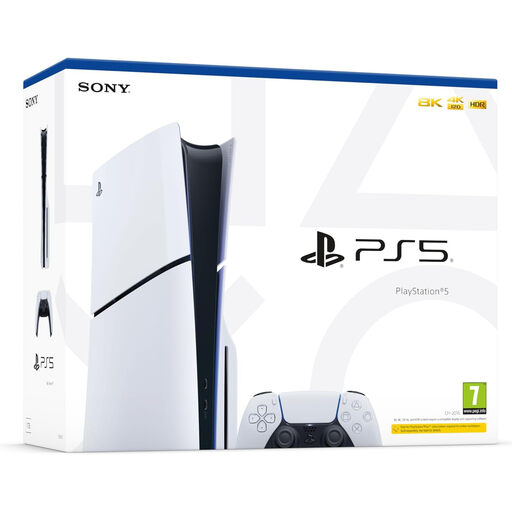
Sony PlayStation 5 Disc Edition Slim
Consider this console for a fixed, shared-screen gaming space if the household wants to use PlayStation child accounts. Sony Interactive Entertainment describes separate child accounts and family settings for communication, content, playtime and spending. Check the controller requirements of the games you intend to play together.
View on Joybuy
Questions about shared gaming
Should each child have an account on a shared console or PC?
Use a separate child account wherever the chosen platform supports one, so its settings apply to the right person. Sony’s UK PlayStation terms require a separate Child Family Member Account for each child; check the corresponding family-account setup on other platforms before handing over a shared device.
How can I manage a child’s digital-game purchases?
Configure purchase controls on the child’s account before play begins. Sony lists PlayStation spending restrictions, Microsoft describes purchase-approval tools, and Nintendo UK places eShop purchasing restrictions in the parent or guardian’s Nintendo Account settings.
Do parental controls cover voice chat?
Coverage depends on the platform and chat feature. PlayStation and Xbox describe child-account communication controls, while Nintendo says Switch 2 GameChat settings are separate from general console parental controls. Check the selected game’s chat settings as well.
What helps playtime limits work on a device shared by siblings?
Give each child their own account, connect the device to the relevant family group where required, and ask users to sign out when they finish. Microsoft notes that Xbox screen time continues to count while a child remains signed in, even if someone else is using the console.
Is a PEGI rating enough to choose a game for a child?
Use the PEGI rating to assess the game’s age suitability, then separately review its online interaction and purchase features. PEGI describes parental-control tools for managing games by rating alongside playtime, purchases and online interaction.


