Choose a console by checking which systems support the platform games you want, then consider your existing library and how you prefer to play. Nintendo Switch 2 suits handheld, tabletop and TV play; PS5 or Xbox Series S may make more sense when their respective games are your priority. PS5 Digital Edition and Xbox Series S cannot use game discs.
Who is choosing a console?
Players who want to move away from the TV
If you want to carry on playing in handheld mode or set a screen on a table, check the modes supported by the particular Switch model. Nintendo UK says Switch 2 supports handheld, tabletop and TV play, while Switch Lite cannot output to a TV.
Players with an existing game library
If you already own Switch or PS4 games, check individual titles before choosing new hardware. Nintendo UK cautions that some Switch games are not fully compatible with Switch 2; PlayStation UK says the overwhelming majority of PS4 games are playable on PS5, but compatibility is not universal.
Players comfortable with digital-only games
If you download your games and do not need discs, PS5 Digital Edition or Xbox Series S may fit your preferred format. Neither console accepts game discs, so an existing boxed-game collection needs a different hardware choice.
What matters when choosing?
Start with your must-play games: a console’s play modes and format are useful only if those games are available and compatible. These routes then lead to different trade-offs.
Nintendo Switch 2
Consider it when: You want Switch 2 games and a system that moves between handheld, tabletop and TV play.
Check first: Nintendo UK warns that some older Switch games are unsupported or not fully compatible.
Nintendo Switch or Switch OLED Model
Consider it when: Your chosen games are on the original Switch and you want handheld, tabletop and TV play.
Trade-off: This route does not give you access to Switch 2-only games. Switch Lite is a separate handheld-only choice without TV output.
PlayStation 5
Consider it when: Your wanted games are on PlayStation or you want to retain access to compatible PS4 titles.
Choose the format carefully: PS5 Digital Edition cannot use your PS4 discs; a disc-drive model is needed for compatible disc games.
Xbox Series S
Consider it when: Your chosen games are confirmed for Xbox and you prefer an all-digital console.
Trade-off: Series S cannot use boxed games; check each title’s console compatibility before relying on an older library.
| Concern |
What to check |
Who this matters to |
| Games and library |
Check each game’s listed platform and generation. For older titles, confirm compatibility with the new console. |
If the games on my list will not run on a console, its other features will not make up for that. Around 36% of consumers put access to their chosen games and existing library first. |
| Ways to play |
Confirm handheld, tabletop and TV modes for the exact model, plus the modes supported by your games. |
I want to keep playing when the TV is in use, or set up a game around a shared screen. Portable or flexible play is the primary need for around 29% of consumers. |
| Physical games |
Check for a disc drive and confirm that the console supports the older games you own. |
My boxed games matter to me, so a digital-only console would leave those discs unusable. Keeping physical-game access comes first for around 21% of consumers. |
| Family suitability |
Check each game’s PEGI age rating and content descriptors; assess controls and online features separately. |
When choosing games for a child, I need to judge the content as well as whether the game will suit their abilities. Around 14% of consumers make family suitability their primary concern. |
Mistakes to avoid
-
Buying the hardware before checking the games
A game on one console family is not automatically available on another, and support for older titles can have exceptions.
List the games you want to play soon, then check each game’s console generation and physical or digital format before choosing hardware.
-
Expecting discs to work in a digital-only console
PS5 Digital Edition has no disc drive, and Xbox Series S is all-digital. Neither can use an existing collection of game discs.
If boxed games matter to you, choose hardware with a disc drive and check that your titles are compatible.
Using a digital-only model instead means obtaining digital versions of games you previously owned on disc, if you want to play those titles on that model.
-
Assuming every Switch game transfers unchanged to Switch 2
Nintendo UK says some Switch games may be unsupported or only partly compatible with Switch 2; particular games may also need older controllers for certain features.
Check Nintendo’s title-specific compatibility information and any controller requirements for each game you intend to keep playing.
-
Using a PEGI rating as a difficulty rating
PEGI describes age suitability based on game content, not how demanding the controls or challenges will be for a child.
Look at the age rating and content descriptors, then assess the game’s controls, reading demands and play features separately.
Relevant brands to consider
Nintendo
Nintendo’s Switch family is relevant if handheld or shared-screen play matters alongside your choice of platform games.
- Nintendo UK says Switch 2 supports handheld, tabletop and TV play and can play compatible physical and digital Switch games.
- Play modes vary by model: Switch Lite cannot output to a TV. Some older Switch games may not work fully on Switch 2.
PlayStation
PS5 is relevant when your chosen games are on PlayStation or you have PS4 titles you want to keep playing.
- PlayStation UK says the overwhelming majority of more than 4,000 PS4 games are playable on PS5.
- Individual games and functions can differ. PS5 Digital Edition has no disc drive and cannot use PS4 game discs.
Xbox
Xbox Series S is relevant when your chosen games are confirmed for Xbox and you want a digital-only console.
- Xbox describes Series S as an all-digital system for building a digital game library.
- It cannot use physical discs; confirm support for each intended game rather than assuming every Xbox title works across generations.
Joybuy console choices
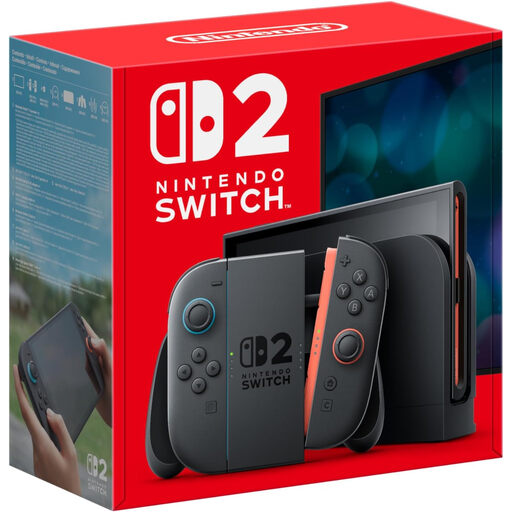
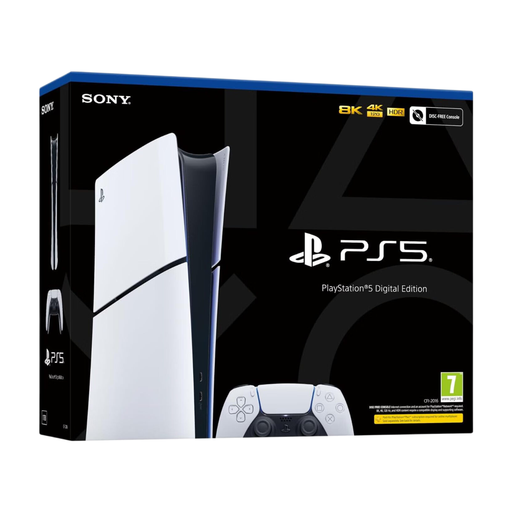
These choices cover Switch 2 for handheld, tabletop and TV play, and a PS5 Digital Edition for games available on PlayStation. Check your intended titles before selecting either console; the PS5 Digital Edition cannot use discs.
 No image available
Nintendo Switch 2 Console (UK Version)
Consider this console if your chosen games are on Switch 2 and you want to move between handheld, tabletop and TV play.
Nintendo UK says Switch 2 can also play compatible physical and digital Switch games. Check each older title you intend to use, as some are unsupported or not fully compatible.
View on Joybuy
 No image available
Sony PlayStation 5 Digital Edition (Slim Version)
Consider this model if your chosen platform games are available on PlayStation and you plan to use digital games rather than discs.
The Digital Edition has no disc drive, so it cannot use PS4 game discs. PlayStation UK says most PS4 games are playable on PS5, but check each intended digital title and any differences in its functions.
View on Joybuy
Common questions
Which console should I choose for platform games?
Choose the console that supports the specific games you want, then weigh how and where you will play them. Switch 2 offers handheld, tabletop and TV modes; PS5 or Xbox Series S may suit you when your chosen games or compatible existing library point to those platforms.
Will my Nintendo Switch games work on Switch 2?
Compatible physical and digital Switch games can run on Switch 2, but not every title works fully. Nintendo UK advises checking each game’s compatibility status before buying Switch 2 for an existing library.
Can I use PS4 discs with PS5 Digital Edition?
No: PS5 Digital Edition has no disc drive. If you need to use PS4 discs, choose a PS5 configuration with a disc drive and check each game’s compatibility.
Does a PEGI rating tell me whether a platform game is easy for a child?
No. The Games Rating Authority explains PEGI ratings in terms of age suitability based on content, not game difficulty. Check the age rating and content descriptors, then consider controls, reading demands and play features separately.


