Who is buying the beans?
The drinks on the breakfast table and the equipment in the kitchen matter more than an intensity number alone.
Hosts serving different coffee preferences
If some guests drink black coffee and others add milk, consider a medium roast before choosing a strongly roast-led espresso blend. Check the producer’s suggested brewing methods against the drinks you intend to make.
Espresso and bean-to-cup machine owners
Look for whole beans recommended for your brewing method. If cappuccinos and lattes are the main drinks, compare the stated roast and flavour notes with a gentler option for guests who prefer black coffee.
Occasional weekend coffee drinkers
A smaller bag means fewer beans remain open between breakfasts. If you choose a larger pack, consider dividing it into clean, dry airtight portions and follow that product’s storage directions.
What should you check first?
Start with your brewer and the drinks you will serve, then choose a pack size and storage method that fit how often you make coffee.
| Priority | What to check | Your needs |
|---|
| Brewing equipment |
Confirm that you can grind whole beans or have a bean-to-cup machine. Check the producer’s guidance for your espresso, cafetière or filter brewer. |
I need beans I can prepare with the equipment I already use, rather than a bag chosen by flavour alone. |
| Breakfast flavour |
Compare the stated roast, flavour notes and recommended brewing method. Union recommends its medium House Roast for cafetière or filter brewing and its darker Foundation blend for espresso or bean-to-cup machines. |
For black coffee, I may prefer a gentler, aromatic cup; if most drinks contain milk, I may want a more roast-led espresso option. |
| Pack size |
Match 200–250 g or 1 kg formats to how often you brew. Waitrose advises using its 1 kg Espresso Beans within two weeks of opening for the best taste. |
We only make breakfast coffee at weekends, so I would rather assess whether a smaller bag is easier to finish. |
| Storage and jars |
Check whether the bag reseals securely. For a separate jar, check its lid, usable capacity and suitability for food contact; protect the beans from light, heat and moisture. |
If I transfer beans to a jar, I want it to hold my usual pack and close properly, not simply look good on the worktop. |
| Sourcing claims |
Look for claims on the particular pack. M&S describes its Collection Colombian beans as Fairtrade; Union describes House Roast using its own direct-trade model. These are different types of statement. |
When sourcing matters to me, I want to know what the claim applies to before assuming it covers an entire brand’s range. |
Brand and range references
These examples show how named ranges differ; a brand’s inclusion here does not mean every product in its range has the same roast, sourcing claim or storage instructions.
Lavazza
Lavazza’s UK whole-bean range includes Qualità Rossa alongside espresso-focused blends, giving buyers different labelled intensities to compare.
- Compare the named blend and its suggested brewing uses with your breakfast setup.
- Do not treat a Lavazza intensity number as a standardised caffeine measurement.
illy
The illy Classico listing at Waitrose describes a medium-roast, 100% Arabica coffee with caramel, orange-blossom and jasmine notes.
- Its stated profile gives a reference for choosing an aromatic breakfast coffee.
- Flavour notes describe the product; they do not guarantee how every guest will experience the cup.
Union Hand-Roasted Coffee
Union recommends its medium House Roast for cafetière or filter brewing and its darker Foundation blend for espresso or bean-to-cup machines.
- The recommendations help separate a filter-led breakfast from an espresso-led one.
- Choose by the particular blend rather than assuming both have the same roast or brewing use.
M&S
M&S describes its Collection Single Origin Colombian Coffee Beans as Fairtrade, with nutty-caramel notes.
- The sourcing and flavour descriptions apply to a named product, making the pack a point of comparison.
- Follow the storage directions on the exact M&S pack rather than applying them to other beans.
Waitrose
Waitrose lists own-label and branded whole beans. Its product pages give storage directions that can differ between named coffees.
- Compare the individual pack’s format, brewing directions and sourcing label.
- The airtight, ambient-storage and two-week guidance for Waitrose Espresso Beans should not be applied to every coffee in its range.
Taylors of Harrogate
Waitrose lists Taylors of Harrogate Lazy Sunday and Rich Italian whole beans.
- The two named options give shoppers products to compare for a breakfast table.
- Check the chosen pack for its roast, brewing guidance and storage directions rather than inferring them from the range name.
Joybuy whole-bean options
These whole-bean packs offer options for breakfast brewing, from larger bags for regular use to a smaller bag for occasional cups. A storage jar, if needed, is a separate choice.
 No image available
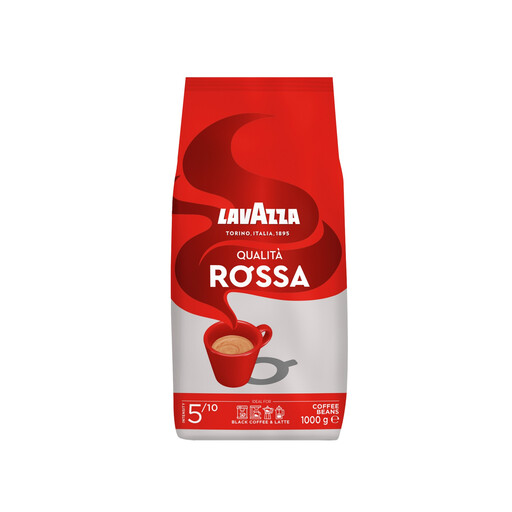
Lavazza Qualita Rossa Coffee Beans 1000g
Consider this 1 kg pack when you make breakfast coffee regularly or can portion the beans after opening. Joybuy’s description identifies a medium-roast Arabica and Robusta blend for espresso, filter coffee or French press; whole beans require suitable grinding equipment.
View on Joybuy
 No image available
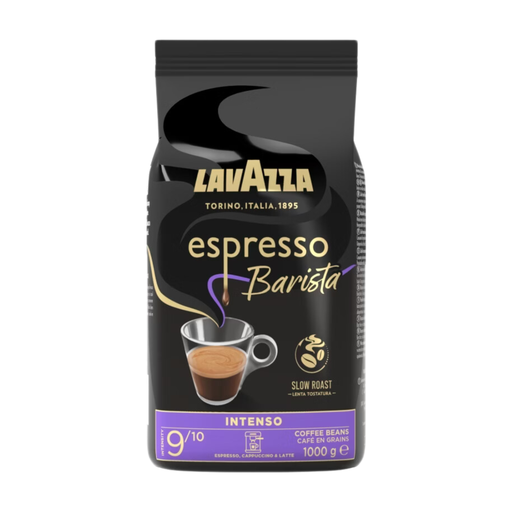
Lavazza Barista Intenso Beans 1kg
This 1 kg whole-bean pack is worth considering for a regularly used espresso or bean-to-cup setup. Check the pack’s brewing and post-opening storage directions, and consider whether you will finish or portion a bag of this size.
View on Joybuy
 No image available
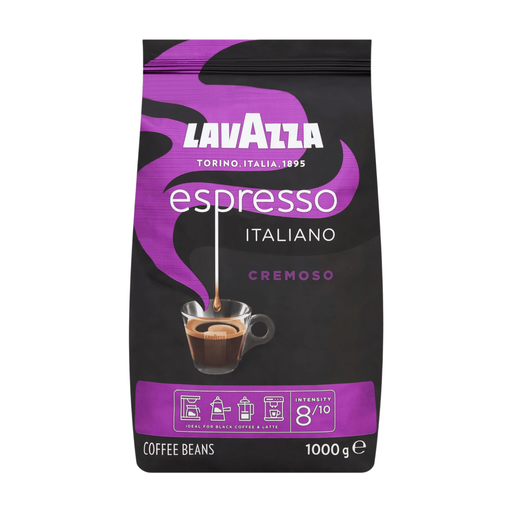
Espresso Italiano Cremoso Beans 1kg
This 1 kg whole-bean option makes more sense to assess for frequent breakfasts than for an occasional single cup. Confirm that its pack guidance suits your brewer and decide how you will keep the beans sealed after opening.
View on Joybuy
 No image available
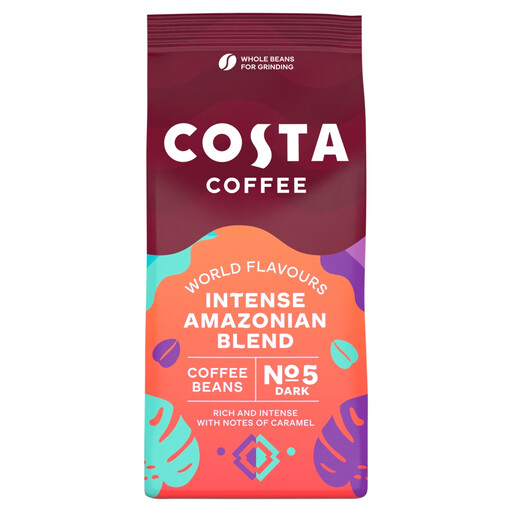
Costa Intensely Dark Amazonian Blend Coffee Beans 200g
The 200 g pack is a smaller-format option if you make breakfast coffee occasionally. Its Intensely Dark name points towards a roast-led choice; check the pack’s flavour and brewing descriptions if guests prefer a gentler cup.
View on Joybuy
 No image available
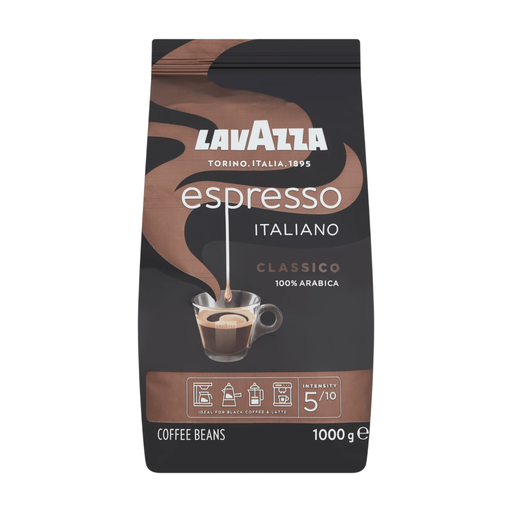
Lavazza Cafe Espresso Coffee Beans 1kg
For a breakfast setup that uses whole beans regularly, compare this 1 kg pack with your brewer and expected usage. Check its roast and tasting description before choosing it for particular guest preferences, and plan how to reseal or store it after opening.
View on Joybuy
Common questions
Which roast should I start with for a continental breakfast?
A medium roast is a starting point when guests have different preferences, but check the brewing recommendations as well as the roast. Union recommends its medium House Roast for cafetière or filter coffee and its darker Foundation blend for espresso or bean-to-cup drinks; neither route guarantees that every guest will prefer the resulting cup.
Do whole coffee beans need a separate jar?
Not if the original pack reseals securely and can be stored as its label directs. If you transfer the beans, use a clean, dry airtight container that holds the quantity you buy, and protect it from light, heat and moisture.
Should I refrigerate opened coffee beans?
Follow the instructions for the exact beans you buy rather than applying one rule to every pack. illy recommends refrigeration after opening, while Waitrose specifies airtight storage at ambient temperature for its Espresso Beans.
Is a 1 kg bag sensible for occasional breakfasts?
A smaller pack is worth considering if you brew only occasionally; otherwise, plan how to portion and seal a 1 kg bag. Waitrose advises using its 1 kg Espresso Beans within two weeks of opening for the best taste, a product-specific direction that makes usage rate relevant to this choice.


