Console-first local battle groups
Players who know whether the game will run on PS5, Xbox or Nintendo Switch and need enough compatible controllers for everyone. Check the game’s local-player limit as well as the console’s controller limit.


Choose controllers for the console and the specific arena game before considering how they look in a dark room: the game must support your planned number of local players and their controllers. Then check how players will identify their controllers, whether the lighting suits the room, and how you will handle charging or connection problems.
Players who know whether the game will run on PS5, Xbox or Nintendo Switch and need enough compatible controllers for everyone. Check the game’s local-player limit as well as the console’s controller limit.
Players who want to identify their assigned controllers without distracting illumination. PlayStation documents player colours on PS5, while Microsoft provides Xbox controller-brightness guidance; check the controls available in your own setup.
Hosts who want every controller charged and paired before play, with a suitable cable available if a supported wired connection is needed.
Start with the host console, game and player count. Once those fit, consider how the group will identify controllers and keep them ready throughout the session.
| Concern | What to check | Who this matters to |
|---|---|---|
| Game and player-count fit | Check the game’s local-player limit and supported controllers against the console’s simultaneous-controller rules. | If I am setting up a match for a group, I need each person to have a controller the game will accept; around 42% of consumers put this fit first. |
| Dark-room identification | Check player indicators and any brightness controls available for the controller and host. | When we share a screen in a dim room, I want to recognise my controller without its lights distracting me. Around 33% of consumers make dark-room clarity their primary concern. |
| Session continuity | Check charging needs, cable inclusion and whether the intended controller supports a wired fallback. | For a longer session, I want to avoid stopping play to sort out a flat or unpaired controller; roughly 25% of consumers prioritise keeping the session running. |
A console’s controller capacity does not establish how many local players an individual arena game supports, or which input devices it accepts.
Check the game’s local multiplayer and controller requirements before buying controllers for the whole group.
Nintendo says up to eight can generally pair, but controller types and enabled features affect the practical limit. With Bluetooth audio connected, no more than two wireless controllers can connect.
Test the planned audio and controller arrangement together; disconnect Bluetooth audio before adding a third wireless controller.
PlayStation says DualSense feature availability depends on the device, game and connection method. A controller working on PC does not establish that every function will work there.
Read the game’s controller-support information and test your intended connection before the session. For Xbox connection troubleshooting, Microsoft advises using a USB cable that supports data transfer.
A suitable cable may need to be obtained separately for a wired setup; check what comes with the particular controller you choose.
UK Office for Product Safety and Standards guidance says unwanted batteries and electrical products should not go in household rubbish.
Use an appropriate electrical or battery recycling collection point when the controller reaches the end of its useful life.
The Xbox Wireless Controller line is relevant to Xbox-console and Windows-PC play.
DualSense controllers are relevant to PS5 local play when the game supports the intended group size.
The Nintendo Switch Pro Controller is a full-size option for Switch local play and counts as one connected controller.
These controllers cover PS5, Nintendo Switch and Xbox or Windows-PC setups. Choose by the game’s supported platform and controller requirements, then check the details that matter in your dark room.
 No image available
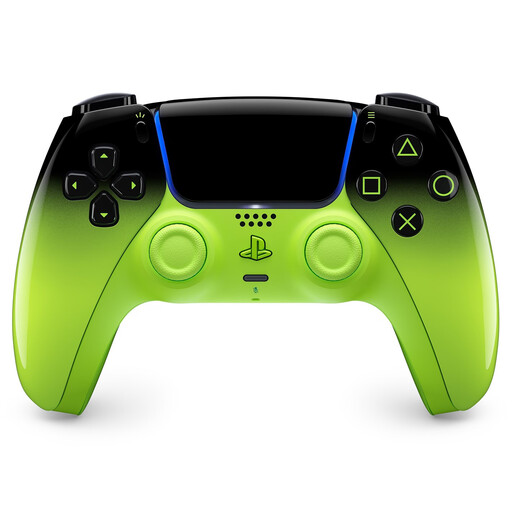
Consider this PS5 controller for an additional local player once you have checked the game’s controller and player-count support.
The listed variant also names PC, Mac and mobile compatibility. Check feature support for the particular device and game if you plan to use it away from PS5.
 No image available
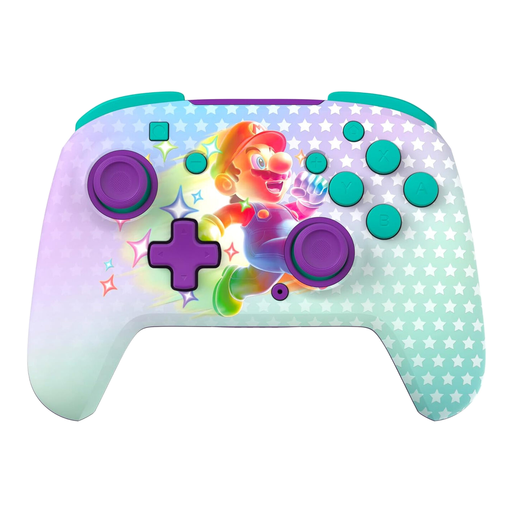
Consider this wireless Switch controller if the intended arena game supports it and your planned number of local players.
Its product information states that it has no wired gameplay mode, so choose a different option if wired play is required. Check the complete controller and audio arrangement if using Bluetooth audio.
 No image available
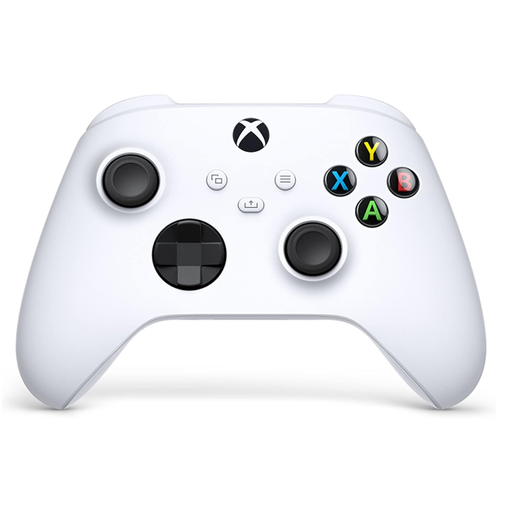
Consider this controller for an Xbox or Windows-PC match after confirming the game’s local-player and controller support.
If controller lighting matters in your room, check which brightness settings are available for this controller and host before relying on an adjustment.
No: the game and console setup both affect the usable player count. PlayStation says PS5 supports up to four controllers simultaneously; Nintendo says up to eight wireless controllers can generally pair with Switch, subject to controller types and enabled features. Check the game’s own local-player limit as well.
Nintendo says Switch can connect no more than two wireless controllers while a Bluetooth audio device is connected. Disconnect Bluetooth audio before trying to add a third wireless controller, then check that the game supports the intended number of players.
Not necessarily: PlayStation says availability depends on the device and game, and some PC features may require USB. Check the specific game’s controller-support information before choosing DualSense for PC play.
Check its power or charge first. For connection troubleshooting, Microsoft advises connecting directly with a USB cable that supports data transfer; its controller-support guidance also covers firmware updates.
Take an unwanted controller to an appropriate electrical recycling collection point rather than putting it in household rubbish. UK Office for Product Safety and Standards guidance also says unwanted batteries should be kept out of household rubbish.