Repeated-batch bake-sale organiser
If you regularly bake several trays of turnovers, focus on usable shelf positions, the oven’s instructions for multi-tray cooking and cleaning after fruit filling spills.


Choose around the number of turnover trays you need to bake per session, the space available and the appliance’s installation requirements. A built-in fan oven suits recurring batches if the housing and electrical provision fit; separate oven cavities can ease clashes with other cooking, while a countertop convection oven is worth considering for occasional or supplementary batches only after checking its usable tray space.
If you regularly bake several trays of turnovers, focus on usable shelf positions, the oven’s instructions for multi-tray cooking and cleaning after fruit filling spills.
If turnovers must be baked alongside food needing another temperature or timetable, separate cavities or a supplementary oven may make the cooking schedule easier to manage.
If you want extra baking space without changing cabinetry, check a countertop oven’s rack and tray dimensions against the batch you intend to make.
Choose the oven format for your batch schedule, then check tray fit and the installation requirements of the exact model.
Consider it when: You bake recurring turnover batches and have suitable built-in space.
Allow for: Cabinet and connection checks before ordering.
Consider it when: Turnovers need oven time alongside other cooking.
Allow for: A suitable opening and separate checks of each cavity’s usable space.
Consider it when: You need occasional or supplementary batches without a built-in installation.
Allow for: The rack and tray dimensions to set the practical batch size.
| Concern | What to check | Who this matters to |
|---|---|---|
| Batch output and browning | Check tray fit, usable shelf positions and any tray-rotation instructions. Look for independent heat-distribution and temperature-control tests where available; Which? assesses both. | If several trays must be ready for one sale, I need a workable baking sequence without assuming every shelf bakes alike. Around 50% of consumers put dependable batch output and browning first. |
| Cooking schedule | For two cavities, check the functions and usable space of each; for a supplementary oven, check its rack layout and required clearance. | When the kitchen is also preparing other food, I need to avoid turnover batches competing for the same oven time. Scheduling flexibility comes first for around 30% of consumers. |
| Installation and space | Measure the intended tray and appliance space, then confirm ventilation, connection type and electrical requirements for the exact model. | If I bake only occasionally, I may prefer additional capacity without changing the kitchen, provided my tray fits. Around 20% of consumers prioritise that lower-commitment setup. |
A cavity’s litre figure does not establish whether your turnover tray fits or how many trays can bake together.
Measure the tray you will use and compare it with rack dimensions, shelf positions and supplied accessories. Check heat-distribution tests where available.
Instructions can differ by model: Hotpoint advises swapping trays halfway through when using Convection Bake on its HO 235H X UK.
Check the chosen model’s manual and trial a representative batch using your intended pastry, filling, trays and shelf positions before planning the sale bake.
The Bosch HBS534BB0B and NEFF B1GCC0AN0B are specified without plugs and require electrical connection by an electrician. Electrical Safety First advises checking an oven’s power requirements before choosing it.
Confirm the housing dimensions, connection type and electrical provision for the exact appliance before ordering.
Food supplied at community and charity events must be safe to eat, according to GOV.UK and the Food Standards Agency. Packaging and ingredients also affect which allergen information you need to prepare.
Settle the recipe and packaging method before baking at scale, and ask the relevant local authority about requirements if you plan regular sales.
Keeping ingredient information aligned with recipes and packaging takes preparation beyond the baking itself.
A built-in single-oven option to examine if you have compatible housing for recurring batches.
A built-in option for buyers examining model-specific multi-level baking features.
Built-in oven options to consider when multi-level cooking or separate cooking spaces matter.
A built-in fan-oven line worth comparing by its model-specific capacity and cooking instructions.
A countertop route to examine for occasional or supplementary turnover batches.
These choices cover built-in double ovens, a freestanding double-oven cooker and a built-in single gas fan oven. Compare their installation formats before using cavity descriptions to plan turnover batches.
 No image available
Consider its two-cavity format if turnover baking must share the kitchen with other cooking.
Check the eye-level housing, hard-wired connection requirements and usable tray dimensions before planning batch quantities.
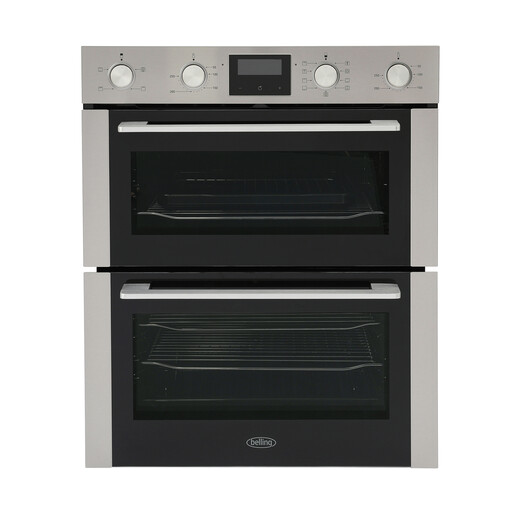 No image available
The built-under format is worth considering if you want separate cooking spaces within that type of housing.
Check the opening, electrical requirements and usable tray dimensions before deciding how many turnovers to bake at once.
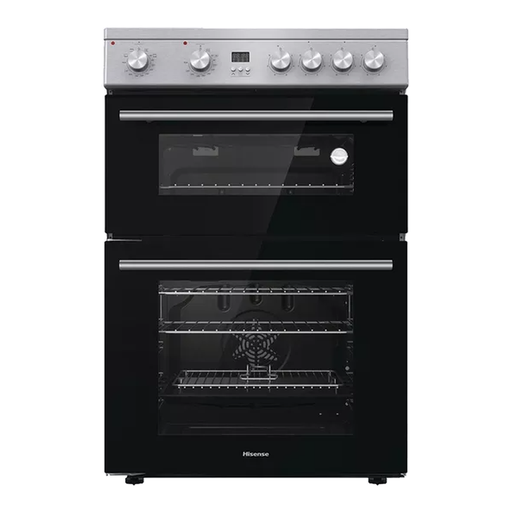 No image available
Consider this freestanding cooker if a double-oven appliance with a ceramic hob suits your kitchen, rather than a built-in oven.
Confirm space for the full cooker, its hard-wired connection and the tray layout needed for your batches.
 No image available
Its double-oven format may help when turnovers and other food need different cooking schedules.
Confirm the housing fit, electrical requirements and usable tray space in each cavity before setting a batch plan.
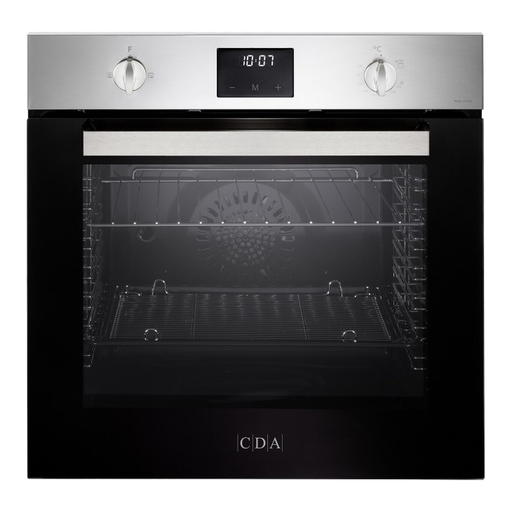 No image available
Consider this single-oven format for turnover batches only if a gas appliance suits the kitchen setup.
Confirm gas-supply compatibility, installation requirements, shelf positions and tray fit; the 70 L stated capacity alone does not establish batch output.
No: check the exact oven’s usable shelf positions, tray fit and instructions for multi-tray cooking. NEFF and Hotpoint make model-specific statements about cooking on multiple levels, while Which? assesses heat distribution and temperature-control accuracy; trial your intended tray arrangement before baking a sale batch.
It may suit occasional or supplementary batches if its racks and trays accommodate the number of turnovers you need per cycle. Measure your intended tray and check the oven’s clearances before relying on it for the sale schedule.
Do not assume a built-in oven can simply be plugged in: Bosch and NEFF specify electrician connection for the HBS534BB0B and B1GCC0AN0B. Check the chosen appliance’s connection and power requirements; Electrical Safety First advises consulting a qualified electrician if you are unsure about the electrical provision.
Registration depends on how the sale is organised and whether the activity operates as a food business. GOV.UK provides food-business registration guidance, and Food Standards Scotland addresses registration in Scotland; ask the relevant local authority before starting regular sales rather than assuming an occasional event and an ongoing operation have the same requirements.
Check the ingredients and how the turnovers will be packaged so the applicable allergen information can be prepared. Food Standards Scotland says that when any of the 14 specified allergens are ingredients in prepacked food, they must be emphasised in the ingredients list; confirm the requirements for your packaging and selling arrangement with the relevant food authority.