Regular bake-sale batch cooks
If you regularly prepare several trays, usable tray space and cooking across multiple shelf levels matter more than the capacity needed for one household portion.


For regular bake-sale batches, start with a built-in fan oven whose exact model documents cooking on multiple levels, then check whether its trays can hold the quantity of beetroot wedges you plan to make without crowding. Choose a double oven if you also need a separate cavity for other food; for smaller batches, a countertop appliance may be worth considering once you have checked its usable basket or tray area. Before buying a built-in model, confirm the kitchen fit and electrical connection.
If you regularly prepare several trays, usable tray space and cooking across multiple shelf levels matter more than the capacity needed for one household portion.
You need to match the new appliance to the existing opening and electrical arrangement as well as choose a fan-cooking mode suited to your batches.
If the bake sale is an occasional job, consider how you will clean the trays and cavity afterwards before committing to a larger built-in arrangement.
Consider it when: Wedges are a regular batch-cooking job and one cavity can hold the trays you need.
Trade-off: One cavity is less flexible if another dish needs a different setting at the same time.
Consider it when: You need a separate cavity for other food while the wedges cook.
Trade-off: Check which cavity offers the fan mode and whether the appliance fits your built-in space.
Consider it when: Your planned quantity fits the usable basket or tray area without crowding.
Trade-off: A litre figure alone cannot tell you whether it will replace full oven trays for an event batch.
| Concern | What to check | Who this matters to |
|---|---|---|
| Batch capacity | Check the supplied trays, usable shelf positions and stated conditions for cooking on multiple levels, not just cavity litres. | I need enough room to spread out the wedges for the quantity the event requires, rather than rely on a capacity figure alone. Around 36% of consumers would put usable batch space first. |
| Cooking across trays | Check which cavity has the fan mode and how many cooking levels the manufacturer specifies for the exact model. | When several trays cook together, I want to know whether I will need to move them to manage uneven browning. Roughly 29% of consumers would make results across trays their primary concern. |
| Kitchen fit | Compare the installation drawing with your opening and confirm the required electrical connection. | If I am replacing a built-in oven, it has to fit and connect safely before its cooking features matter. Approximately 21% of consumers would prioritise installation fit. |
| Clean-up | Check the cleaning method, which surfaces it covers and how the supplied trays must be cleaned. | After an occasional fundraiser, I want the oven and trays to be manageable to clean. For around 14% of consumers, that would be the leading concern. |
Cavity or basket capacity does not show how many wedges will fit across the supplied cooking surfaces without crowding.
Check tray dimensions, shelf positions and the manufacturer’s conditions for multilevel cooking against the quantity you intend to prepare.
Multilevel instructions vary by model and mode. Hotpoint, for example, advises swapping trays halfway through when using Convection Bake on two shelves in its HO 255H X UK.
Follow the instructions for your exact oven and try your intended tray arrangement before relying on it for event-day quantities.
A built-in oven must fit its opening and suit the available electrical connection; the Electrolux KOFGC40LX, for example, is specified as hardwired.
Compare the installation drawing with your kitchen and ask a qualified installer to confirm the connection where needed.
Installation may also involve arranging disconnection and removal of the old appliance.
Food Standards Agency guidance for England, Wales and Northern Ireland says food supplied at charity or community events must be safe to eat, even where occasional activity may not require business registration.
Prepare and handle the food hygienically, consider what allergen information people will need, and ask the relevant local authority if the activity may count as a food business. For an event in Scotland, check the applicable Scottish guidance.
Its built-in single and double ovens include model-specific hot-air and cleaning features.
Its built-in range includes ovens with a named multilevel hot-air mode.
Its built-in fan-oven range includes models with assisted-cleaning features.
Its built-in range includes single ovens with published cavity and installation specifications.
These built-in single and double ovens are options to examine if you are planning tray batches of beetroot wedges. Compare the cooking cavity, tray arrangement and installation requirements of each exact model before choosing.
 No image available
Consider a double oven if you need to prepare another dish separately from the beetroot wedges. Check which cavity has fan cooking, how the supplied trays fit your batch and whether the 90cm appliance suits your installation space.
 No image available
A single-cavity option to assess if the wedges are your main oven task. Confirm the exact model’s multilevel instructions, supplied tray arrangement and electrical requirements before planning several trays at once.
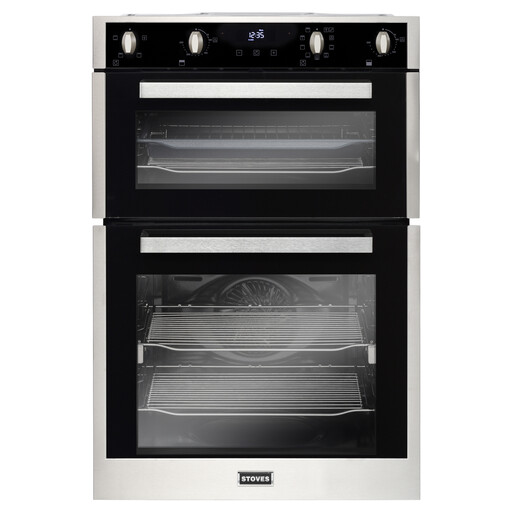 No image available
Consider this double-oven format when another dish needs a separate cavity during bake-sale preparation. Check the fan-cooking mode, usable tray space, installation dimensions and connection for this model.
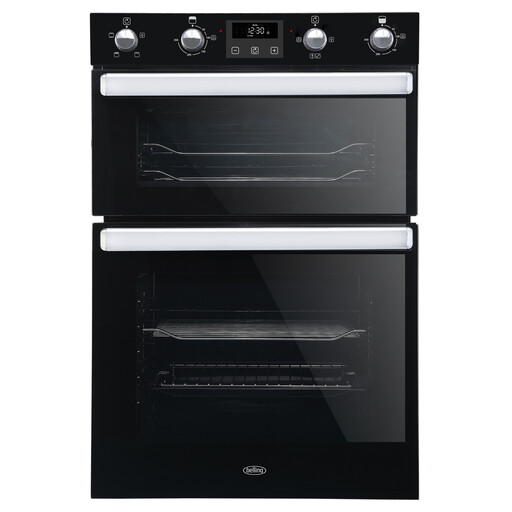 No image available
This double-oven format is worth comparing if wedges and another food need separate cooking spaces. Confirm which cavity supports your intended fan-cooking arrangement, along with tray fit and installation requirements.
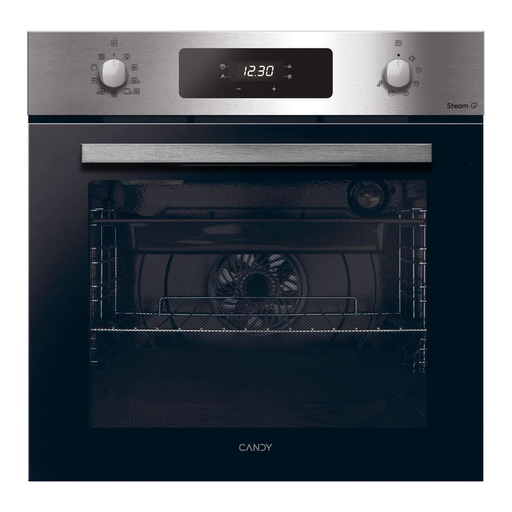 No image available
Consider this single oven if a pyrolytic-cleaning feature matters alongside your batch-cooking plans. Check whether its cooking modes and supplied trays accommodate the number of wedges you need, and confirm its electrical connection.
Look for a fan-cooking mode with documented instructions for using multiple levels on the exact model. A fan moves heat around the cavity, but that alone does not establish that every shelf will brown a loaded tray identically; follow the stated shelf and tray guidance.
No, not if a suitably sized single fan oven can handle your wedge trays and you do not need a separate cavity. A double oven becomes relevant when another food needs its own cooking space or setting at the same time.
No. Compare the exact oven’s appliance and built-in dimensions with your available opening, then confirm its electrical requirements. Electrolux specifies a hardwired connection for its KOFGC40LX; connection details for another model must be checked separately.
An occasional event may not require food-business registration in England, Wales or Northern Ireland, according to Food Standards Agency guidance, but the food must still be safe to eat. If the activity may amount to operating a food business, ask your local authority about registration; the Food Standards Agency says businesses that need to register should do so at least 28 days before food operations start. Check the applicable guidance separately for an event in Scotland.
Check the ingredients and any additions or toppings rather than assuming the finished dish contains no relevant allergens. In England, Wales and Northern Ireland, Food Standards Agency guidance requires food businesses to provide information about any of the 14 mandated allergens in non-prepacked food; it encourages allergen information where possible even when registration is not required. For an event in Scotland, check the applicable local guidance.