Weekly batch-roast cooks
You regularly prepare several portions of pork tenderloin or make-ahead sides and want to assess how many trays can cook together at a suitable temperature.


Choose a built-in fan oven with documented multi-level cooking when your tenderloins and side dishes can share one cooking programme. A double oven becomes useful when dishes regularly need separate temperatures or timings, provided its taller housing fits. A food probe can monitor a selected core temperature, but an independent food thermometer can also check the meat; confirm the exact oven's installation requirements before ordering.
You regularly prepare several portions of pork tenderloin or make-ahead sides and want to assess how many trays can cook together at a suitable temperature.
You want to check the meat's core temperature rather than judge every batch by elapsed roasting time alone.
You roast often enough that cleaning splatter and baked-on residue affects which oven you would choose.
Decide whether one cooking programme can accommodate the whole batch before considering a second cavity. Then weigh core-temperature checking, cleaning and the installation fit.
| Concern | What to check | Who this matters to |
|---|---|---|
| Multi-level roasting | Check the exact model's hot-air mode, stated cooking levels and whether your roasting trays fit. | If I want to roast several portions and compatible sides together, I need enough usable shelf space without assuming that cavity volume tells the whole story. Around 36% of consumers put multi-level cooking first. |
| Core-temperature control | Check whether a food probe is included and what its programme controls; otherwise use a suitable independent food thermometer. | When tenderloin thickness or batch size changes, I want to check the centre of the meat rather than rely on the timer alone. Core-temperature checking comes first for around 29% of consumers. |
| Separate cavities | Check both cavities' functions and usable space, then measure the cabinet niche. | If another dish needs a different temperature or finish time, I would value a second cooking programme more than extra shelves in one cavity. Around 21% of consumers prioritise separate cavities. |
| Cleaning and fit | Compare cleaning systems, niche dimensions and the exact model's electrical connection requirements. | Frequent roasting makes clean-up important to me, but the oven also has to fit my kitchen's housing and connection. For around 14% of consumers, cleaning and installation fit take priority. |
Appliance dimensions are not interchangeable with the required cabinet-niche dimensions. Miele specifies a 560–568 mm-wide, 590–595 mm-high niche for its H 7262 BP CulinArt, while the reviewed Bosch and NEFF double ovens are 888 mm high as appliances.
Measure the opening in all three dimensions and compare it with the exact installation sheet. Check whether the electrical connection requires an electrician.
Changing the cabinet or arranging electrical work can add work to the installation.
Tenderloin thickness and the size of a batch can affect cooking time. GOV.UK food-business guidance describes checking the centre with a clean probe rather than relying on time alone.
Choose an integrated probe if you want the oven to monitor a selected endpoint, or use a suitable independent food thermometer.
A second cavity addresses a need for separate cooking programmes; it does not replace the need to check tray fit and usable space. It also calls for a taller cabinet opening than a standard single oven.
If the dishes can share a temperature, compare single fan ovens with documented multi-level cooking before committing to a double-oven installation.
A larger cooked batch also needs suitable cooling and cold-storage space. GOV.UK food-business guidance recommends setting a fridge to 5°C or below.
Plan how you will portion, cool and store the cooked pork before preparing more than your fridge or freezer can accommodate safely.
Bosch has relevant single- and double-oven models for comparing shared-cavity batch cooking with separate-cavity cooking.
NEFF is relevant if you are comparing a CircoTherm single oven with a taller double-oven arrangement.
The GA5PB501AB is a single-cavity option for cooks weighing a probe and cleaning programme alongside multi-level cooking.
The H 7262 BP CulinArt is relevant if you want a single cavity with substantial listed space and a wired food probe.
These built-in ovens cover single-cavity batch cooking and double-cavity cooking for dishes needing separate programmes. Compare the exact cooking modes, tray space and installation instructions against your routine.
 No image available
Consider this double oven if a second dish regularly needs a separate cooking programme. Check that its two cavities suit your trays, whether a food probe is included, and the housing and electrical requirements before ordering.
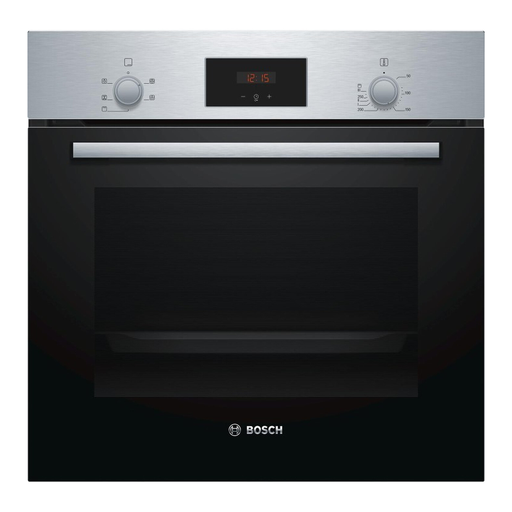 No image available
This single oven suits batches that can share one programme. Bosch specifies 3D Hotair on up to three levels for this model; check that your trays fit, whether a probe is included and how the oven must be connected.
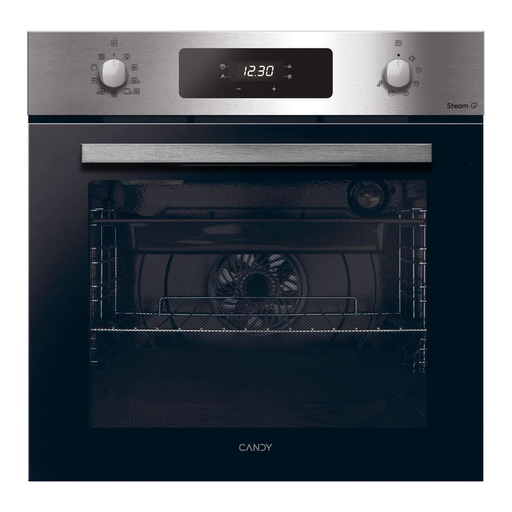 No image available
Consider this single oven if post-roast cleaning matters and your dishes can share one cavity. Confirm its fan mode's usable cooking levels, probe provision and installation requirements for the exact model.
 No image available
This double-oven arrangement is worth considering when the roast and another dish need different programmes. Check the usable shelf levels, probe provision, cabinet niche and electrical connection against your plans.
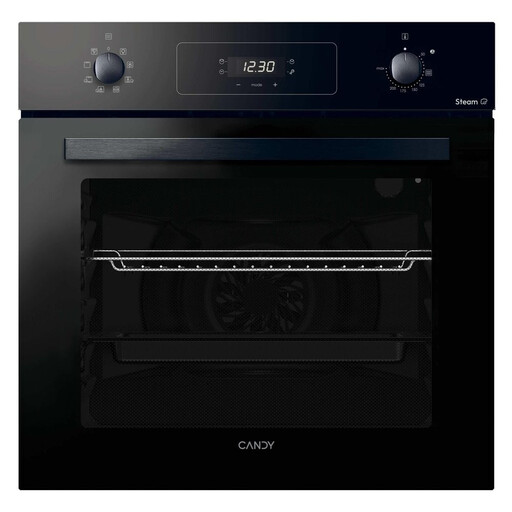 No image available
Consider this single oven for portions and sides that can cook in one cavity. Its title specifies 65L capacity; check how many levels its fan mode supports, whether it includes a probe and what connection the installation requires.
No: an independent food thermometer can check pork's core temperature when the oven has no integrated probe. GOV.UK food-business guidance gives 70°C for 2 minutes as standard cooking advice and describes checking the centre with a clean probe; a built-in probe adds the convenience of monitoring a selected endpoint.
A single multi-level fan oven suits tenderloins and sides that can share one programme; choose a double oven when another dish regularly needs a separate cavity or temperature. Check both cavities' usable space and the taller cabinet opening before deciding.
Compare the exact oven's installation sheet with your cabinet opening and electrical arrangement. Electrical Safety First advises having an oven fitted by a qualified electrician; check the model's connection and power requirements rather than assuming it can replace the current appliance without changes.
Make room to cool and store the portions appropriately rather than planning only the roasting time. GOV.UK food-business guidance recommends a fridge setting of 5°C or below; follow food-safety guidance applicable to your household when cooling and storing cooked pork.