If several trays of cheese scones are the main job, start with a fan oven whose manufacturer documents multi-level cooking, then check tray space and independent evidence of heat distribution where available. A double oven makes more sense when another dinner-party dish needs its own cooking cavity; whichever layout you choose, confirm the cabinet fit and electrical connection before ordering.
Who needs which setup?
Multi-tray scone hosts
If you regularly bake enough scones for guests, look for a documented multi-level cooking arrangement and check whether your trays fit on the usable shelves. A fan setting alone does not establish that every shelf will bake alike.
Two-dish dinner-party cooks
If scones and a main dish need different temperatures or cooking modes at the same time, separate oven cavities may matter more than additional functions in one cavity.
Kitchen-replacement buyers
If the oven must fit an existing kitchen, compare the required cabinet aperture and electrical connection with the space and circuit you have before settling on a model.
What matters when choosing?
Single built-in fan oven
Choose it when: Several trays of scones are the main baking task and the model documents cooking on multiple levels.
Trade-off: One cavity cannot cook a separate dish at a different temperature simultaneously; a multi-level claim is not an independent test of even baking.
Built-in double oven
Choose it when: Scones and another dish need separate cooking zones during the same meal preparation.
Trade-off: A second cavity does not automatically give you more room for scone trays at one temperature, and the installation space needs checking.
Countertop multifunction oven
Consider it when: A built-in installation is impractical or you need a supplementary oven for smaller batches.
Trade-off: It occupies worktop space, and your usual scone tins may not fit inside.
| Concern |
What to check |
Who this matters to |
| Even baking across trays |
Check the documented cooking levels and shelf arrangement, then compare independent heat-distribution and temperature-control tests where available. |
If I am serving a batch of scones together, I want the trays to finish consistently rather than keep guests waiting for another batch. Around 33% of consumers would put multi-tray consistency first. |
| Kitchen fit and connection |
Compare the model’s required cabinet aperture with your kitchen and check its installation instructions for the electrical connection. |
Replacing a fitted oven means I need a model that can go into the available space and be connected as specified. Fit and installation would be the primary concern for around 27% of consumers. |
| Separate cooking zones |
Check what each cavity can do, including its cooking modes and usable shelf positions. |
When scones and the main dish need different temperatures at once, I need two independently usable cavities. Around 20% of consumers would prioritise that flexibility. |
| Cleaning after use |
Identify the exact cleaning system and check what the manual says about wiping the cavity and cleaning accessories. |
If I entertain and bake often, I want the clean-up to fit my routine without assuming the oven maintains itself. Cleaning convenience would come first for around 20% of consumers. |
Buying pitfalls
-
Assuming a fan setting makes every shelf bake evenly
A fan-cooking label describes a function, not the consistency of finished scones. Which? assesses heat distribution and temperature-control accuracy separately in its built-in oven testing.
For several trays at once, check the exact model’s shelf and fan arrangement and look for independent test results where available.
-
Choosing by cavity litres alone
Cavity capacity does not tell you whether your scone tins fit side to side or how many trays can be used together.
Measure your widest tray and compare it with the usable shelf dimensions, positions and supplied racks before ordering.
-
Treating a built-in oven as plug-and-play
Connection requirements vary by model. Bosch specifies electrician connection for the MBA578BS7B, while NEFF says its B1GCC0AN0B has no plug and requires electrical connection by an electrician.
Read the selected oven’s installation instructions and arrange an assessment if the cabinet, circuit or connection is uncertain. In England, GOV.UK’s Approved Document P addresses electrical work in dwellings; check the rules applicable to your location.
-
Reading a cleaning feature as a no-maintenance promise
Catalytic and steam-assisted systems use different processes, and neither description means shelves and residues can be ignored.
Check the model’s cleaning instructions, including any cycle, wiping or separate accessory cleaning it calls for.
Brands to consider
Hotpoint
The HOI98PT2SBUK illustrates a large single built-in fan oven for hosts considering several scone trays in one cavity.
- Hotpoint specifies a 73L cavity and says its ActiveMultiflow system cooks on up to four levels.
- That multi-level statement is a manufacturer claim, not independent evidence of consistent scone baking. Check cabinet fit and the cleaning-cycle instructions for this model.
AEG
The BCX33501KB is a single built-in fan-oven example with model-specific information for comparing baking space and installation fit.
- AEG specifies a 72L cavity, true fan cooking, catalytic cleaning and a 590 × 560 × 550 mm built-in aperture for this model.
- Confirm that your trays and cabinet suit the exact model; these specifications do not describe every AEG oven.
Bosch
The MBA578BS7B illustrates the double-oven route for preparing scones alongside a dish that needs a separate cavity.
- Bosch specifies two cavities and 3D Hotair in the main oven of the MBA578BS7B.
- Its separate cavities do not establish greater same-temperature scone-tray capacity. Bosch specifies electrician connection for this model, so check the installation requirements.
NEFF
The B1GCC0AN0B is a single built-in oven example for comparing documented multi-level baking arrangements.
- NEFF says its CircoTherm function can bake on up to three levels in this model.
- That is a model-specific manufacturer claim, not a comparison showing better scone results than another oven. NEFF says the model has no plug and requires electrician connection.
Joybuy oven choices
These single and double built-in ovens offer different ways to plan dinner-party cooking. For a scone-focused batch, check the usable tray layout; for a wider menu, consider whether a separate cavity would help.
 No image available
Bosch Series 4 MBA533BB3B Black Electric Double Oven
Consider the double-oven layout when scones and another dish need separate cooking spaces. Check the main cavity’s usable tray arrangement, required housing dimensions and electrical connection for this exact model.
View on Joybuy
 No image available
Belling BEL BI903MFC 90cm Built-In Double Oven, Black/Stainless
This 90cm built-in double-oven format is worth considering if a second cooking space matters during dinner preparation. Measure the cabinet opening and your scone trays, and confirm the electrical requirements before choosing it.
View on Joybuy
 No image available
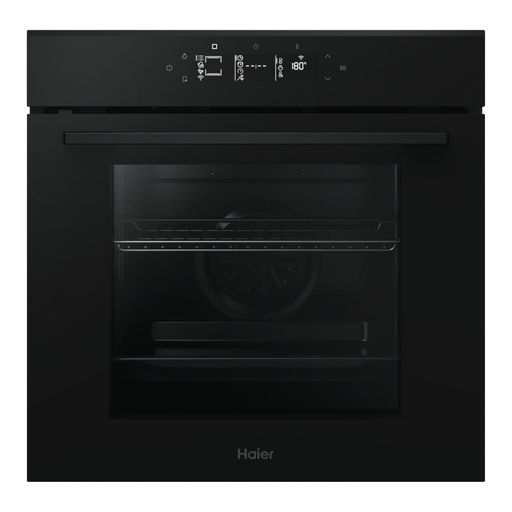
Haier H6 ID25G3HTB2 Series 6 70L Built-In Electric Oven, Black
A 70L single built-in oven is a route to consider when the scones and other dishes can share one cavity at compatible settings. Confirm how many of your trays fit, the cabinet cut-out and connection requirements; also check the model’s maximum-temperature specification before relying on it.
View on Joybuy
 No image available
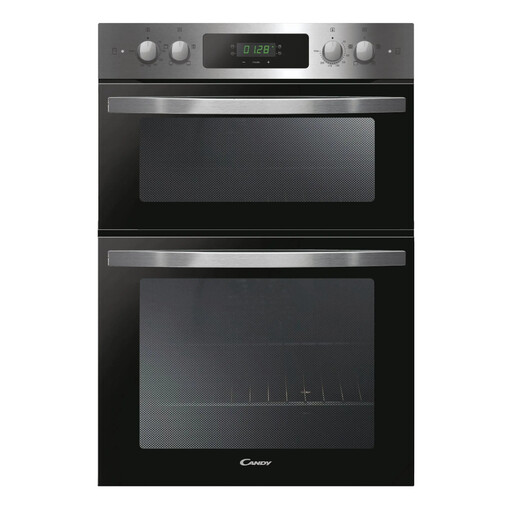
Candy FCI9D405X Built-In Electric Double Oven, Stainless Steel
The double-oven format suits a menu that calls for separate cooking spaces. Before using several scone trays, check the main cavity’s shelf layout and baking settings, as well as the required cut-out and electrical connection.
View on Joybuy
 No image available
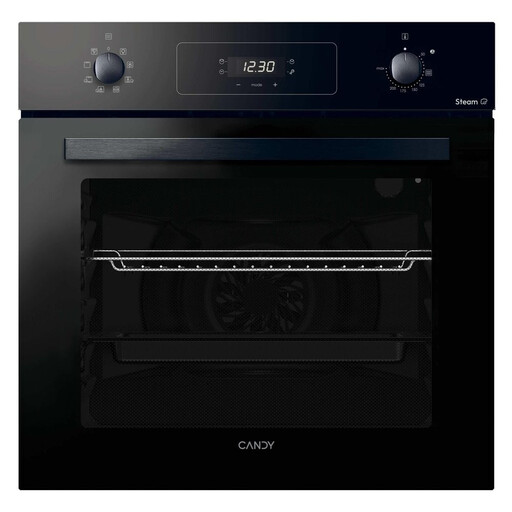
Candy FIDCN605 65L Built-In Electric Single Oven, Black
This 65L single-oven format is relevant when the meal does not require two independently controlled cavities. Check how your scone trays fit on its shelves and confirm the installation aperture and electrical connection in the model instructions.
View on Joybuy
Questions about choosing an oven
Should I choose a single fan oven or a double oven for cheese scones?
Choose a single fan oven with documented multi-level cooking if several trays at one temperature are your priority. A double oven is more useful when another dinner-party dish needs a separate cavity at a different temperature; that second cavity does not automatically improve scone baking in the main one.
Does a convection setting guarantee evenly baked scones?
No. A convection setting tells you how an oven circulates heat, not how evenly your scones will bake on every shelf. Which? tests heat distribution and temperature-control accuracy separately, so compare independent results for the exact model where available and check its stated multi-level arrangement.
Can a built-in oven simply plug into an existing socket?
Do not assume it can. Bosch specifies electrician connection for the MBA578BS7B, and NEFF says the B1GCC0AN0B has no plug and requires connection by an electrician. Check your chosen model’s instructions and the existing circuit before purchase; installation rules depend on where the work takes place.
Which cleaning feature should I look for after baking?
Choose a system whose required routine you are willing to follow, rather than relying on a broad self-cleaning description. AEG specifies catalytic cleaning for the BCX33501KB, while Hotpoint describes a steam-assisted cycle for the HOI98PT2SBUK; check the exact model’s instructions for wiping and accessory cleaning.


