Frequent tray-bake home bakers
If macaroons, biscuits and other tray bakes are part of your regular baking, usable tray space and controllable fan heat may matter more to you than a small appliance footprint.


For regular, larger batches of coconut macaroons, consider a full-size built-in fan oven if your cabinetry and electrical arrangements suit it. A compact built-in oven may fit smaller batches where cabinet height is limited, while a countertop convection oven avoids built-in work if you have suitable worktop space and a safe power arrangement. Whichever format you choose, check its fan temperature setting and usable tray size against your recipe and usual batch.
If macaroons, biscuits and other tray bakes are part of your regular baking, usable tray space and controllable fan heat may matter more to you than a small appliance footprint.
If you are choosing an integrated oven, the fan-cooking function must suit your baking routine, but the appliance must also fit the planned opening and electrical installation.
If you bake modest batches occasionally, you may prefer a separate countertop appliance. Check that its worktop position, tray space and power arrangement suit how you will use it.
Start with the oven format and the space it requires, then check the fan setting and tray fit for your usual bake. Olive magazine’s coconut macaroon recipe specifies 150°C fan and a 10-minute bake until lightly golden; the exact model still needs to accommodate that setting.
Consider it when: You bake tray bakes regularly or want room to assess more than one tray where the model supports multi-level cooking.
Allow for: A suitable cabinet opening and the exact model’s electrical connection and installation requirements.
Consider it when: You want an integrated oven but have less cabinet height or usually bake smaller batches.
Allow for: A smaller cavity; confirm that your trays and usual yield fit before choosing it in place of a full-size oven.
Consider it when: You want a separate oven for modest batches without changing built-in cabinetry.
Allow for: Dedicated worktop space and an electrical arrangement that follows the appliance instructions.
| Concern | What to check | Who this matters to |
|---|---|---|
| Fan heat and browning | Confirm the model’s fan-cooking function and whether its temperature controls cover your recipe’s fan setting. | For a short bake, I want control over the heat so the macaroons can become lightly golden without browning too far; around 33% of consumers put consistent fan baking first. |
| Batch and tray space | Compare usable tray dimensions and shelf positions; consult the manual before planning to bake on multiple levels. | If I regularly increase the batch, I need enough usable tray space rather than capacity that looks ample only on paper; roughly 25% of consumers make batch flexibility their primary concern. |
| Kitchen and power fit | Check the installation drawing or worktop requirements, plus the model’s electrical load and connection type. | Before choosing an oven, I need to know it will fit my kitchen and can be powered safely; around 25% of consumers prioritise space and installation suitability. |
| Cleaning | Compare the stated cleaning method, removable accessories and care instructions for the exact model. | After a sticky coconut-and-sugar bake, I want trays and the oven cavity to be manageable to clean; roughly 17% of consumers put routine upkeep first. |
Fan-cooking descriptions do not establish how many trays of macaroons will fit or how the exact oven should be used for multi-level baking. A compact cavity may not suit a larger batch simply because it has a fan function.
Check usable tray dimensions, shelf positions and the model manual’s multi-level instructions against your usual yield.
AEG specifies an 875 × 560 × 550 mm built-in opening, a 4,300 W total load and hardwired-only installation for its OU5NP20B double oven. Those requirements are model-specific; NEFF also states that its B1GCC0AN0B has no plug and needs connection by an electrician.
Measure the opening, obtain the exact installation sheet and confirm the connection arrangements with a qualified electrician before ordering.
Installation may also involve electrical work, disconnection or cabinet adjustments.
Electrical Safety First warns that ovens and grills can overload an extension lead when other large appliances are connected, creating a fire risk.
Follow the oven manufacturer’s power instructions. If the kitchen supply is uncertain, ask a qualified electrician rather than relying on an extension lead.
Microwave or cleaning functions do not establish that an oven has the fan setting, temperature control or tray space your macaroon recipe needs.
Check those baking requirements first, then decide whether the additional functions are useful for your wider cooking.
These manufacturer examples show different built-in oven formats and fan-cooking features. Compare the exact model and its installation requirements rather than treating a feature as standard across a brand.
A reference point for integrated fan ovens and double-oven layouts, illustrated by AEG’s OU5NP20B.
A reference point for a full-size built-in single oven with the brand’s CircoTherm hot-air system, illustrated by the B1GCC0AN0B.
A reference point for a compact integrated oven, illustrated by the CMG7361B1B with microwave function.
These built-in gas and electric oven choices are relevant if you are planning an integrated kitchen appliance for macaroon baking. Compare each model’s fan function, recipe temperature, tray fit and installation needs; the countertop route calls for a different format.
 No image available
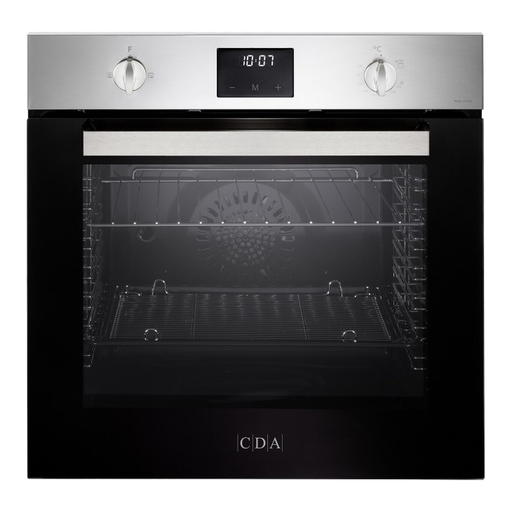
Consider this built-in gas fan oven if you want to assess a 70 L model for regular tray bakes. Check that its fan temperature can follow your macaroon recipe, that your usual tray fits and that the gas installation requirements suit your kitchen.
 No image available
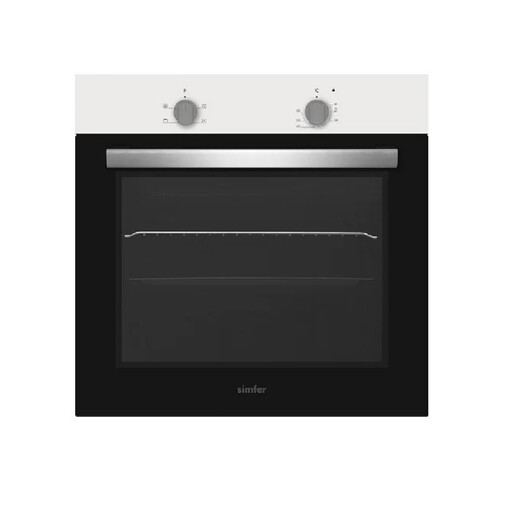
If you want a built-in electric oven for regular baking, check this model’s precise fan function and temperature controls against your recipe. Compare its usable tray dimensions, cabinet opening and electrical requirements with your kitchen before choosing it.
 No image available
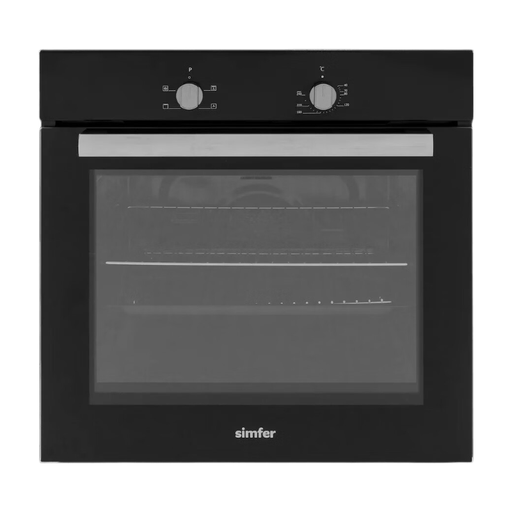
This built-in electric fan model is worth considering if fan baking and a black finish fit your kitchen plans. Confirm its recipe temperature setting, usable tray dimensions, required cabinet opening and electrical connection before deciding.
Yes, if you use a suitable fan-oven recipe and a model that can reach its specified setting. Olive magazine’s coconut macaroon recipe calls for 150°C fan and a 10-minute bake until lightly golden. Watch an initial batch and adjust your approach to the oven and tray you use.
No single connection rule describes every built-in fan oven. AEG specifies hardwired-only installation for the OU5NP20B, while NEFF states that the B1GCC0AN0B has no plug and needs connection by an electrician. Check the exact model’s power requirements and installation instructions before ordering.
Do not assume an extension lead is a suitable way to power a countertop oven. Electrical Safety First warns that ovens and grills may overload an extension lead when other large appliances are connected, creating a fire risk. Follow the model’s instructions and ask a qualified electrician if the available kitchen supply is uncertain.
Let the oven cool, then follow its manufacturer’s instructions for cleaning the cavity, trays and racks. Electrical Safety First also recommends regular oven cleaning and keeping flammable items, including tea towels and oven gloves, away from oven heat.