A single fan oven is a sensible choice when the custard tart is the main oven task and other dishes can share its setting or wait. Choose a double oven if the gathering calls for a separate cooking cavity; consider steam assistance for wider baking uses, not as a proven way to improve a custard tart. Check the cabinet opening, electrical requirements and each cavity’s functions before ordering.
Who is this for?
Family-meal multitaskers
If the tart must be baked alongside other dishes, consider whether they can share one oven setting or need separate cavities. Neff and Bosch describe multi-level hot-air functions on particular models, but those functions do not provide independent temperatures.
Consistency-first home bakers
If the tart is your main concern, compare the exact fan mode, shelf guidance and usable cavity layout. Neff and Hotpoint describe different multi-shelf arrangements for their cited models, so do not assume all convection settings work alike.
Kitchen-upgrade planners
If you are replacing a built-in oven, establish the cabinet opening and electrical connection before deciding on capacity or cleaning features. Manufacturer installation requirements vary by model, and Electrical Safety First advises using a qualified electrician.
What matters when choosing?
Decide whether the tart and the rest of the meal need one cooking zone or two, then check the baking mode and installation requirements of the exact oven.
| Concern | What to check | Who this matters to |
|---|
| Fan baking control |
Check the exact fan mode and the manual’s recommended shelf positions; confirm that your tart tin fits with the supplied racks. |
If the tart is my main oven task, I want a setting and shelf position I can plan around rather than relying on a general even-heat claim. Around 42% of consumers put baking control first. |
| Meal capacity |
Compare cavity count, usable space and the functions available in each cavity; multi-level cooking does not provide separate temperatures. |
When sides need a different setting or schedule from the tart, I need to know whether a second cavity would help. For around 33% of consumers, separate cooking capacity is the primary concern. |
| Fit and upkeep |
Match the installation drawing and electrical requirements to your kitchen, then compare the cleaning systems you would use. |
I cannot choose an oven on cooking features alone if it may not fit the cabinet or suit the electrical supply. Installation and upkeep come first for around 25% of consumers. |
Buying pitfalls
-
Assuming every fan oven handles multiple shelves alike
Neff and Bosch describe cooking on up to three levels for their cited hot-air functions. Hotpoint’s guidance for its cited Convection Bake mode allows up to two shelves and recommends swapping tray positions halfway through.
Read the exact model’s mode and shelf instructions before planning where the tart and other dishes will go.
-
Choosing a built-in oven before checking the installation
Dimensions and connection requirements differ by model. Electrical Safety First advises checking power requirements and having an oven fitted by a qualified electrician.
Measure the cabinet opening, consult the installation drawing and confirm the connection and electrical loading with your installer before delivery.
-
Expecting steam or cleaning features to control the tart bake
AEG describes SteamBake as a humidity option for baking, while cleaning functions serve a different purpose. Neither replaces the tart recipe or the model’s cooking instructions.
Choose those features for uses you expect beyond this tart. Follow the recipe when baking, and let the oven cool before cleaning it, as Electrical Safety First advises.
Brands to consider for these oven formats
Bosch
Its MBA533BB3B is a built-in double oven to consider when the meal calls for separate cavities.
- Bosch says its 3D Hotair function distributes heat on up to three levels and lists different cooking methods for the two cavities.
- Those specifications do not establish how a particular custard tart will bake; the cited model requires electrician connection.
Neff
Its cited range includes a single oven and a taller built-in double oven with CircoTherm hot-air cooking.
- Neff says the cited CircoTherm models permit baking on up to three levels.
- The cited ovens specify electrician connection; the double oven has a stated installation height of 888 mm.
AEG
Its GA5CB50FAB combines true fan cooking with an optional SteamBake function in a single built-in oven.
- AEG lists a 71 L cavity, a temperature probe and SteamBake, which it describes as adding humidity for baking.
- A custard-tart-specific benefit of steam is not established. Check the cited model’s built-in dimensions of 590 × 560 × 550 mm and stated 3,250 W electrical loading against your installation plans.
Hotpoint
Its cited HO 255H X UK is a single fan oven with manufacturer-described heat-distribution and cleaning features.
- Hotpoint’s Convection Bake guidance allows up to two shelves on the cited model.
- Hotpoint recommends swapping tray positions halfway through that mode. Its even-heat description is a manufacturer claim, not an independent custard-tart test.
Joybuy oven choices
These built-in single and double ovens offer different ways to plan a tart alongside a family meal. Check the precise baking modes and installation instructions before choosing.
 No image available
Bosch Series 4 MBA533BB3B Double Oven, Black
Consider the two cavities when other dishes need their own cooking schedule alongside the tart. Joybuy lists a 71 L main cavity and a 34 L second cavity; Bosch describes 3D Hotair cooking on up to three levels. Check the required cabinet opening and electrical connection before ordering.
 No image available
Belling BEL BI903MFC 90 cm Double Oven, Black/Stainless
A double-oven option for a meal in which the tart and other dishes need separate cooking plans. Check which functions are available in each cavity, then confirm the required housing opening and electrical supply.
 No image available
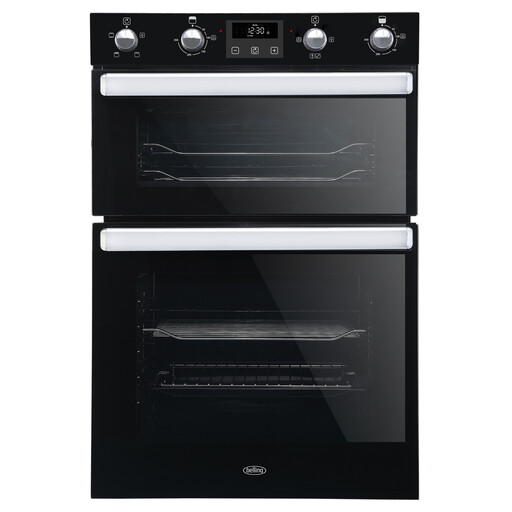
Belling BEL BI902FP Built-In Double Oven, Black
The separate cavities may help when the family meal has dishes on different schedules. Check the tart’s intended cavity and its fan-mode shelf guidance, as well as the installation dimensions and electrical requirements.
 No image available
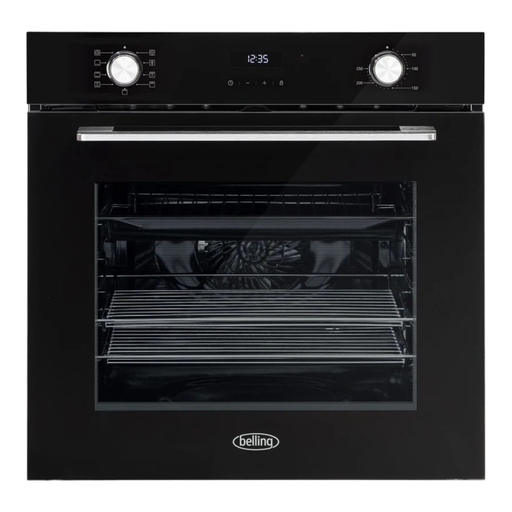
Belling BEL BI603MFC Built-In Single Oven, Black
Consider a single cavity if the tart is the principal oven task and other dishes can share its setting or cook later. Check its fan-baking shelf instructions and match the installation drawing and electrical requirements to your kitchen.
 No image available
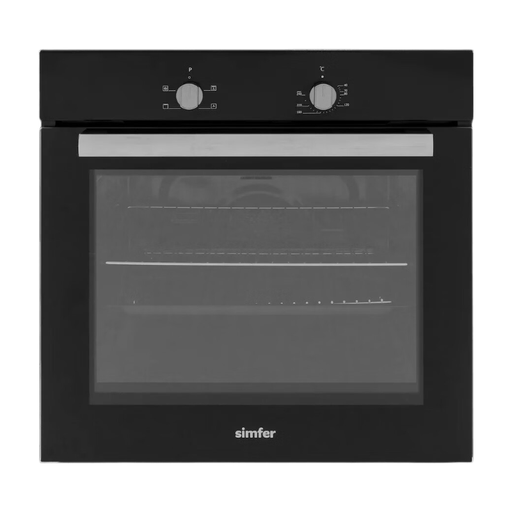
Simfer FO60B Built-In Single Fan Oven, Black
This single fan oven is an option when one cavity suits the meal plan. Follow the model’s shelf guidance for any simultaneous dishes, and confirm the correct cabinet cut-out and electrical requirements before purchase.
Frequently asked questions
Do I need a double oven to make a custard tart for a family gathering?
No, not if the tart is the main oven task and the other dishes can share its setting or be cooked at another time. A double oven becomes useful when dishes need a separate cavity or a different temperature; Joybuy lists a 71 L main cavity and a 34 L second cavity for the Bosch MBA533BB3B, but you should check the functions of each.
Will steam assistance make a better custard tart?
Do not choose a steam-assisted oven on that assumption. AEG describes SteamBake as adding humidity for baking, but that description does not establish a custard-tart-specific advantage. Consider the feature if you also want it for other baking tasks.
What electrical installation should I plan for?
Check the exact oven’s connection and loading requirements against your kitchen before ordering. The cited Bosch and Neff built-in models specify electrician connection, and Electrical Safety First advises having an oven fitted by a qualified electrician.
What should I check about eggs when serving vulnerable guests?
Check the eggs’ provenance and follow the tart recipe’s baking instructions. The Food Standards Agency’s 2023 risk profile discusses raw or runny UK-produced eggs from recognised assurance schemes in its advice for vulnerable groups; that does not apply indiscriminately to every egg or replace the recipe’s cooking directions.


