Replacing a built-in oven
You need a main oven for regular meals. Confirm the cabinet opening, ventilation clearances and electrical connection before choosing fan-cooking features. Electrical Safety First advises qualified fitting.


Choose a built-in fan oven if it will be your main oven and your cabinet and electrical installation can accommodate it. A countertop convection oven makes more sense when space or supplementary capacity matters most, but measure its usable interior before assuming your enchilada dish will fit. Whichever format you choose, check the cooking modes and allow for a separate check that the chicken filling is thoroughly hot.
You need a main oven for regular meals. Confirm the cabinet opening, ventilation clearances and electrical connection before choosing fan-cooking features. Electrical Safety First advises qualified fitting.
You need room for an enchilada dish and may want another shelf for a side dish. Compare usable interior dimensions and shelf positions, not just the stated cavity capacity.
You want a countertop option instead of, or alongside, a fitted oven. Check both the worktop footprint and whether the internal rack can hold your baking dish.
Choose it when: You need a main kitchen oven and have a suitable cabinet opening.
Allow for: Model-specific fitting, ventilation and electrical requirements.
Choose it when: A smaller, supplementary oven suits your kitchen and your dish fits inside.
Allow for: Less usable tray space and the manufacturer’s placement clearances.
For consumers choosing an oven to bake chicken enchiladas, start with the space available for both the appliance and the dish; then compare cooking functions and everyday upkeep.
| Concern | What to check | Who this matters to |
|---|---|---|
| Fit and installation | Measure the cabinet opening or worktop space; check the chosen oven’s clearances and connection instructions. | If I am replacing a fitted oven, it must fit my kitchen and connect appropriately before its cooking modes matter. Around 36% of consumers put fit and installation first. |
| Baking space and browning | Compare usable tray dimensions and shelf positions; check for a fan mode and a grill if you want to finish the topping. | A full enchilada tray needs room to sit inside the oven, especially if I also cook a side dish. Roughly 29% of consumers prioritise baking space and cooking functions. |
| Countertop placement | Check the mini oven’s footprint, required clearances and internal rack dimensions. | When a fitted oven is impractical, I need a smaller appliance that still holds my dish. About 21% of consumers make flexible placement their primary concern. |
| Cleaning and controls | Check the exact model’s cleaning features and whether its temperature and timer controls suit your recipes. | For frequent saucy bakes, I want manageable clean-up and settings I can follow easily. Around 14% of consumers place cleaning and controls first. |
A capacity figure cannot tell you whether your enchilada dish fits the interior width and depth, or whether a built-in oven fits its cabinet.
Measure the dish and installation space, then compare the model’s full dimensions and specified clearances.
A mismatch can mean cabinet alterations or additional installation work.
Connection requirements differ by model. Electrical Safety First advises checking power requirements and having an oven fitted by a qualified electrician.
Read the installation instructions before ordering and ask a qualified electrician about an unclear connection.
Professional electrical work may be needed for the chosen installation.
A recipe’s conventional-oven setting may not be its fan-oven setting, affecting how the topping and filling finish.
Use the recipe’s fan setting where given. Otherwise, consult oven-temperature conversion guidance and check the dish as it cooks.
Heat circulation does not establish whether chicken in the centre of the dish is thoroughly cooked.
Follow the chicken and recipe instructions and ensure the filling is piping hot throughout. The Food Standards Agency also advises against washing raw chicken because of cross-contamination risk.
Consider its built-in range if a spacious cavity and shelf flexibility matter for full trays.
Its built-in models are worth comparing when multi-level cooking and a grill are priorities.
Consider a model-specific comparison if fan cooking and cleaning features matter alongside cabinet fit.
Relevant if cooking on several levels is a priority for your main oven.
These built-in ovens offer different fuel formats for baking enchiladas. The CDA model is a gas fan oven, not an electric alternative; confirm your preferred fuel, installation requirements and dish fit before choosing.
 No image available
For a main-oven enchilada tray, check the internal dish space and whether its cooking and grill settings meet your needs.
Confirm cabinet ventilation and the electrical connection against the installation instructions before ordering.
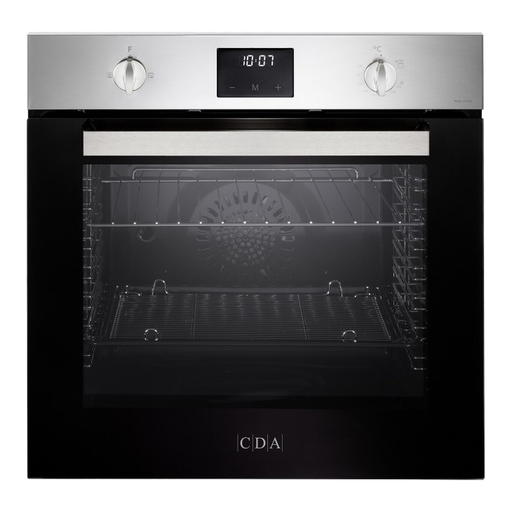 No image available
Consider this model only if a gas fan oven suits your kitchen; its stated 70L capacity does not establish that your enchilada dish fits.
Check the usable interior, your gas supply and the model’s professional installation requirements.
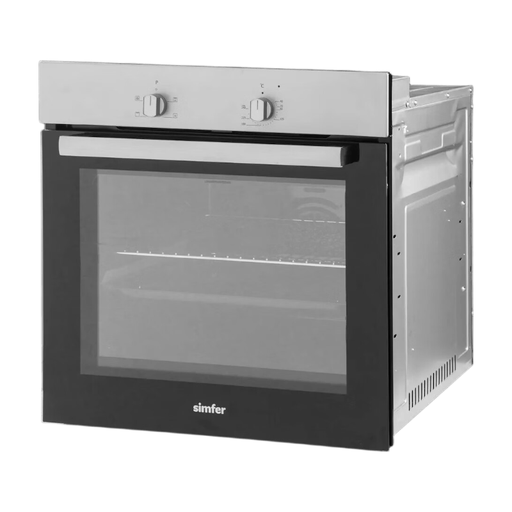 No image available
For fan-assisted enchilada baking, measure your dish against the usable interior before choosing this built-in model.
Confirm the appliance and cabinet dimensions in the installation instructions, along with its electrical connection requirements.
Use a stated fan setting if the recipe provides one. Otherwise, consult fan-oven conversion guidance rather than assuming the conventional setting is unchanged, and check the dish as it cooks.
No: fan circulation does not replace checking that the chicken filling is thoroughly cooked and piping hot throughout. Follow the chicken and recipe instructions; the Food Standards Agency advises against washing raw chicken because it can spread contamination.
Do not assume the chosen model is suitable for self-installation. Electrical Safety First advises qualified fitting; check the exact oven’s power requirements and installation instructions before arranging the work.
It can be an option if the dish fits its usable interior and the model has a cooking mode suitable for the recipe. Measure the rack space, allow the manufacturer’s placement clearances and check the electrical-use instructions.