Multi-tray flatbread hosts
You want to prepare several trays for a family group and need to check how the oven handles cooking on more than one shelf.


Choose a single fan oven with documented multi-level cooking if you mainly need batches of similar flatbreads at one temperature. A double oven is more useful when another dish needs its own cavity or temperature, provided the taller appliance fits your kitchen and its electrical requirements can be met. Bread or pizza programmes are optional features to check on the exact model, not a substitute for usable tray space.
You want to prepare several trays for a family group and need to check how the oven handles cooking on more than one shelf.
You plan to bake flatbreads alongside a dish that may need another temperature or cooking mode, so a separate oven cavity could ease the timing.
You are fitting or replacing an oven and need its dimensions and electrical connection to suit your kitchen before comparing baking features.
Decide whether you need one cooking temperature or two independent cavities, then check the tray space and installation requirements of the exact oven.
Choose it when: Similar flatbreads can be baked in successive batches or on supported shelves at one temperature.
Trade-off: One cavity cannot independently cook another dish at a different temperature.
Choose it when: Flatbreads and another dish need separate cooking spaces during the gathering.
Trade-off: Check the taller cabinet space and the electrical installation before committing to this format.
| Concern | What to check | Who this matters to |
|---|---|---|
| Batch size and browning | Check supported fan-cooking levels, shelf spacing and usable tray dimensions; litre capacity alone does not establish how many flatbreads fit. | If I need to serve several similar flatbreads without making too many successive batches, usable shelf and tray space comes first. Around 42% of consumers would make batch throughput their primary concern. |
| Separate cooking spaces | Check the cooking modes and usable tray area of each cavity, rather than assuming both ovens have the same fan function. | When another dish needs a different temperature while the flatbreads bake, I need a second cavity that suits that dish. Roughly 33% of consumers would prioritise this flexibility. |
| Kitchen fit and installation | Compare the appliance and cabinet dimensions, ventilation instructions, connection type and stated electrical load for the exact model. | Before planning the menu around a new oven, I need to know it will fit and can be connected appropriately in my kitchen. About 25% of consumers would put fit and installation first. |
Cavity capacity does not tell you whether your preferred tray or flatbread diameter will fit, or how much room remains between shelves.
Measure your trays and intended flatbread size, then compare them with the exact oven’s internal dimensions, shelf positions and supplied accessories.
Connection requirements differ by model. Bosch lists a GB plug for its HHF133BS0B single oven, while the cited NEFF B54CR71N0B and Bosch MBA533BB3B specify connection by an electrician. Electrical Safety First advises checking an oven’s power requirements before choosing it.
Read the exact model’s installation instructions and obtain advice from a qualified electrician if the connection or your existing circuit is uncertain.
A hardwired installation may also involve electrician time or work on the existing wiring or circuit.
Bread, pizza and steam functions vary by model; a programme name does not establish how your particular flatbread recipe will turn out.
Check fan cooking and tray usability first, then confirm whether a specialist function on the exact oven matches the recipes you intend to make.
These named models illustrate different features and installation considerations; features should not be assumed across an entire brand range.
Its cited single and double built-in ovens illustrate the choice between multi-level fan cooking and two separate cavities.
The cited GE7CP61FB double oven is relevant if you want separate cooking spaces and documented fan and bread-baking modes.
The cited B54CR71N0B single oven is a reference point for multi-level hot-air baking.
These choices include single and double built-in ovens for flatbread baking, plus a freestanding cooker for a kitchen that calls for a hob-and-oven unit.
 No image available
The double-oven layout is worth considering if flatbreads must share the gathering menu with a dish needing another cavity.
Check that the cabinet space, electrical installation and usable trays suit your kitchen and the size of flatbreads you plan to make.
 No image available
A single oven suits a plan built around flatbread batches at one temperature, but it cannot provide an independently controlled second cavity.
Check the supported cooking levels and usable tray space for your batch plan, as well as the model’s electrical installation instructions.
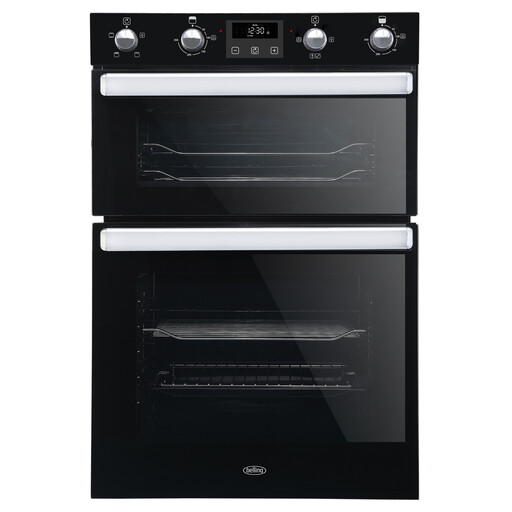 No image available
Consider its double-oven format when flatbreads and another gathering dish need separate cooking spaces.
Compare the cabinet opening and electrical requirements with the installation instructions, and check tray dimensions against your flatbread size.
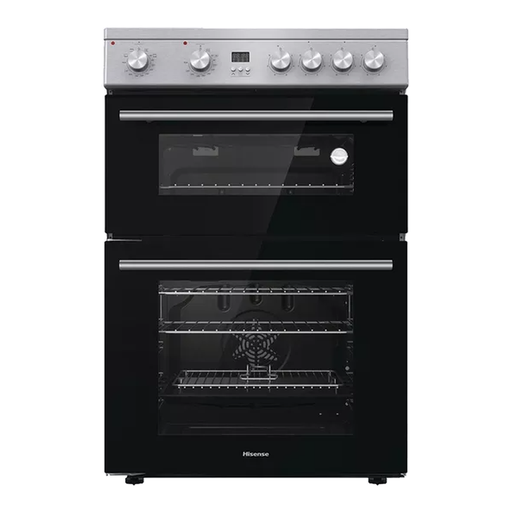 No image available
This freestanding cooker is an option if your kitchen needs a cooker with a hob rather than a built-in oven alone.
Check the space and electrical installation with a qualified installer, and compare tray space with your baking plan. Confirm the exact model’s energy label before comparing energy information.
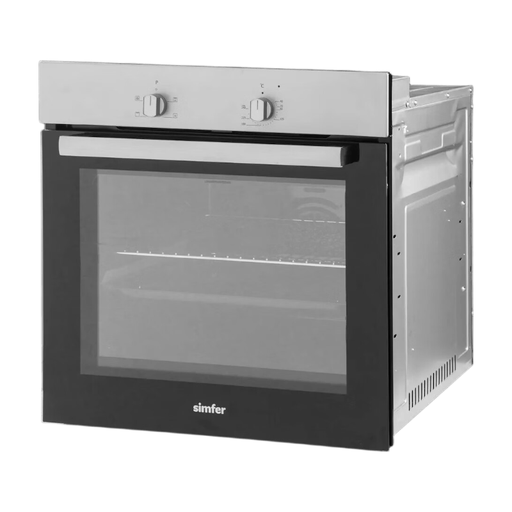 No image available
This single fan oven suits a baking plan that does not require a second independently controlled cavity.
Confirm the appliance and cabinet measurements against the installation document before ordering, then check electrical requirements, shelf positions and usable tray dimensions.
A single fan oven can suit repeated batches of similar flatbreads at one temperature. If you intend to use several shelves, check the exact model’s documented cooking levels and the space available for your trays; Bosch and NEFF describe multi-level cooking for their respective HHF133BS0B and B54CR71N0B models.
Consider a double oven when flatbreads and another dish need separate cavities, modes or temperatures at the same time. Check the capabilities of each cavity and measure the cabinet opening: Bosch lists its MBA533BB3B double oven as 888 mm high.
No specific named programme is necessary for every flatbread recipe. Check the oven’s fan mode and usable tray space first; if a specialist setting matters to you, confirm it on the exact model and compare its instructions with the recipe you intend to use.
The answer depends on the model and your existing installation. Bosch lists a GB plug for the HHF133BS0B, while the cited NEFF B54CR71N0B and Bosch MBA533BB3B specify connection by an electrician. Check the appliance instructions and power requirements, and ask a qualified electrician if the connection is uncertain.
Choose a cleaning system whose maintenance instructions suit how you use the oven. AEG lists catalytic cleaning for its GE7CP61FB, while NEFF lists pyrolytic and hydrolytic cleaning for the B54CR71N0B; read the exact model manual to understand what each setting requires.