Batch-focused bake-sale organisers
If several trays need baking before the sale, look at documented multi-level fan cooking, usable shelf spacing and whether your trays fit. Those checks matter more than a capacity figure on its own.


For repeatable flatbread batches, start with a fan oven whose documented shelf positions and usable cavity dimensions suit your trays; compare heat-distribution and temperature-control results where available. A single oven can suit a modest sale, while two cavities help if another dish needs cooking at the same time. Choose a high-temperature setting for a recipe that calls for a fast, crisp bake, rather than treating a pizza programme as proof of even results.
If several trays need baking before the sale, look at documented multi-level fan cooking, usable shelf spacing and whether your trays fit. Those checks matter more than a capacity figure on its own.
If you are making a limited quantity in an existing kitchen, a single fan oven may be enough. Focus on tray fit, controllable baking temperatures and cleaning access before considering a second cavity.
If your recipe calls for a hotter, faster bake, compare the exact model’s temperature range and cooking functions. A pizza setting alone does not tell you how evenly several trays will bake.
Decide whether one cavity can handle your baking schedule before considering a double oven. Then check tray fit and baking consistency; a specialist high-heat function matters chiefly if your flatbread recipe calls for it.
| Concern | What to check | Who this matters to |
|---|---|---|
| Consistent browning | Check the exact model’s multi-level fan function and usable shelf positions. Compare independent heat-distribution and temperature-control results where available. | When trays come out with different colouring, I need more predictable results across batches; around 40% of consumers put consistent browning first. |
| Capacity and workflow | Measure your trays and cabinet opening against the oven’s usable cavity and installation dimensions. Consider whether a second cavity solves a scheduling need. | If flatbreads and another dish need cooking at once, I need sufficient tray space or separate cavities to keep work moving; roughly 30% of consumers prioritise capacity and workflow. |
| High-heat baking and cleaning | Check the model’s cooking modes and maximum temperature, then its cleaning method and maintenance instructions. | For a crisp-base recipe, I want suitable heat without overlooking the cleaning after repeated bakes; around 30% of consumers place these needs first. |
A quoted capacity does not show whether your flatbread trays fit the shelf width and depth. In a double oven, the second cavity may also be too small for the trays you plan to use.
Measure your trays and cabinet opening, then compare both with the exact model’s cavity and installation dimensions.
A high-temperature mode may suit a particular recipe, but it does not establish heat distribution or temperature accuracy across shelves.
Check independent oven-performance results where available, and try your dough and tray arrangement before preparing sale quantities.
A built-in oven must fit its housing and meet the electrical requirements of the exact model; a plug-in connection should not be assumed.
Check the installation instructions, cabinet dimensions and connection requirements before ordering, and arrange qualified installation where required.
If the bake sale operates as a food business, registration and allergen-information duties can apply. Whether a particular event qualifies depends on how it is organised.
Ask the relevant local authority about the event’s status and prepare ingredient and allergen information for the way the flatbreads will be offered.
Relevant if you are comparing built-in fan ovens with multi-shelf cooking and model-specific bread-baking or cleaning functions.
Relevant if multi-level fan baking or a double-oven workflow is central to your plans.
Relevant when comparing built-in single fan ovens with multi-level cooking claims and model-specific cleaning features.
These built-in choices include double ovens for a schedule involving separate cooking tasks and a single fan oven for a more modest batch plan. Check usable tray space and installation requirements for any model you consider.
 No image available
Consider this double-oven format if another cooking task needs a separate cavity while you prepare flatbreads.
Check your trays against the usable cavity dimensions, and confirm the cabinet opening and electrical connection before ordering.
 No image available
The double-oven format is relevant when flatbreads and another dish need separate cooking space.
Confirm that the main cavity fits your trays and that the housing and electrical installation suit this model.
 No image available
A double oven may help if your bake-sale preparations require two cooking tasks at once.
Before choosing it, compare your flatbread trays with the usable cavity space and check the housing and connection requirements.
 No image available
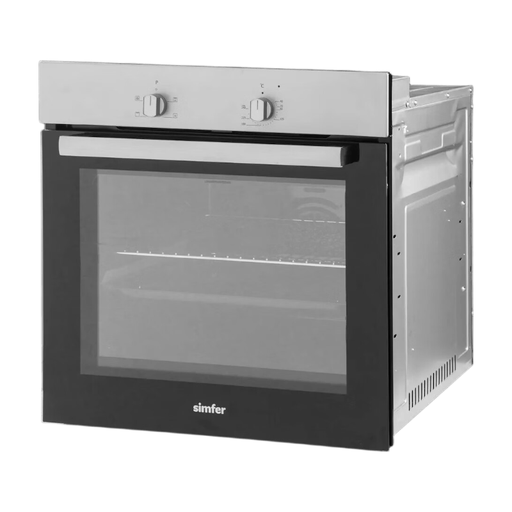
This single fan oven is a format to consider when a modest batch schedule does not call for a second cavity.
Check usable tray dimensions, shelf positions and the required cabinet cut-out before deciding whether it fits your baking plan.
Not if one cavity can handle your tray cycles and cooking schedule. A double oven becomes useful when another dish needs a separate cooking space; check that its individual cavities fit your trays before deciding.
Prioritise it if your recipe calls for a particularly hot, fast bake. Check the exact model’s temperature and mode, but assess multi-tray heat distribution separately: a programme name does not establish even batch results.
Do not assume a built-in oven has a plug-in connection. Check the exact model’s installation instructions, cabinet requirements and electrical connection, and arrange qualified installation where required.
Registration applies if the activity is a food business: the Food Standards Agency says a new food business must register with its local authority. Whether your particular event falls into that category depends on how it operates, so check with the relevant local authority before selling.
Prepare an accurate ingredients and allergen list for the flatbreads and check the rules for how you will sell them. The Food Standards Agency says food businesses must provide allergen information; for food prepacked for direct sale in England, Wales and Northern Ireland, its guidance requires the food name and a full ingredients list with allergenic ingredients emphasised.