Regular lunchbox-batch bakers
If uneven browning means swapping trays or adjusting each batch, focus on the exact oven’s heat distribution and temperature accuracy. Which? assesses both when testing built-in ovens.


For regular lunchbox batches, start with a single built-in fan oven and check how accurately the particular model holds and distributes heat. Consider a double oven if biscuit baking regularly overlaps with another dish that needs its own cavity; multi-level airflow can accommodate more trays in one cavity, but it does not create a second cooking zone.
If uneven browning means swapping trays or adjusting each batch, focus on the exact oven’s heat distribution and temperature accuracy. Which? assesses both when testing built-in ovens.
If biscuits and another dish need oven time together, compare usable shelf positions with the option of two separate cavities. Check the cabinet opening and electrical requirements before choosing a double oven.
If crumbs and sticky residue make clean-up a priority, compare the cleaning methods on the exact models you are considering. A cleaning function is a convenience, not evidence of accurate baking temperatures.
For lunchbox biscuits, check baking consistency first, then decide whether tray space or a separate cooking cavity matters more to your routine.
Choose when: One cavity can handle your biscuit trays and other cooking does not need a separate temperature setting.
Trade-off: Several shelves may be usable, but they still share one cavity and its selected cooking programme.
Choose when: Biscuits regularly need to bake while another dish uses a separate cavity.
Trade-off: The cabinet opening and electrical connection must suit the exact model; check which cavity offers fan cooking.
| Concern | Buying checks | Who this matters to |
|---|---|---|
| Even browning | Confirm the exact fan-heating function; look for independent tests of heat distribution and temperature accuracy. | When I make small biscuits for lunchboxes, I want each batch to brown consistently rather than having to compensate for uneven heat; around 50% of consumers put even baking first. |
| Batch and meal scheduling | Compare usable shelf positions; for a double oven, check which cavity has fan cooking and whether the cabinet fits. | If biscuits need oven time alongside a meal, I need enough tray space or a separate cavity for the other dish; roughly 30% of consumers prioritise fitting batches around other cooking. |
| Cleaning and installation | Check how the cleaning function works and confirm the model’s connection and installation requirements. | I want to clear biscuit residue without a difficult clean-up, and the oven must suit my kitchen’s electrical setup; about 20% of consumers place cleaning and installation simplicity first. |
Feature names describe an oven’s heating system, not the temperature accuracy or heat distribution of every model. Which? tests those factors separately.
Check the exact fan function and look for independent results for the model you are considering.
A second cavity is useful only if the appliance fits the cabinet and the electrical connection is suitable. The AEG OU5NP20B specification, for example, lists a hardwired connection and a 4,300 W electrical load; do not apply those requirements to other models.
Measure the recess, read the exact installation instructions and arrange qualified fitting where required.
An unsuitable opening or connection can also mean arranging electrical or cabinet work before the oven can be used.
Steam-assisted and other cleaning functions address residue; they do not establish that biscuits will brown evenly.
Check baking performance and usable shelf space before comparing cleaning methods.
Almonds are a tree nut. GOV.UK’s food-business guidance addresses allergen information for ingredients in food provided to customers.
If biscuits are supplied through a food business, check the allergen-information requirements for the way they are provided.
Relevant when comparing built-in ovens with named multi-level hot-air functions.
Relevant when comparing built-in ovens equipped with CircoTherm for cooking on multiple levels.
Relevant when considering built-in fan ovens with AeroPerfect airflow or, on some models, SimplySteam cleaning.
Relevant when comparing built-in fan ovens and their cavity and electrical specifications.
These built-in single and double ovens offer choices for biscuit batches made in one cavity or alongside other cooking. Check each model’s baking functions, installation requirements and independent performance results against your own routine.
 No image available
Consider a double oven if lunchbox biscuits regularly need to bake alongside another dish. Check whether its eye-level installation requirements suit your cabinet, and seek model-specific evidence of heat distribution before relying on it for even browning.
 No image available
The double-oven layout is worth considering when biscuits and another dish need separate cooking space. Check the usable shelves, cabinet dimensions and hardwired installation requirements, as well as independent baking results for this model.
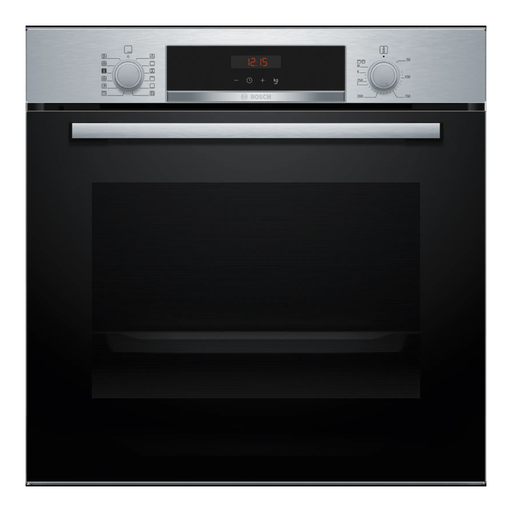 No image available
This single oven suits a kitchen where biscuit baking does not need a separate cooking cavity, while pyrolytic cleaning addresses maintenance rather than baking accuracy. Check usable shelf levels, whether it has the timer you need and the hardwired installation requirements.
 No image available
A single cavity may be sufficient when biscuit batches do not compete with another dish. Confirm the usable shelf arrangement and timer for your batches, then check the hardwired connection requirements and model-specific evidence of baking consistency.
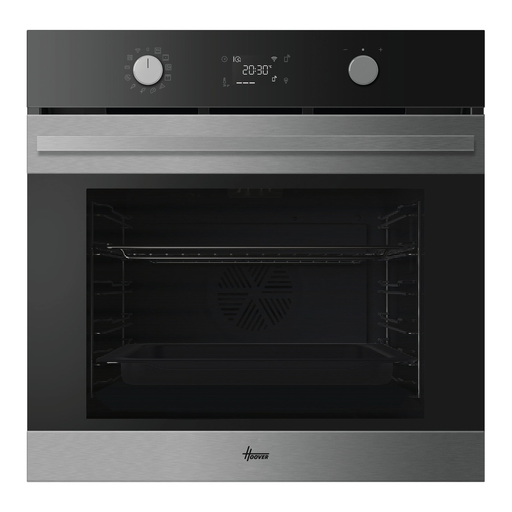 No image available
This single-cavity oven is an option if biscuit baking does not require a second cooking zone. Check its fan function, usable shelf levels and timer against your batch routine, and confirm the electrical connection and cabinet cut-out before purchase.
Usually not if one cavity can handle your biscuit trays and other cooking. Consider a double oven when another dish regularly needs its own cooking zone; check which cavity has fan cooking, along with the cabinet fit and electrical connection.
Check the exact model’s fan-heating function and look for independent evidence of heat distribution and temperature accuracy. Which? assesses both factors in built-in ovens; a manufacturer’s airflow description alone cannot establish how evenly a particular oven bakes.
Follow the exact model’s installation instructions rather than assuming it uses a standard plug. Electrical Safety First advises having an oven fitted by a qualified electrician; check its connection and power requirements before arranging installation.
GOV.UK’s food-business allergen guidance does not establish a labelling duty for biscuits made only for your household. If biscuits are supplied through a food business, check the applicable allergen-information requirements for almonds and for the way the food is provided.
No; cleaning functions address maintenance, not whether biscuit batches bake evenly. Check fan cooking, shelf space and temperature accuracy for the baking task, then compare the cleaning methods on models that meet those needs.