Small-kitchen occasional bakers
If you bake one lunchbox-sized cake at a time, a compact plug-in oven may fit your routine. Allow worktop space around the appliance and check your tin against its internal measurements.


For an occasional single-tin coffee cake, a countertop fan-assisted oven is a sensible choice if your tin fits its usable cavity and you have suitable worktop space. Consider a multifunction countertop oven if you will use its other modes regularly; a built-in fan oven better suits frequent or multi-shelf baking, but needs kitchen space and an appropriate installation. Whichever route you choose, check the actual baking function and follow your recipe’s fan-oven guidance.
If you bake one lunchbox-sized cake at a time, a compact plug-in oven may fit your routine. Allow worktop space around the appliance and check your tin against its internal measurements.
If the oven will handle meals as well as cake, modes such as air-frying or steaming may matter more to you. Consider which functions you will use and maintain regularly.
If you bake larger cakes or use several shelves, a built-in oven may suit your capacity needs. Check the cabinet space and electrical connection required for the particular model.
Choose it when: One small cake at a time is your usual bake and a plug-in worktop appliance suits your kitchen.
Accept the trade-off: The smaller cavity limits tin size and how much you can bake at once.
Choose it when: You will regularly use cooking modes beyond cake baking.
Accept the trade-off: Extra controls and, on steam-capable models, water-tank care add to upkeep.
Choose it when: Frequent baking or several shelf levels matter more than worktop convenience.
Accept the trade-off: It needs a suitable fitted-kitchen space and model-specific installation.
For a lunchbox coffee cake, make the oven’s fit and baking function your starting points, then decide whether other cooking modes or greater capacity justify the space and upkeep.
| Concern | What to check | Who this matters to |
|---|---|---|
| Worktop and tin fit | Compare your tin’s outside width, depth and height with usable rack and cavity dimensions; check the space required around the oven. | I have room for one small cake, but need the tin to clear the door and heating elements without crowding the cavity. Around 42% of consumers put worktop and tin fit first. |
| Functions and upkeep | Check for a suitable baking mode and adjustable temperature; review water-tank and descaling instructions if you want steam. | I would use this appliance for other everyday cooking, so extra modes need to earn their place in my routine. For around 25% of consumers, useful functions are the primary concern. |
| Baking capacity and installation | Check the oven function, usable shelf layout, cabinet dimensions and electrical connection specified for the model. | I bake often or need several shelves, and can accommodate a fitted appliance. Greater baking capacity is the main priority for around 33% of consumers. |
A capacity figure does not tell you whether your cake tin will fit on the rack, clear the door and heating elements, or leave room for air circulation.
Measure the tin’s outside dimensions, including any handles, and compare them with the manufacturer’s internal cavity and rack measurements.
Which? distinguishes a fan oven with a rear circular heating element from fan-assisted settings that circulate heat from other elements. A fan symbol alone does not identify the baking function.
Check the manual for the exact setting you intend to use, then follow your recipe’s guidance for that type of oven.
Installation depends on the model. Bosch specifies a fixed electrical connection by an electrician for its MBA533BB3B built-in double oven.
Check the cabinet cut-out, connection requirements and installation arrangements before choosing a fitted oven.
A fitted installation may also require cabinetry work.
Steam and automatic programmes may be useful for other cooking, but a steam-capable model also brings water-tank and descaling tasks.
Choose those functions if they address cooking you do regularly, not simply because they appear on the control panel.
Russell Hobbs UK describes its Mini Kitchen 22780 as a 30-litre countertop oven with fan assistance and a 60–230°C thermostat.
Ninja Kitchen UK markets the DT200UK as a countertop oven with baking, roasting, pizza and air-fry functions.
Smeg UK describes the COF01 as a multifunction countertop oven with traditional baking, convection and steam-capable cooking.
Bosch GB specifies 3D Hotair for up to three levels on the MBA533BB3B built-in double oven.
These choices include built-in ovens for fitted kitchens and a multifunction countertop oven. For each one, confirm that its baking function, temperature settings and usable space suit your cake tin and recipe.
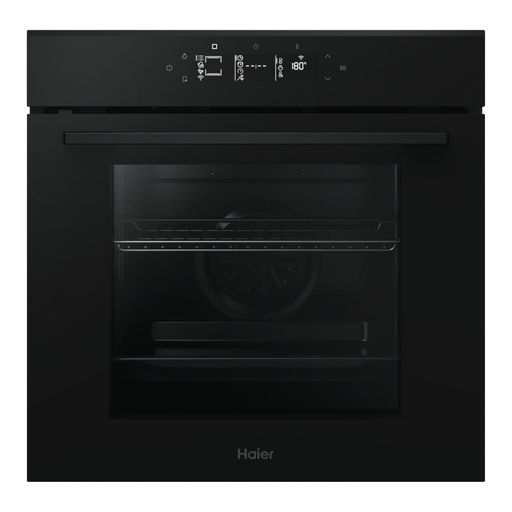 Image unavailable
Consider this built-in model if you have a fitted-kitchen space and want a 70L oven for baking alongside other cooking.
Before choosing it for a coffee cake, confirm the precise baking and fan functions, the applicable temperature range, cabinet fit and electrical requirements.
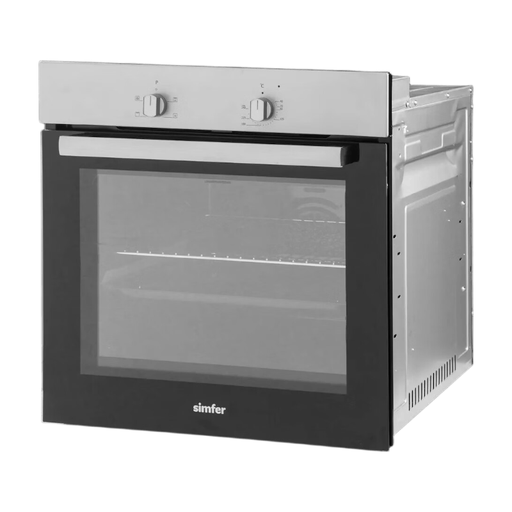 Image unavailable
This built-in fan oven is an option if your kitchen can accommodate a fitted appliance rather than a worktop oven.
Check its temperature range against your recipe, and confirm the cabinet cut-out and electrical installation requirements.
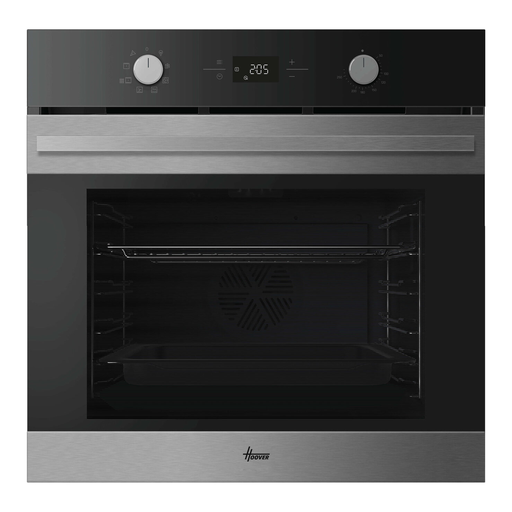 Image unavailable
The 78L built-in format is worth considering if you want a fitted oven for more cooking than a single small cake.
Confirm which setting is intended for cake baking, its temperature range, cabinet fit and electrical requirements.
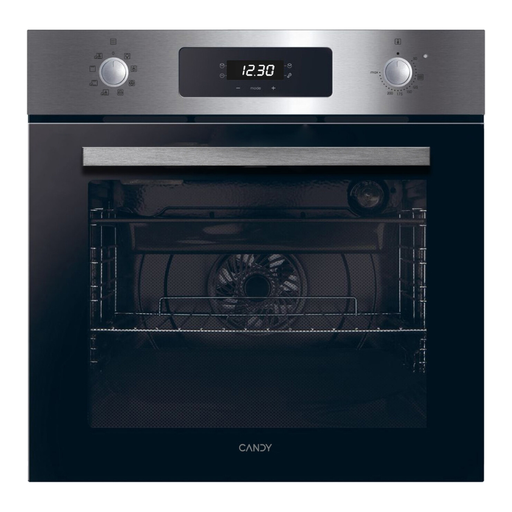 Image unavailable
This 70L built-in oven may suit a fitted kitchen where you also want space for other cooking.
Check its specific cake-baking and fan settings, temperature range, cabinet dimensions and electrical installation requirements.
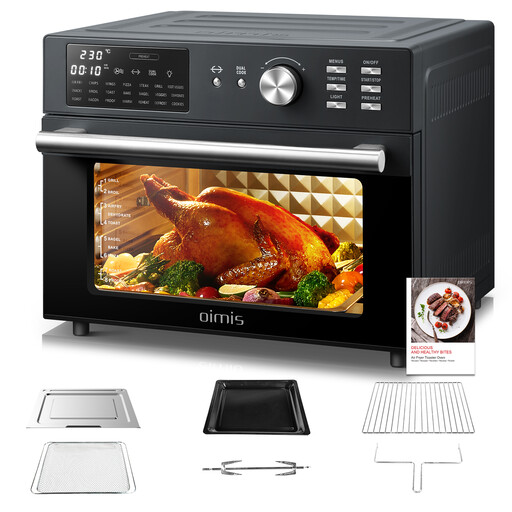 Image unavailable
Consider this countertop option if you want an air-fryer toaster oven for tasks beyond one coffee cake.
Its name specifies 30L and 21 presets. Check that it has a suitable cake-baking setting and temperature range, and compare your tin with the usable rack and cavity dimensions.
No. Which? explains that a true fan oven circulates heat from an element around the fan, but heat distribution can still vary between ovens. Check the model’s actual baking function and follow your recipe’s fan-oven temperature guidance.
Yes, if your tin fits with adequate clearance and the model offers a suitable baking setting and temperature range. Russell Hobbs UK specifies a 30-litre fan-assisted oven and a 60–230°C thermostat for its 22780, but those figures do not establish the fit of your particular tin.
A countertop model designed for a standard 13A socket does not need the fixed installation specified for some built-in ovens. Check the exact appliance instructions for its electrical connection, placement and clearance requirements; do not assume that connection arrangements are interchangeable between models.