Regular nut-loaf batch cooks
If you make the same loaf repeatedly, focus on the exact oven’s fan function and how evenly it cooks with your usual tin and shelf position. Browning on top is not, by itself, a check on the centre.


Choose a full-size fan oven if you regularly roast more than one nut loaf at the same temperature, provided its shelves and internal dimensions accommodate your tins. A double oven becomes useful when other batch-cooked dishes need a separate temperature; a compact combination appliance needs a closer check of tin fit, rack clearance and cooking modes before you choose it instead.
If you make the same loaf repeatedly, focus on the exact oven’s fan function and how evenly it cooks with your usual tin and shelf position. Browning on top is not, by itself, a check on the centre.
If vegetables, sides or another bake share the cooking session, decide whether they can use the loaf’s temperature. NEFF describes separate temperature zones in its double ovens; a suitable single fan cavity may suffice when the dishes can cook together.
If a freestanding appliance suits your space better than a built-in oven, compare the loaf tin with the usable cavity and rack arrangement. A litre figure alone cannot tell you whether the tin fits.
Start with the number of tins and temperatures you need at once. Then check usable space and the installation requirements of the exact appliance.
Choose it when: One cavity can hold the tins you intend to roast at the same temperature.
Trade-off: It cannot give accompanying dishes an independently controlled temperature. NEFF describes standard single built-in ovens as 60 cm wide and 60 cm high, but those external dimensions do not establish usable shelf space.
Choose it when: The nut loaf regularly cooks alongside food needing another temperature; NEFF describes separate cavities for this purpose.
Trade-off: A double oven needs a compatible taller housing opening and offers little reason to change setups solely for two tins that already fit in one fan cavity.
Choose it when: You need a freestanding appliance with convection and microwave functions, and your loaf tin fits with the required rack clearance.
Trade-off: Compact capacity figures do not establish the usable baking footprint, so check the interior and permitted cookware before relying on it for a batch.
| Concern | What to check | Who this matters to |
|---|---|---|
| Even roasting | Confirm the exact model’s fan mode; look for independent heat-distribution and temperature-control results where available. Which? tests these separately. | If I make the same nut loaf regularly, I want its centre and crust to cook predictably rather than judging it by surface colour alone. Around 38% of consumers put repeatable roasting first. |
| Space for simultaneous cooking | Compare your tins with internal dimensions and shelf positions, then decide whether other dishes need a separate temperature zone. | When I cook several dishes on batch day, I need room for the loaf without disrupting food that needs a different setting. For around 37% of consumers, simultaneous cooking is the primary concern. |
| Installation and upkeep | Check the housing and electrical requirements of a built-in model, plus its cleaning features; plan space to cool and store cooked portions. | I need the oven to fit my kitchen and the cooking routine to remain manageable once the portions are ready. Installation, cleaning and storage come first for around 25% of consumers. |
Nominal cavity capacity does not describe the width of a shelf or the clearance around a loaf tin. A second tin also needs a permitted position with enough space around it.
Measure each tin, then check the exact appliance’s internal dimensions, rack dimensions and permitted shelf positions.
Plug and hardwiring requirements differ by model. Bosch specifies electrician connection for its HQA574BB3B, while Electrical Safety First advises having ovens fitted by a qualified electrician.
Check the model’s installation instructions, electrical requirements and cabinet opening before arranging delivery or fitting.
Allow for the electrician’s work and any cabinet alterations your kitchen requires.
Batch cooking continues after the oven is switched off: the loaf needs a cooling and storage plan. GOV.UK home guidance for England, Northern Ireland and Wales advises refrigerating cooked food within one to two hours.
Divide the cooked loaf into smaller portions so it cools more quickly, then refrigerate it promptly; eat leftovers within 48 hours or freeze them, in line with that guidance.
Fan features concern heat circulation, but the finished loaf also depends on its recipe, tin, shelf position and cooking time. Which? assesses oven heat distribution and temperature-control accuracy as separate measures.
Use the recipe as a starting point, leave appropriate space around the tins and check the loaf through the centre rather than relying on its browned surface.
The Series 4 HQA574BB3B is a built-in example for cooks comparing multilevel fan functions and cleaning options.
The 5000 SurroundCook OU5AB20CK is a built-in example with a stated 65-litre capacity and multilevel cooking.
NEFF offers a useful configuration comparison for batch cooks choosing between a single oven and separate-cavity double ovens.
These choices include built-in single ovens and combination appliances for cooks weighing full-size oven space against more compact ways to use convection. For each model, compare the usable cavity and installation requirements with your own tins and kitchen.
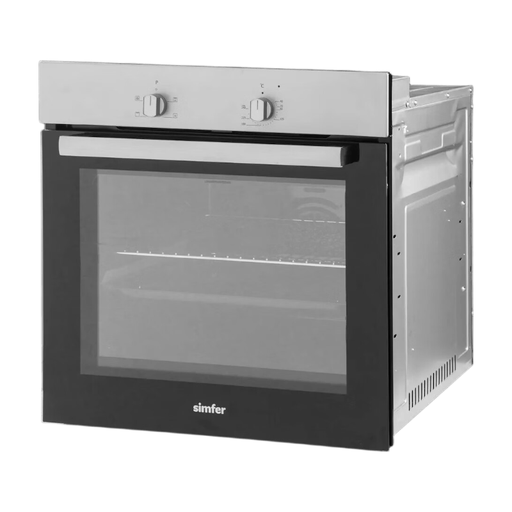 No image available
Consider this single-cavity option if your nut loaf and any accompanying dishes can cook at the same temperature.
Check the internal shelf positions and loaf-tin clearance, along with the cabinet opening and electrical connection, before choosing it for your kitchen.
 No image available
This single-oven format is worth considering when one cavity can accommodate your planned loaf-tin arrangement.
Confirm usable shelf space and the exact model’s cooking functions and electrical requirements. Do not assume that features of the different Bosch HQA574BB3B model described above apply here.
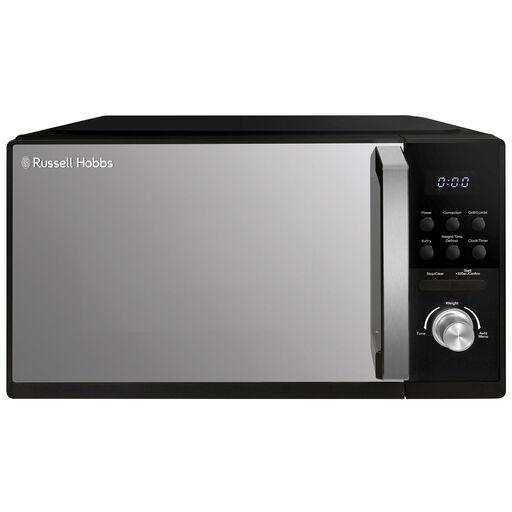 No image available
For a freestanding alternative, compare your loaf tin with this model’s usable space before planning a convection bake.
The stated 25-litre capacity does not establish tin fit with a cooking rack in place. Check rack clearance and the ventilation space required at your intended countertop location.
 No image available
Consider this combination model if microwave and convection cooking both matter to your routine, rather than choosing it on cavity volume alone.
Check the internal dimensions, rack arrangement and installation type against your loaf tin and intended kitchen space.
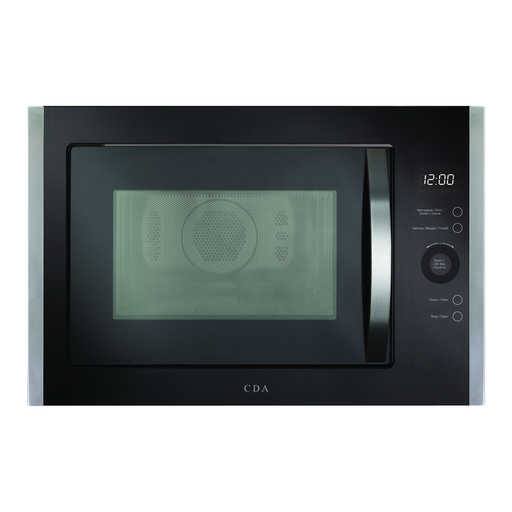 No image available
This built-in combination format may suit a kitchen where microwave and convection functions need to share one fitted appliance.
Its stated 25-litre capacity does not establish loaf-tin fit. Check internal and rack clearances, cabinet compatibility and electrical requirements for the exact installation.
No, if your tins fit in a single fan oven and the loaves can cook at the same temperature. A double oven is more relevant when other batch-cooked food needs a separate temperature; NEFF describes its double ovens as having independently usable cavities.
Check the exact oven’s connection requirements before arranging installation. Electrical Safety First advises having an oven fitted by a qualified electrician and notes that some models need hardwiring; Bosch specifies electrician connection for its HQA574BB3B.
Divide cooked food into smaller portions to help it cool, then refrigerate it promptly. GOV.UK home guidance for England, Northern Ireland and Wales advises putting cooked food in the fridge within one to two hours and eating leftovers within 48 hours or freezing them.
Plan to reheat only the portion you need. GOV.UK food-hygiene guidance for businesses says food should be reheated until steaming hot throughout and should be reheated only once.