Weekly lunchbox batch bakers
If you bake more than one tray, look for documented multi-level cooking and check the shelf guidance for the exact oven. A timer and controls you find straightforward to use also matter for a repeated routine.


A built-in single fan oven is a sensible choice when lunchbox oat bars are your main batch bake; consider a double oven if you regularly need to cook another dish at a different setting at the same time. For several trays, check the exact model’s multi-level cooking guidance rather than assuming every fan oven behaves alike. Cabinet fit and electrical connection need checking before cleaning features or controls become deciding factors.
If you bake more than one tray, look for documented multi-level cooking and check the shelf guidance for the exact oven. A timer and controls you find straightforward to use also matter for a repeated routine.
If oat bars share oven time with everyday meals, compare the exact cleaning system as well as the cooking functions. Sticky spills make the distinction between manual cleaning, assisted cleaning and pyrolytic cleaning relevant.
If an existing cabinet and electrical connection must stay, check the installation dimensions and connection requirements before comparing cooking features. Electrical Safety First advises having an oven fitted by a qualified electrician.
Choose when: One oat-bar tray is typical and extra trays are only an occasional need.
Trade-off: A single cavity cannot cook a separate dish at a different setting at the same time.
Choose when: Capacity and easier removal of baked-on residue both matter to your regular cooking.
Trade-off: Installation still needs checking: AEG specifies its 72 L OU5PB40PK as hardwired only, with a 3490 W electrical load.
Choose when: Lunchbox baking regularly overlaps with a meal that needs a separate cavity or setting.
Trade-off: A double oven needs a suitable taller cabinet opening; check each cavity’s usable size rather than relying on the combined capacity.
| Concern | What to check | Who this matters to |
|---|---|---|
| Repeatable traybakes | Check the exact model’s fan mode and stated multi-level shelf guidance. | If I prepare several lunchboxes at once, I want to know whether I can use more than one tray without relying on guesswork. Around 42% of consumers put batch consistency and throughput first. |
| Cabinet and electrical fit | Compare the cabinet opening with the installation diagram, then check the connection type and electrical load. | With a fixed kitchen cabinet and circuit, I need an oven that can be installed in the space I already have. For roughly 33% of consumers, fit and installation are the primary concern. |
| Cleaning and energy information | Identify the exact cleaning system and inspect the model’s energy label and product information. | When sticky baking residue makes cleaning a recurring job, I want to weigh that effort alongside the oven’s energy information. About 25% of consumers chiefly prioritise these practicalities. |
Manufacturers specify different fan systems and multi-level arrangements. Which? assesses heat distribution and temperature accuracy in its oven testing, but a multi-level feature claim alone does not establish how a particular oat-bar recipe will turn out.
Check the exact model’s shelf guidance and try a batch before making simultaneous trays part of your lunchbox routine.
Appliances with similar-looking fronts can require different cabinet openings and electrical connections. Bosch specifies a GB plug for the HHF113BR0B, while AEG specifies hardwiring for the OU5PB40PK.
Compare the installation diagram with your cabinet, including ventilation requirements, and check the exact connection instructions with a qualified electrician.
Cleaning features vary by model. Bosch lists no integrated cleaning system for the HHF113BR0B; NEFF lists both pyrolytic programmes and EasyClean for the B6ACH7AG7B.
Read the exact model’s cleaning specification and manual, then decide whether its cleaning routine fits how often you bake.
The rating does not replace a comparison of the information for the cavities and cooking modes you expect to use.
Inspect the exact oven’s energy label and product information, and compare ovens on a like-for-like basis.
The Series 2 HHF113BR0B illustrates a built-in single-oven route for occasional multi-tray baking.
The B1GCC0AN0B and B6ACH7AG7B show how multi-level cooking and cleaning options differ within NEFF’s built-in oven range.
The OU5PB40PK is a built-in single-oven example for shoppers considering a larger cavity alongside a cleaning programme.
These built-in electric ovens include single-oven choices for traybaking and a double-oven choice for cooking a separate dish at the same time. Check the exact model’s shelf guidance and installation requirements against your routine and kitchen.
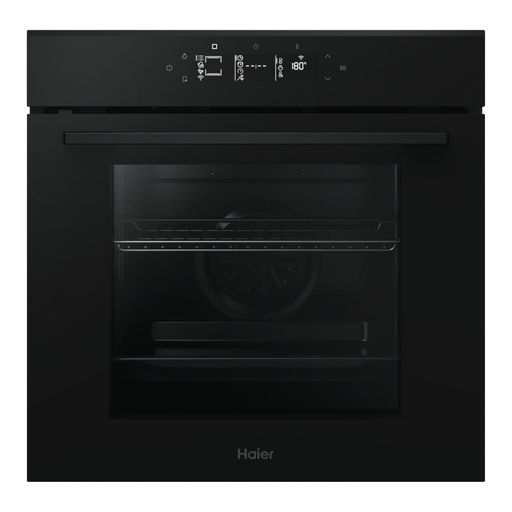 No image available
For regular oat-bar batches, check the model’s shelf guidance against the number of trays you plan to bake together.
The product name states a 70 L capacity and an A+ rating; inspect the energy label for the exact model when comparing ovens.
 No image available
Consider this single-oven format if lunchbox traybakes are the main task and you do not need a second cavity.
Check the HHF113BA0B’s exact shelf instructions, cabinet cut-out and electrical connection before relying on it for your kitchen and batch size.
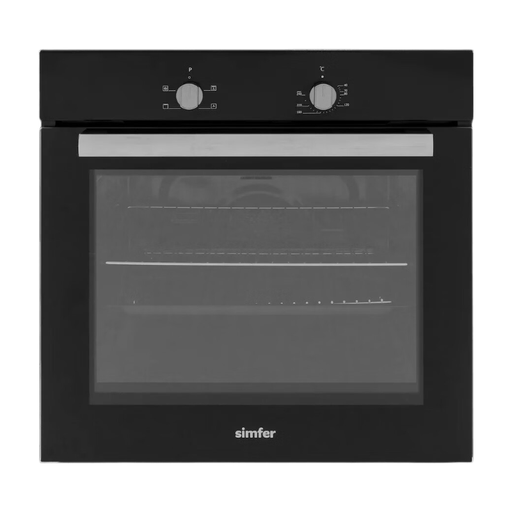 No image available
This single fan-oven format is relevant if you usually bake one lunchbox tray at a time.
If you want to bake several trays together, check the FO60B’s shelf guidance. Confirm the installation dimensions and electrical requirements for your kitchen.
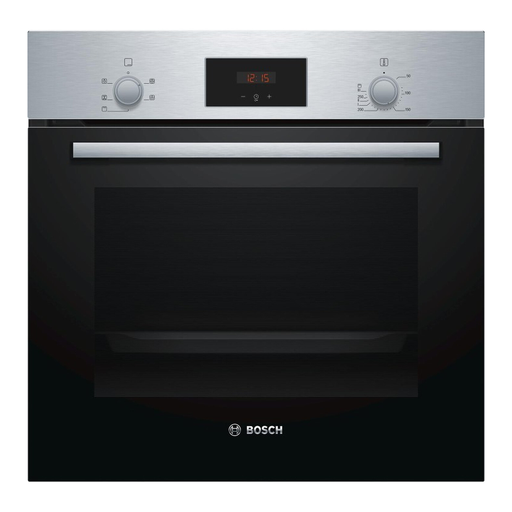 No image available
This is a single-oven option if you occasionally want to bake several lunchbox trays together.
Bosch specifies 3D Hotair cooking on up to three levels and appliance dimensions of 595 × 594 × 548 mm for the HHF113BR0B. Check its cabinet installation diagram and confirm the connection requirements for the exact appliance before arranging fitting.
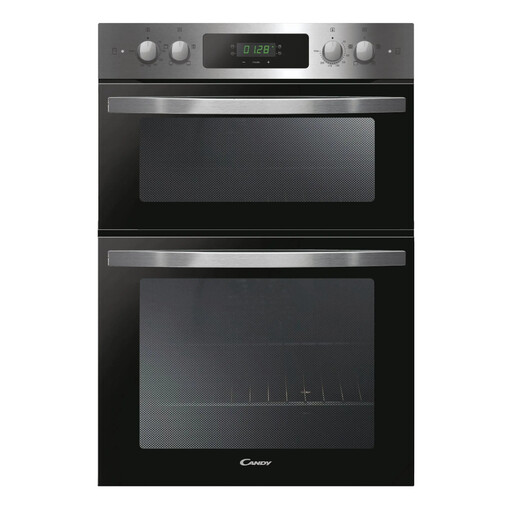 No image available
A double oven is worth considering when an oat-bar bake regularly overlaps with cooking another dish.
The product name states an A rating. Check each cavity’s cooking modes and usable tray space, as well as the cabinet opening and electrical requirements, before choosing it for that routine.
No particular oven mode is required for every oat-bar recipe, but a fan oven is a useful option to examine if you also want to bake on more than one shelf. Follow the recipe and the oven manual’s guidance for fan settings, then try a batch before settling on a lunchbox routine.
Yes, if the exact oven supports multi-level cooking and its shelf guidance accommodates your trays. Bosch specifies up to three levels for the HHF113BR0B, but tray size, mixture thickness and shelf placement still matter to your results.
Check the exact oven’s installation instructions and have its electrical requirements assessed before arranging fitting. Electrical Safety First advises having an oven fitted by a qualified electrician; models differ in their connection arrangements.
It may be worth considering when baked-on residue makes oven cleaning a recurring task. AEG specifies pyrolytic cleaning for the OU5PB40PK, but cleaning is only one part of the choice: that model also needs a suitable cabinet and hardwired electrical connection.
Inspect the exact oven’s energy label and product information, then compare models with similar cavities and intended cooking modes. Great Britain’s government energy-information guidance sets labelling requirements for products within its scope; a rating letter on its own does not describe your particular baking routine.