Single-tray lunchbox cooks
If you usually roast one tray, focus on a usable fan setting, room to spread the wedges out and controls that suit your cooking routine. Extra shelf capacity matters less unless your routine changes.


For one tray of lunchbox onion wedges, start with a single oven that has a fan setting and enough tray space to spread the wedges out. Consider multi-level cooking or a second cavity if you regularly prepare several dishes at once; whichever route you take, check the housing, electrical connection and cleaning method before ordering.
If you usually roast one tray, focus on a usable fan setting, room to spread the wedges out and controls that suit your cooking routine. Extra shelf capacity matters less unless your routine changes.
If you prepare several lunchbox portions or cook other food alongside the wedges, check the shelf layout and the exact model’s stated multi-level cooking functions.
If the oven must fit existing kitchen housing, check the installation drawing and connection requirements before deciding between cooking features. Electrical Safety First notes that oven connection arrangements vary.
Choose for your usual tray and cooking load before adding capacity or cleaning features. For a built-in oven, physical fit and the required connection remain part of that choice.
Consider it when: You usually make one tray or a modest batch of onion wedges.
Trade-off: Fan circulation does not replace spreading the wedges out or turning them when the recipe calls for it.
Consider it when: You regularly use several shelves for lunchbox preparation.
Trade-off: AEG, Hotpoint and NEFF describe multi-shelf functions on selected ovens, but the applicable levels and cooking conditions depend on the model.
Consider it when: Wedges are one part of frequent simultaneous cooking and separate cavities would be useful.
Trade-off: Check that both the housing and the cavity you would use accommodate your usual tray.
| Concern | What to check | Who this matters to |
|---|---|---|
| Roasting on one tray | Check for a fan setting and enough usable tray area to spread the wedges in one layer. | I want the wedges to have room on the tray rather than crowding them into a small space. Around 33% of consumers put reliable roasting first. |
| Batch capacity | Check usable shelf positions and whether the exact model specifies multi-level cooking. | Several lunchboxes, or wedges cooked alongside another dish, make simultaneous cooking my priority. For around 27% of consumers, batch capacity comes first. |
| Cleaning | Identify the exact cleaning system and which trays or fittings need washing separately. | Frequent roasting leaves me weighing up the work of cleaning trays and the oven cavity. Around 20% of consumers prioritise easier upkeep. |
| Installation fit | Compare the installation drawing, housing dimensions and connection instructions with your kitchen. | Before choosing extra functions, I need an oven that fits the available space and connection. That is the primary concern for around 20% of consumers. |
A capacity figure does not tell you whether your usual tray fits or leaves enough room to spread out the wedges.
Measure the tray and cabinet opening, then compare them with the model’s installation drawing, shelf layout and supplied accessories.
Multi-level functions are model-specific. AEG and NEFF describe different shelf capabilities for their selected ovens, so a general fan-oven label is not enough to establish the same use.
If you batch-cook, check the chosen model’s multi-level mode and its stated conditions. For one tray, decide whether you would use that function at all.
Electrical Safety First notes that oven connection requirements vary; the existing arrangement may not suit the model you choose.
Check the model’s rated load and installation instructions, and consult a qualified electrician if the electrical suitability is uncertain.
The required connection may also involve electrical or kitchen work before the oven can be installed.
A gas oven or dual-fuel cooker is not a straightforward substitute for an electric built-in oven simply because the cooking space is available.
For UK gas work, use the Gas Safe Register to check that the engineer is registered and qualified for the intended appliance work.
Relevant if you are comparing built-in fan ovens with model-specific multi-level cooking and cleaning options.
Relevant if you want to compare specific multi-level hot-air and cleaning arrangements.
Relevant to frequent batch cooks comparing ovens with CircoTherm.
Relevant if you are comparing multifunction fan ovens and selected steam-assisted cleaning features.
These choices include single electric ovens for a usual one-tray routine and double ovens to consider if you also need separate cooking space. Check the tray fit and installation instructions for any model you shortlist.
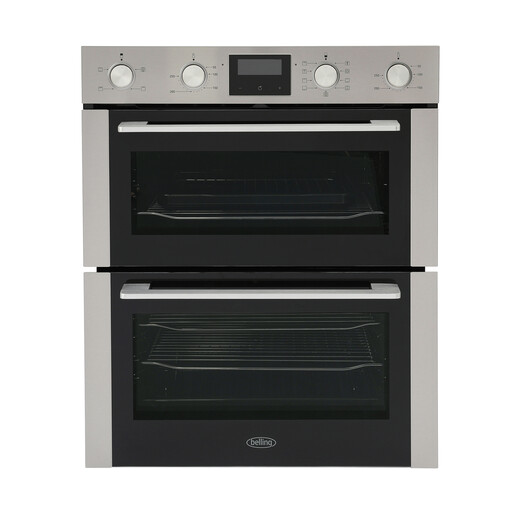 No image available
Consider this built-under option if your lunchbox preparation calls for more cooking space than a single tray. Check the cooking functions for the cavity you would use, the housing and electrical requirements, and whether your tray lets the wedges sit in one layer.
 No image available
Consider a double oven if you regularly cook onion wedges alongside another dish. Check that this model suits eye-level housing, that your usual tray fits the cavity you plan to use, and that its installation instructions match your electrical arrangements.
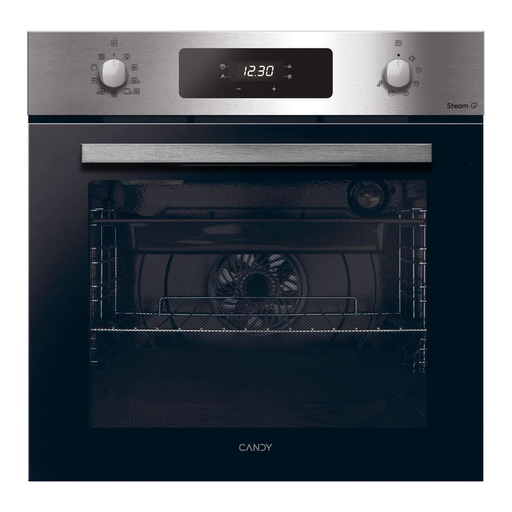 No image available
A single built-in oven is a route for a usual one-tray batch; this variant also lists pyrolytic cleaning. Check its fan settings, tray fit and installation instructions. Follow the model’s instructions for removing fittings before a cleaning cycle.
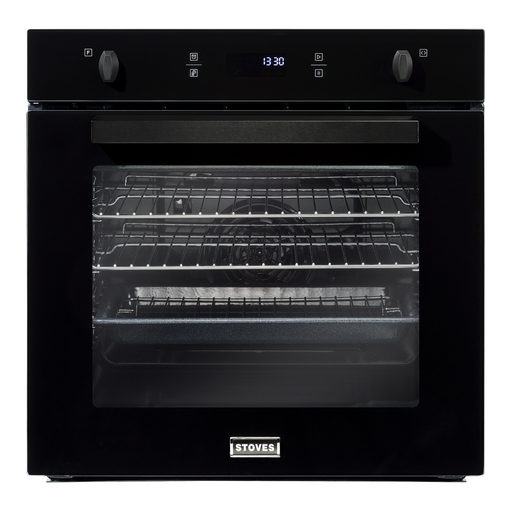 No image available
This single-oven format is worth considering for a modest lunchbox batch if its cooking functions suit your recipe. Pyrolytic cleaning is stated in the product name; check tray space, the installation opening and the required electrical connection before ordering.
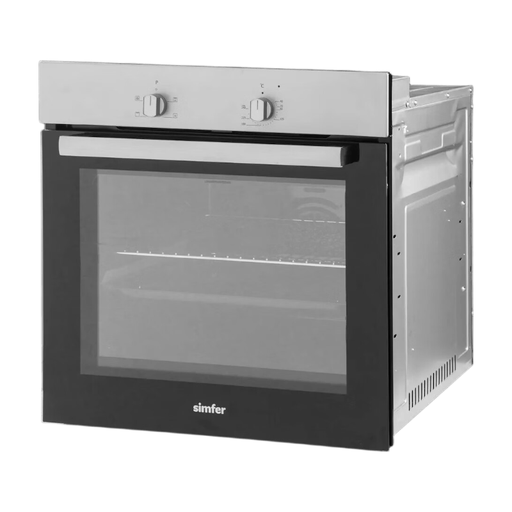 No image available
The stated fan-oven format suits a shortlist for one tray of wedges. Before choosing it, check the cooking controls, whether your tray fits in one layer, the installation opening and the electrical connection instructions.
Follow your onion-wedge recipe; as a starting reference, Good Food’s roast-vegetable recipe uses 180°C fan, spreads the vegetables in an even layer and turns them halfway through. Check the wedges’ tenderness and browning because size and tray loading affect cooking.
No: a single oven with a suitable fan setting and tray space is the more direct choice for one tray. Consider multi-level functions if you regularly cook several trays; AEG, Hotpoint and NEFF describe such functions on selected models, so check the instructions for the oven you choose.
No. Electrical Safety First notes that oven connection requirements vary. Compare the selected model’s installation instructions and rated load with your kitchen arrangement, and consult a qualified electrician if suitability is uncertain.
Plan for a Gas Safe registered engineer who is qualified for the intended appliance work. Gas Safe Register states that gas businesses and engineers must be registered by law and provides a way to check an engineer’s qualifications.