Precision pastry-twist bakers
If colour and texture across a tray matter most to you, focus on the stated fan mode, temperature guidance and recommended shelf position rather than the number of extra cooking functions.


For pastry twists, choose an oven with a specified fan or hot-air mode and shelf guidance that suit the number of trays you bake. A built-in single oven suits baking in one cavity; consider a double oven when you also need a separate cooking temperature, provided your cabinet and electrical setup can accommodate it. If you need a non-integrated appliance instead, check a countertop model’s usable tray size and placement requirements.
If colour and texture across a tray matter most to you, focus on the stated fan mode, temperature guidance and recommended shelf position rather than the number of extra cooking functions.
If you make several trays or cook another dish at the same time, check the supported baking levels, usable space and whether you need a second cavity with its own setting.
If you are replacing or integrating an oven, cabinet fit, electrical connection, cleaning requirements and energy information can determine which models are practical for your kitchen.
Start with the fan mode and tray arrangement you will use for pastry twists, then decide whether your batch size calls for another cavity. Check installation requirements before choosing a built-in model.
| Concern | What to check | Who this matters to |
|---|---|---|
| Even browning | Check the exact fan or hot-air programme and the manual’s tray and shelf-position guidance; do not assume every mode supports the same arrangement. | If I want consistent colour across my pastry twists, the specified baking mode matters more to me than a long function list. Around 50% of consumers would put this baking concern first. |
| Batch capacity | Compare usable tray space and the stated number of baking levels; consider separate cavities if another dish needs a different temperature. | Several trays, or pastry alongside dinner, make cooking space my deciding factor. For around 30% of consumers, capacity or separate cooking zones would be the primary need. |
| Fit and upkeep | Match the installation sheet to your recess and electrical supply, then check cleaning instructions and energy information for your delivery region. | When replacing an integrated oven, I need to know it can be installed and maintained in my kitchen. Around 20% of consumers would prioritise these practical checks. |
Manufacturers describe different fan systems and may limit multi-level cooking claims to particular programmes or shelf positions.
Check the exact model’s manual for the mode and tray arrangement you intend to use for pastry twists.
The appliance must fit the cabinet recess and meet the model’s connection requirements; single and double ovens can call for different housing.
Measure the recess and access route, consult the installation sheet and have the electrical supply assessed where required.
Electrical Safety First warns that oven power requirements need checking to avoid overloading wiring.
Follow the manufacturer’s specified connection method and consult a qualified electrician if circuit suitability is uncertain.
Cleaning systems differ by model and do not replace the oven’s care and safety instructions.
Read the exact cleaning procedure and allow the oven to cool before routine cleaning.
AEG is relevant when comparing built-in true-fan ovens with stated multi-level cooking. Its OU5AB20CK is one model to examine for this use.
NEFF’s CircoTherm range is relevant to bakers considering several shelves in one hot-air cavity.
Bosch offers models to consider when weighing a single built-in cavity against a double oven with hot-air cooking in the main cavity.
These built-in single and double ovens offer different ways to plan pastry-twist baking, including a gas fan model. Compare the cooking mode and tray guidance with your usual batch, then check whether the required installation suits your kitchen.
 No image available
Consider this built-in double oven if you need a separate cooking space while pastry twists bake. Confirm the main cavity’s hot-air tray guidance, the required housing dimensions and the electrical connection before ordering.
 No image available
This single-cavity option is worth considering when you do not need a second cooking temperature. Check the 3D Hotair shelf guidance for your intended trays, the cabinet cut-out and the hardwired installation requirements.
 No image available
Consider the separate cavities if pastry and another dish need different settings. Check the main fan oven’s guidance for simultaneous trays, the cabinet cut-out and the electrical installation requirements.
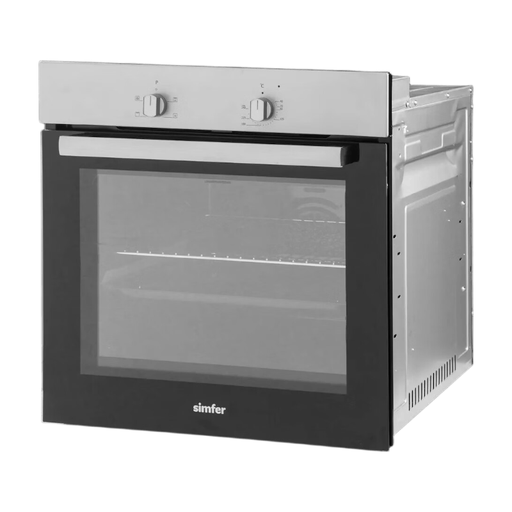 No image available
This single fan oven is an option for baking without a second cavity. Check the manual’s fan-baking tray guidance and obtain the exact installation dimensions before assuming it fits your recess.
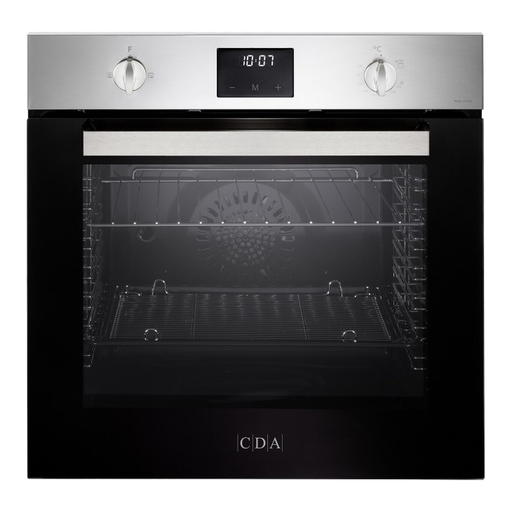 No image available
Consider this gas fan oven only if a gas installation suits your kitchen. Confirm the applicable gas type or conversion requirements and check the model manual before planning multi-tray pastry baking.
Use the fan or hot-air setting specified for baking in your oven’s manual, with its recommended temperature and shelf position. AEG, NEFF and Bosch use different names and conditions for their hot-air systems, so do not assume their programmes or supported baking levels are interchangeable.
A double oven is not necessary when one cavity accommodates your trays and cooking schedule. Consider one if you need another dish cooking at a different temperature, but check that the taller housing and connection requirements suit your kitchen.
The connection requirement depends on the exact model. Electrical Safety First advises checking an oven’s power requirements; if the installation specifies fixed wiring or you are unsure whether the supply is suitable, consult a qualified electrician rather than relying on an extension lead.
Ask for the exact model’s energy label and product information applicable to your delivery location. GOV.UK notes that energy-information rules differ between Great Britain and Northern Ireland, so check the regional basis before comparing appliances.
Confirm the listing’s delivery access, installation responsibility, warranty and returns terms, alongside the model’s cabinet and connection requirements. Check the terms for that specific purchase rather than assuming they are the same for every oven.