What matters when choosing an oven
Start with the appliance format: a built-in oven must suit the available housing and electrical arrangement. Then decide which need would most influence your choice for roasting pork tenderloin.
| Concern |
What to check |
Who this matters to |
| Core-temperature control |
Check whether the exact model includes a food probe that works with your chosen fan mode, or plan to use a separate thermometer. |
When the thickness of a lean tenderloin varies, I want to check its centre rather than rely on cooking time alone. Around 33% of consumers put that doneness-control need first. |
| Steam assistance |
Check which hot-air modes allow added steam and what water-handling and cleaning the model requires. |
If I roast lean cuts regularly, I want the option to manage oven humidity while I work towards a browned surface. Roughly 25% of consumers make that cooking control their primary concern. |
| Whole-meal capacity |
Compare usable shelf levels and cavity arrangement; consider whether one cavity can accommodate your roast and side dishes. |
For a meal with accompaniments, I need space to arrange the dishes, not just room for the tenderloin. Around 25% of consumers prioritise whole-meal capacity. |
| Everyday ownership |
Compare the installation instructions with your kitchen and identify the exact cleaning system. |
I would rather have an oven that fits my kitchen and a cleaning routine I can manage than pay attention to specialist modes I rarely use. Approximately 17% of consumers place straightforward ownership first. |
Oven brands to consider
These brand examples illustrate features found on particular built-in ovens; compare the specifications of individual models rather than assuming every oven in a range has the same equipment.
Bosch
A range to examine if you are comparing hot-air cooking, a roasting sensor and added steam as separate feature choices.
- Bosch lists a roasting sensor on the HBG6764S1 and an added-steam function on the HQA534BW3B.
- Those are different models: check the exact oven for the probe, steam setting and connection you need.
Neff
Relevant if multi-level CircoTherm cooking and a choice of cleaning systems matter to your meal routine.
- Neff describes cooking on up to three levels for the B1GCC0AN0B and lists pyrolytic and hydrolytic cleaning on the B2ACH7AG7B.
- The cited single-oven models specify no plug and electrical connection by an electrician; check installation requirements for the model you choose.
AEG
Worth examining if you want to compare built-in steam cooking and food-probe options.
- AEG describes steam programmes and temperature-probe functions within selected oven ranges.
- Steam and probe functions vary by line and model, so confirm both on the individual oven.
Miele
An option to examine if you want several cooking-control and cleaning features in one built-in model.
- Miele lists a wired food probe, Fan plus, Moisture plus and pyrolytic cleaning on the H 7464 BP.
- Check that this model’s wired-probe arrangement, cabinet requirements and maintenance routine suit your kitchen.
Built-in fan ovens on Joybuy
These built-in ovens are choices for the straightforward fan-oven route when roasting pork tenderloin. Compare the stated model features, then check the exact cooking modes, cabinet fit and electrical instructions before buying.
 No image available
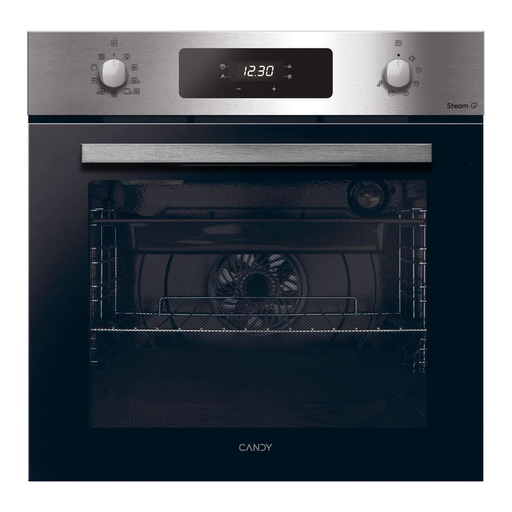
CANDY F CM955XRL/CN pyrolytic single oven, stainless steel
Consider this built-in electric oven if a pyrolytic cleaning system matters alongside fan-assisted roasting. Check the fan programme, cabinet fit and electrical instructions for this model, and confirm whether you will need a separate food thermometer.
View on Joybuy
 No image available
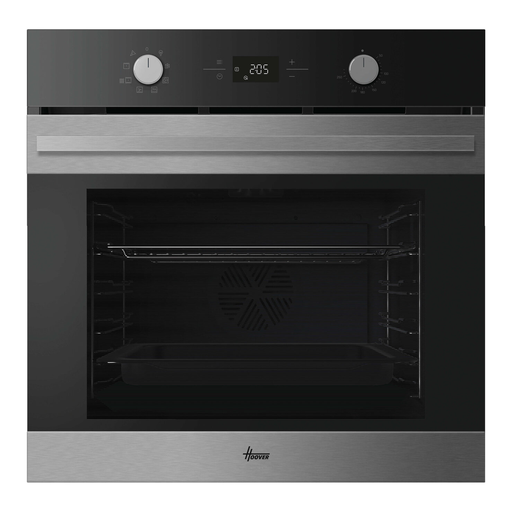
Hoover HO6 H3T1CTX Collection 3 70L built-in oven, stainless steel
Consider the stated 70L capacity if you plan to roast pork tenderloin with accompanying dishes. Check the convection programme and cleaning instructions, as well as the housing and electrical requirements for this model.
View on Joybuy
 No image available
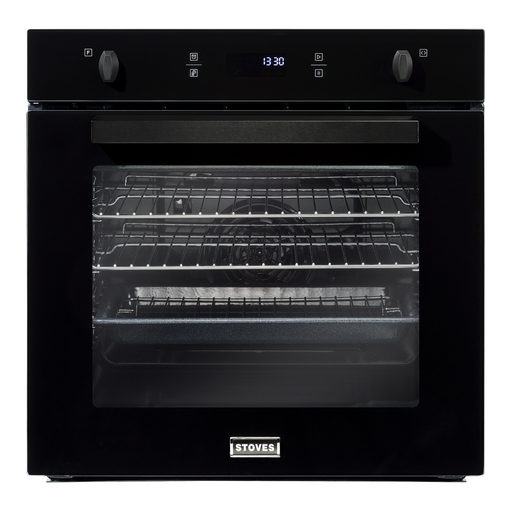
ST SEB602PY 60cm pyrolytic built-in oven, black
This single electric oven is a choice for fan-assisted roasting when pyrolytic cleaning is also a priority. Treat the 60cm designation as a starting point: compare the appliance and housing dimensions in its installation instructions before ordering.
View on Joybuy
 No image available
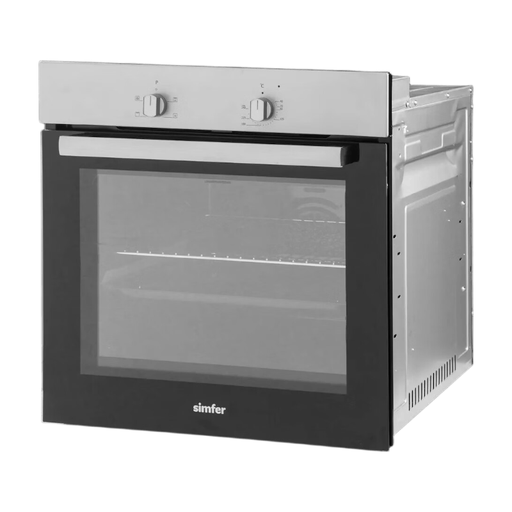
Simfer FO60S built-in fan oven, silver
Consider this single electric fan oven for a straightforward pork-tenderloin roast. Confirm its appliance and cabinet-fit dimensions carefully, along with its electrical connection and whether you want to use a separate food thermometer.
View on Joybuy
Questions about roasting and oven choice
Do I need a food probe to roast pork tenderloin?
No: a standard fan oven can roast pork tenderloin, and a separate thermometer is an option if you want to check core temperature. Choose an oven with an integrated probe if you want the appliance itself to monitor the centre; still follow suitable cooking guidance for the actual cut.
Is added steam necessary for pork tenderloin?
No: added steam is an optional cooking control, not a requirement for roasting pork safely. Bosch describes its Hotair Steam function as distributing heat and humidity, but that manufacturer description is not a guarantee of how an individual tenderloin will turn out.
Does a built-in oven need an electrician to install it?
Check the exact oven’s installation instructions and your kitchen’s electrical arrangement. Electrical Safety First advises having an oven fitted by a qualified electrician, while cited Neff built-in models specify connection by an electrician. Do not assume that every built-in oven has a standard plug.
Can I use the same temperature for conventional and fan-assisted roasting?
Not automatically: use the temperatures specified for each mode by your chosen recipe. One Arla UK pork-tenderloin recipe gives 175 °C for a conventional oven and 160 °C for a fan-assisted oven; those settings are specific to that recipe, not a rule for every cut or oven.
What should I check before using a newly installed oven?
Read the manufacturer’s operating and installation instructions before first use. Check that the electrical connection follows those instructions, and follow Electrical Safety First’s advice to keep flammable items away from hot oven surfaces.


