Everyday casserole cooks
If one oven cavity handles your casseroles, traybakes and routine family meals, compare built-in single ovens by dish clearance, fan settings and cleaning features.


A countertop mini oven is an option when you lack a fitted oven, provided your casserole dish fits its usable cavity. Choose a built-in single fan oven when one full-size cavity meets your routine needs, or a double oven when you regularly cook the casserole and other dishes in separate cavities. Before ordering, check dish clearance, kitchen dimensions and the exact model’s electrical connection requirements.
If one oven cavity handles your casseroles, traybakes and routine family meals, compare built-in single ovens by dish clearance, fan settings and cleaning features.
A countertop mini oven may suit a studio flat, shared kitchen or caravan without a fitted oven. Check that the dish, including its handles and lid, fits inside.
If you regularly cook a casserole alongside other dishes, consider whether separate oven cavities would be more useful than cooking on multiple shelves in one cavity.
Consider it: When a fitted oven is unavailable and the dish fits the usable cavity.
Trade-off: Compact space can restrict a deep dish, lid or handles.
Consider it: When one full-size cavity suits your regular casserole meals.
Trade-off: A single cavity cannot give the casserole and sides independent oven settings.
Consider it: When you regularly need separate cavities for the casserole and another dish.
Trade-off: Check the taller housing space and electrical installation; the Beko BBXDF21000S, for example, requires hard-wiring.
For sausage casserole and related meals, start with dish clearance, then weigh cooking control, kitchen fit and cleaning.
| Concern | What to check | Who this matters to |
|---|---|---|
| Dish fit and meal capacity | Compare the dish’s width, depth and height, including handles and lid, with usable shelf dimensions and door clearance; litres alone cannot establish fit. | If my casserole dish is deep or has wide handles, I need room to put it in and take it out; around 40% of consumers put dish fit and meal capacity first. |
| Cooking control | Check fan-assisted modes, shelf positions and independent temperature-testing results where available. Which? tests built-in ovens’ temperature accuracy. | When I cook casseroles alongside other oven food, I want dependable temperature control rather than relying on a fan label; around 30% of consumers make cooking consistency their primary concern. |
| Space and installation | Compare appliance and housing or counter dimensions, then read the exact model’s connection and circuit requirements. | With limited kitchen space or an existing electrical setup to work around, I need an oven I can place and connect appropriately; around 20% of consumers prioritise space and installation. |
| Cleaning | Check the exact model’s cleaning system, removable parts and maintenance instructions. | After saucy meals, I would rather keep routine cleaning manageable; around 10% of consumers put cleaning convenience first. |
A stated capacity does not tell you whether a deep casserole dish, its handles and lid will pass through the door or fit on a shelf.
Measure the dish in all three dimensions and compare it with the oven’s usable internal space and shelf layout.
Electrical Safety First says some ovens use a standard plug while others require hard-wiring. The Beko BBXDF21000S double oven is listed as requiring electrician installation.
Read the exact model’s installation instructions and check its connection, power and circuit requirements. Consult a qualified electrician if the required supply is uncertain.
A model that requires hard-wiring also requires suitable professional installation.
A fan feature does not establish a particular oven’s temperature accuracy. Which? assesses accuracy when testing built-in ovens.
Use the feature list to shortlist models, then consult independent test results where available and follow the recipe when cooking.
Electrical Safety First warns against leaving food cooking unattended. The NHS advises that sausages should be thoroughly cooked, with no pink meat or blood.
Use a timer, stay attentive while the oven is on, and check that the sausages are thoroughly cooked before serving.
Bosch offers built-in single and double ovens with model-dependent cooking and cleaning functions.
Hotpoint’s built-in single-oven range includes fan-assisted models for routine meals.
Beko’s BBXDF21000S is a built-in double-oven example for households considering separate cooking cavities.
These built-in single and double ovens relate to the casserole and multi-dish routes. Compare each model’s usable dish clearance and installation requirements before choosing; countertop mini ovens are a separate option.
 No image available
Consider the double-oven format if you want to cook a casserole and another dish separately. Check that your dish fits and that the kitchen housing and electrical supply suit this model.
 No image available
The double-oven format is relevant when a casserole and another dish need separate cavities. Confirm dish clearance, the required housing and the electrical connection before ordering.
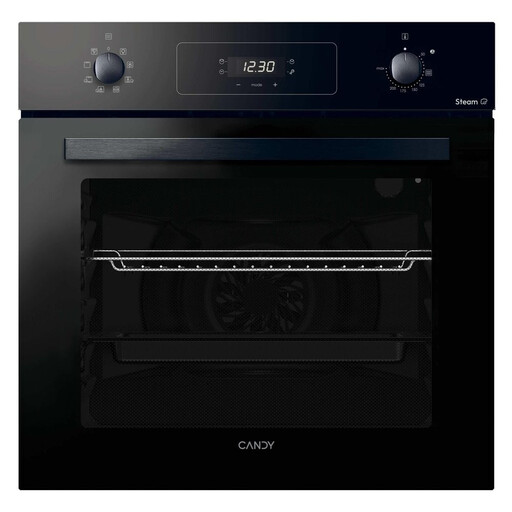 No image available
A single cavity is a route for routine casserole cooking when you do not need separate oven settings for sides. Check the dish’s clearance and the model’s connection instructions; do not assume a plug is supplied.
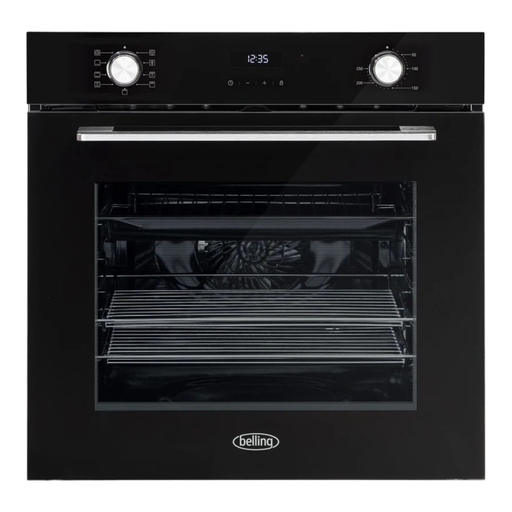 No image available
Consider a single built-in oven if one cavity meets your usual meal needs. Compare its usable shelf space with your casserole dish and check the installation instructions against your kitchen supply.
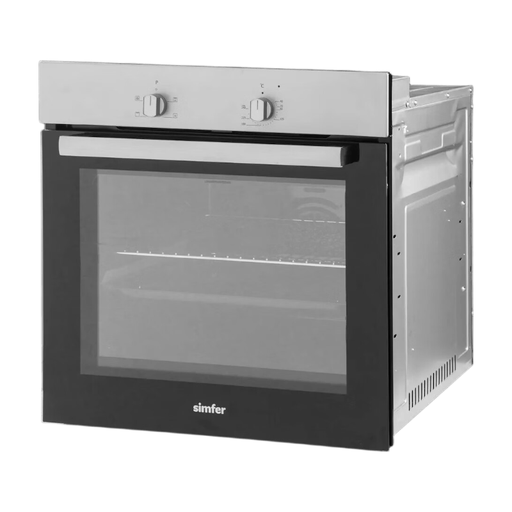 No image available
This single fan-oven format is relevant when one cavity is enough for your casserole. Check the appliance and cabinet dimensions, dish clearance and electrical requirements before selecting it.
It can serve this purpose if the casserole dish fits the usable cavity with enough clearance. Which? notes that mini ovens suit settings such as small kitchens and shared accommodation, but cooking performance varies by model.
That depends on the exact oven and your electrical supply. Electrical Safety First says some ovens have a standard plug while others require hard-wiring; consult a qualified electrician if you are unsure. Electrician hard-wiring is specified for the Beko BBXDF21000S.
Follow the recipe and sausage packaging instructions, and ensure the sausages are thoroughly cooked. The NHS advises that sausages should have no trace of pink meat or blood, particularly in its guidance for pregnancy.
Treat it as a cleaning aid, not a substitute for the model’s maintenance instructions. Let the oven cool fully before cleaning; Electrical Safety First specifically advises waiting until the appliance is cool.