Multi-tray party-food hosts
If wedges need to cook alongside other food, compare usable tray space and the exact oven’s guidance for cooking on several levels. Bosch UK and NEFF UK describe multi-level hot-air features on selected models.


A single built-in fan oven is a sensible starting point for party wedges if its trays fit your batch and the model supports the shelf levels you plan to use. Choose a double oven when other dishes need a separate temperature or schedule, provided your kitchen can accommodate its housing and electrical requirements.
If wedges need to cook alongside other food, compare usable tray space and the exact oven’s guidance for cooking on several levels. Bosch UK and NEFF UK describe multi-level hot-air features on selected models.
If the menu calls for different temperatures or serving times, a double oven offers two cavities. Check that the kitchen can accommodate one before choosing it for that flexibility.
If oily residue after the party is a concern, compare the cleaning method on the exact model. A steam-assisted programme and a pyrolytic programme call for different preparation and cleaning steps.
Choose it when: Wedges and accompanying food can share one cavity and its supported shelf levels.
Trade-off: Dishes needing different temperatures at the same time must be scheduled around one another.
Choose it when: Wedges and another dish need separate cavities, temperatures or schedules.
Trade-off: The housing and electrical connection must suit the particular double oven.
| Concern | What to check | Who this matters to |
|---|---|---|
| Cooking capacity and timing | Check usable tray space, supplied shelves and the model’s guidance for simultaneous cooking. | If wedges and other party food must be ready together, I need enough practical oven space to keep the meal on schedule; roughly 36% of consumers put capacity and timing first. |
| Browning across trays | Look for the exact fan or hot-air mode and its stated shelf-level capability; check that your trays fit without obstructing airflow. | When I spread wedges over several trays, I want to avoid one batch browning much faster than another; around 29% of consumers prioritise consistent browning. |
| Kitchen fit and connection | Compare the installation guide’s cabinet dimensions and electrical requirements with your kitchen. | If I am replacing a built-in oven, it has to fit the existing space and suit the available connection; approximately 21% of consumers put installation compatibility first. |
| Clean-up | Identify the exact cleaning system and read its instructions for preparation, wiping and cooling. | After cooking oily party food, I would rather choose a cleaning routine I will actually use; roughly 14% of consumers make clean-up their primary concern. |
Multi-level cooking claims apply to particular models; the shelf layout and whether your trays fit also affect how you can use the cavity.
Check the exact oven’s stated shelf-level capability and supplied accessories against the trays you intend to use.
Built-in dimensions and connections differ. Electrical Safety First notes that some ovens use a standard plug while others require hardwiring into a dedicated circuit.
Measure the cabinet, consult the model’s installation instructions and arrange a qualified installer where the required work calls for one.
An unsuitable housing or connection may require changes before the oven can be installed.
An air-fry setting does not establish the result for every potato dish; food preparation, loading and the model’s instructions still matter.
Treat air-fry as an optional feature and check ordinary fan cooking, usable tray space and whether a compatible tray is included.
Steam-assisted cleaning softens residue for wiping, while a pyrolytic programme uses high heat and requires the steps specified in the manual.
Choose a documented method that suits your routine, and follow the model’s preparation and cooling instructions.
Relevant if you are comparing built-in single and double ovens for cooking several party dishes.
Relevant if cooking different dishes across several levels is central to your party menu.
Relevant if you want to compare fan cooking with additional functions and cleaning options.
Relevant if you are considering a built-in fan oven with a straightforward cleaning routine.
Relevant if an integrated air-fry function would be useful alongside ordinary fan cooking.
These built-in single and double ovens offer different ways to plan party cooking. Compare cavity layout and the exact installation requirements before deciding which suits your menu.
 No image available
Consider the separate cavities if wedges and another dish need different cooking schedules. Check tray fit, the housing and electrical installation before ordering.
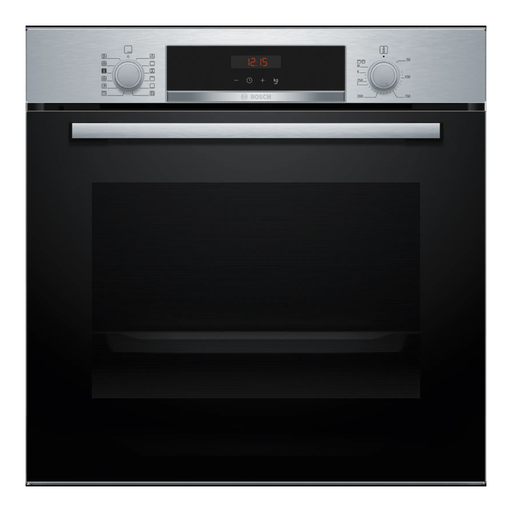 No image available
This single-oven option suits a menu that can share one cavity, with pyrolytic cleaning to consider for the post-party routine. Confirm usable shelf levels, cabinet fit and electrical connection.
 No image available
The double-oven layout is worth considering when wedges and another dish need separate cooking space. Check its shelf-use guidance, eye-level housing dimensions and electrical requirements.
 No image available
Its two-cavity format may suit dishes that cannot follow the same schedule. If several trays of wedges must cook together, check the model’s fan-cooking guidance as well as cabinet and connection requirements.
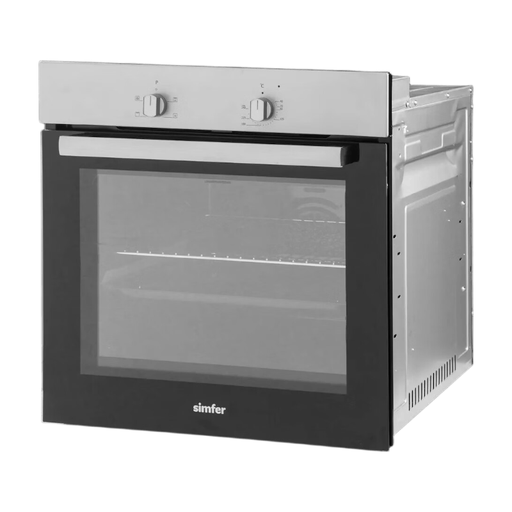 No image available
This single fan oven is an option when the party batch can use one cavity. Check how many shelf levels suit fan cooking, whether your trays fit and what the installation requires.
It can be enough if the batch fits its usable trays and the model supports the shelf levels you intend to use. Consider a double oven instead when other dishes need a separate cavity or temperature at the same time.
No; an air-fry programme is optional. Compare the oven’s ordinary fan mode and tray capacity first, then check whether an air-fry programme and compatible tray suit how you plan to cook.
No single connection arrangement applies to every built-in oven. Electrical Safety First notes that some ovens have a standard plug while others need hardwiring into a dedicated circuit; check the model’s instructions and arrange a qualified electrician for electrical work where required.
Choose according to the cleaning routine you are prepared to follow. Steam-assisted cleaning softens deposits for wiping, while pyrolytic cleaning uses a high-temperature programme; follow the exact oven’s preparation and cooling instructions.