Hosts cooking several dishes
If squash needs oven space alongside a main dish, sides or dessert, consider usable tray space and shelf positions. Separate cavities matter when dishes need different settings at the same time.


Choose a built-in single fan oven if you need a permanent main oven and can fit the squash alongside the rest of the meal in one cavity. A double oven gives dishes separate cavities when their temperatures or timings differ; a countertop convection appliance is more suited to a smaller batch or extra cooking space, provided its tray fits and it can be positioned and connected safely.
If squash needs oven space alongside a main dish, sides or dessert, consider usable tray space and shelf positions. Separate cavities matter when dishes need different settings at the same time.
Cabinet fit and electrical connection matter as much as cooking features. Check the installation instructions for the exact model and arrange a qualified electrician where required, as Electrical Safety First advises.
A countertop oven can take a smaller tray or help when the main oven is occupied. Measure the intended tray and available worktop space before relying on one for the gathering.
Start with the squash batch and the other dishes that must cook at the same time. That determines whether one cavity, two cavities or a compact supplementary appliance is worth considering; then check tray fit, cooking modes and installation.
Choose it when: One fitted cavity can accommodate the trays and dishes you intend to cook.
Trade-off: It cannot run another dish independently at a different temperature.
Choose it when: Squash and another dish need separate temperatures, timings or cooking functions.
Trade-off: The two cavities need a suitable housing; check which cooking functions each cavity actually has.
Choose it when: A smaller squash batch needs extra cooking space, or a fitted oven is not the intended purchase.
Trade-off: Tray space and safe worktop positioning need checking; a combination microwave makes most sense if its microwave functions are useful too.
| Concern | What to check | Who this matters to |
|---|---|---|
| Space for the meal | Measure usable tray space and shelf positions; if considering two cavities, check each cavity’s functions. | I need room for the squash while other dishes cook, rather than a litre figure that says little about tray fit. Around 36% of consumers would put usable meal capacity first. |
| Browning across trays | Check the exact model’s fan or multilevel modes and look for independent heat-distribution tests where available. | When cooking squash on more than one shelf, I want to know whether the trays cook consistently. For around 29% of consumers, that would be the primary concern. |
| Fitted installation | Compare the housing dimensions with the installation instructions, then confirm the required electrical connection. | I am replacing a built-in oven, so it must suit the existing kitchen and electrical supply before its cooking features matter. Installation would come first for around 21% of consumers. |
| Compact extra cooking | Check internal rack or tray dimensions and the manufacturer’s positioning and power instructions. | My main oven is occupied, and I need another place to cook a manageable batch without fitting a second appliance. Around 14% of consumers would prioritise that compact supplementary role. |
Fan and multilevel labels describe cooking functions, not a measured result for every oven. Which? tests heat distribution and temperature-control accuracy separately.
Check independent results for the exact model where available, and make sure your squash fits on the intended trays without overcrowding.
Appliance dimensions, the required opening and electrical connection can differ between models. Electrical Safety First advises qualified installation where needed.
Compare the installation drawing with your housing and confirm the circuit and connection method with a qualified electrician before ordering.
The installation may also require electrical or cabinet work.
Capacity describes volume, while rack width, shelf positions and the supplied accessories determine how you can arrange a batch.
Check the usable rack and tray dimensions for each cavity, especially if you plan to cook squash in a single layer.
Electrical Safety First warns that ovens and grills can draw substantial power and that an overloaded extension lead poses a fire risk.
Follow the appliance’s connection instructions and use an appropriate socket rather than an overloaded extension lead.
Relevant if you are considering a fitted single oven with fan and multilevel cooking.
Relevant to comparisons between fitted single and double oven layouts.
Relevant if separate built-in cavities would help coordinate a larger meal.
Relevant to shoppers considering a countertop appliance instead of another fitted oven.
These choices include built-in double ovens for coordinating dishes, a built-in single fan oven and a countertop combination microwave with a convection mode. Choose by the space and cooking functions your meal needs, then check the exact model’s tray fit and installation instructions.
 No image available
Consider this double oven when squash and another dish need separate cooking spaces.
The upper cavity is described as conventional cooking and grill, rather than a second fan oven. Confirm tray fit, housing dimensions and hardwired installation requirements; the height description and stated dimension need particular care when measuring.
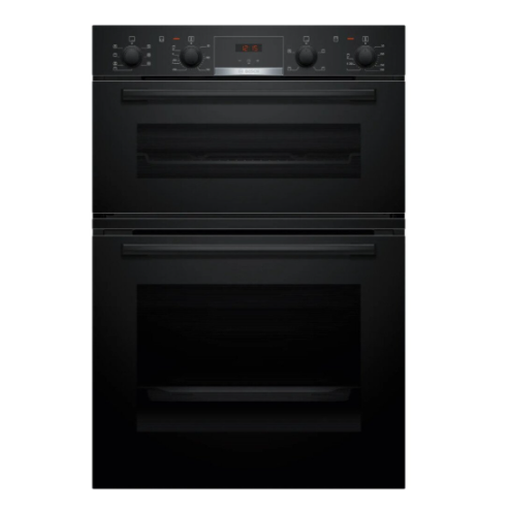 No image available
Its two-cavity format is relevant when the squash and another dish need different settings.
Plan for eye-level built-in installation, not an under-worktop position. Check the housing, usable tray space and hardwired circuit requirements with a qualified installer.
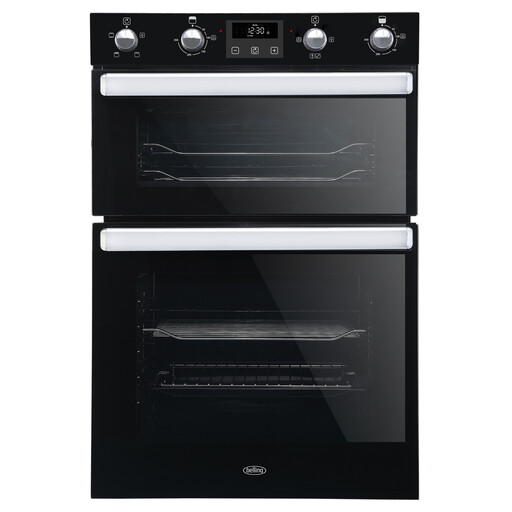 No image available
This is another two-cavity option for cooking squash while coordinating a separate dish.
Check which functions apply to each cavity, whether your trays fit and what housing and electrical connection the installation instructions require.
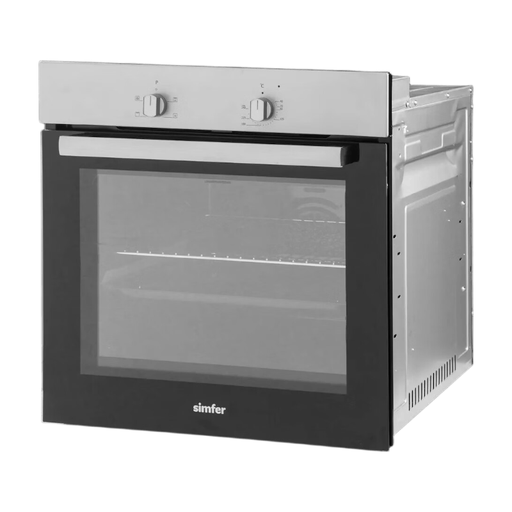 No image available
Consider a single fan oven if the squash and other dishes can share one cavity at suitable settings.
Before choosing this model, check tray space and electrical connection requirements. Compare its installation drawing carefully with your cabinet: the cabinetry description and stated appliance dimensions do not align clearly.
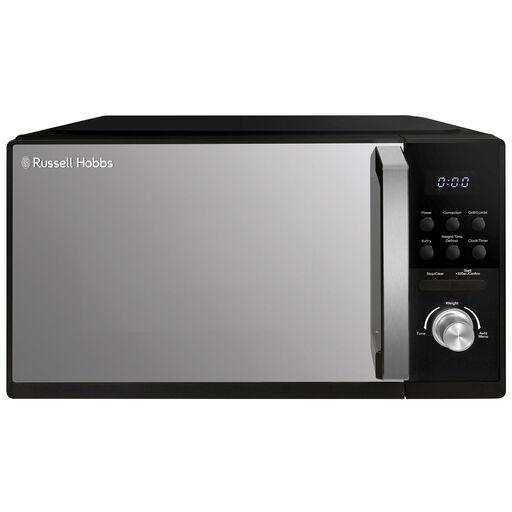 No image available
Its countertop format and convection mode make it a possible supplementary cooker for a smaller squash batch, particularly if microwave functions are useful too.
The 25 L cavity figure does not establish tray fit. Check the usable tray dimensions, intended batch size, ventilation clearances and electrical instructions before relying on it for the gathering.
No, if a single fan oven has enough usable tray and shelf space for the menu. Choose a double oven when squash and another dish need separate temperatures, timings or functions, and check what the smaller cavity can actually do.
Do not assume it will: connection requirements depend on the exact model. The AEG BCX33501KB is specified as hardwired, and Electrical Safety First advises checking power requirements and using a qualified electrician where needed.
It can if the usable tray space fits the batch you intend to cook. Check the rack or tray dimensions rather than relying on cavity capacity alone, and follow the model’s worktop-clearance and electrical instructions.
Cool cooked squash and refrigerate it within one to two hours, following GOV.UK guidance for England, Northern Ireland and Wales. Dividing a large quantity into smaller portions helps it cool more quickly.
No. A cleaning feature may help with residue, but routine care is still needed; check the instructions for the exact oven and let it cool fully before cleaning, as Electrical Safety First advises.