Batch-cooking hosts
If stuffed mushrooms share the oven with other dishes, look at usable shelf positions and evidence of heat distribution across the cavity. A fan setting alone does not establish how evenly a full oven will cook.


For stuffed mushrooms, start with a genuine fan or convection mode, then check how well the particular oven distributes heat rather than relying on the mode name alone. A built-in oven makes more sense for regular cooking or several trays; a compact convection combination microwave can suit smaller batches if your dish fits. For a built-in model, cabinet fit and the required connection are as important to the purchase as its cooking functions.
If stuffed mushrooms share the oven with other dishes, look at usable shelf positions and evidence of heat distribution across the cavity. A fan setting alone does not establish how evenly a full oven will cook.
Start with the cabinet recess and the new model’s installation instructions. Compare cavity space and cooking modes only after checking that the appliance and its electrical connection suit the intended installation.
For smaller portions, a countertop combination appliance with a stated convection mode may be sufficient. Check its usable cavity and accessories against the dish you intend to use.
Choose the oven format around your usual batch size and available space, then assess heat distribution, installation and cleaning on the exact model. Which? assesses oven temperature-control accuracy at different settings; a named fan function is not a substitute for model-specific performance evidence.
Consider it: If you cook regularly or need room for several trays; a double oven also gives you separate cavities.
Account for: The cabinet recess and connection must suit the exact model. A double-oven name does not establish how evenly either cavity cooks.
Consider it: If you make small batches and want convection, microwave and grill functions in a countertop appliance.
Account for: The cavity may restrict your dish or tray choice. Confirm the usable dimensions and supplied baking accessories before treating it as an alternative to a full-size oven.
| Concern | What to check | Who this matters to |
|---|---|---|
| Even browning and batch space | Look for model-specific heat-distribution and temperature-control tests where available. Check the fan mode and usable shelf arrangement for the number of trays you plan to bake. | If I bake several trays, I want the mushrooms to brown without one shelf finishing well ahead of another. Around 36% of consumers put even browning and batch space first. |
| Installation and fit | For a built-in oven, compare its installation drawing with the cabinet recess and check its electrical loading and connection requirements. | Replacing an integrated oven is difficult if the new one cannot fit or use the planned connection. Roughly 29% of consumers make installation and fit their primary concern. |
| Cleaning after spills | Check which cavity surfaces a stated cleaning system covers and what the model manual requires after a cleaning cycle. | When filling or cheese spills are a regular part of cooking, I want a clean-up routine I can keep up with. Around 21% of consumers prioritise cleaning. |
| Energy information and other functions | Compare the exact model’s energy information, cavity size and stated cooking modes; do not use an energy rating as a measure of baking evenness. | If I will use the appliance for more than stuffed mushrooms, I need its other modes to earn their space in my kitchen. Roughly 14% of consumers put energy information and multifunction use first. |
A fan or hot-air label does not tell you how accurately an oven holds its setting or whether different shelves brown food evenly.
Check independent results for the exact model where available, alongside its fan modes and shelf configuration. Which? includes temperature-control accuracy in its oven assessments.
Built-in ovens can differ in their required recess, clearances and electrical connection, even when their advertised widths appear similar.
Measure the housing and compare the model’s installation drawing and electrical specification before ordering. Electrical Safety First advises reviewing an oven’s power requirements, while Bosch recommends qualified technicians for electrical installation.
A countertop combination microwave can have a convection mode while offering less room for baking dishes than a built-in oven.
Compare usable internal dimensions with your dish, and confirm the convection controls and supplied rack or tray for the exact model.
An easy-clean surface, catalytic lining and pyrolytic programme describe different approaches; coverage can vary between cavities and panels.
Read the model’s cleaning specification and manual, particularly if spills from cheese or filling are likely to be frequent.
These ranges illustrate features worth checking on individual built-in ovens, not a comparison of every model each brand makes.
Bosch’s UK built-in range includes single and double ovens with fan, conventional and grill options.
NEFF’s built-in range includes ovens with its CircoTherm hot-air system, aimed at cooking on multiple levels.
AEG offers built-in ovens with SurroundCook or True Fan Cooking; selected models add steam-assisted baking or pyrolytic cleaning.
These built-in single and double ovens are options to examine if you want an installed appliance for stuffed mushrooms and other oven cooking. They include electric and gas models with different installation needs; compare the exact housing and connection requirements before choosing.
 No image available
Consider this double oven if separate cavities would help when stuffed mushrooms share cooking time with another dish.
Bosch specifies two cavities and a 50–275 °C range for the MBA533BB3B, and says its 3D Hotair system distributes heat evenly on up to three levels. Check the cabinet installation drawing and electrical connection before ordering; the heat-distribution statement is Bosch’s claim, not an independent browning test.
 No image available
This is a double-oven option for someone who wants separate cooking cavities for regular meals alongside stuffed mushrooms.
The product name specifies a 90 cm built-in format. Compare its exact housing cut-out and electrical requirements with your kitchen; if cleaning matters, check which cavity surfaces are covered by the model’s cleaning features.
 No image available
Consider a single built-in oven if you want one cooking cavity rather than a double-oven arrangement.
Check the HHF113BA0B’s stated fan functions and usable shelf positions against the batches you usually cook. Confirm the cabinet cut-out, operating temperature range and electrical installation requirements for this exact model.
 No image available
This gas fan oven is relevant if you are considering a built-in gas appliance for larger dishes as well as stuffed mushrooms.
The product name specifies a 70 L single cavity. Have a qualified installer check the required gas connection, applicable gas type and housing requirements for the SG121SS before treating it as a suitable replacement; a fan designation alone does not establish multi-level browning performance.
 No image available
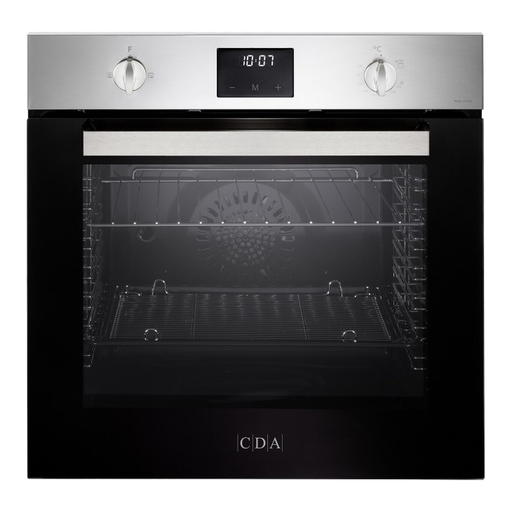
Consider this single oven if a 65 L built-in electric model fits the amount you usually cook.
Confirm the FIDCN605’s fan setting, shelf arrangement and temperature controls for your recipes. Check the exact cabinet cut-out and required electrical connection before arranging installation.
Follow the recipe’s setting and temperature, using the oven’s fan or hot-air mode if the recipe calls for it. Leave space around the tray for airflow, and check the model’s instructions for shelf placement rather than assuming every fan setting cooks the same way.
No: a compact combination microwave can suit smaller portions if it has a genuine convection mode and accepts your baking dish. A built-in oven is the more relevant format when you need larger trays, multiple shelves or regular use of conventional oven functions.
Compare the new model’s installation drawing with your cabinet recess, clearances and available electrical connection; nominal appliance width is not enough. Electrical Safety First advises checking power requirements to avoid overloading wiring, and Bosch recommends qualified technicians for electrical installation.
It is worth considering if baked-on filling or cheese regularly makes cleaning difficult. Check the exact system and the surfaces it covers: AEG describes its pyrolytic programme as turning dirt to ash for wiping away, but other cleaning features work differently and all require you to follow the model manual.
No. Use the exact model’s energy information to assess that aspect of the purchase, but examine capacity, cooking modes and model-specific heat-distribution evidence separately. An energy rating does not establish whether trays of stuffed mushrooms will brown evenly.