Who needs which oven?

Everyday family-lasagne cooks

If a vegetable lasagne is usually your main oven dish, focus on space for your baking dish and dependable cooking at your chosen temperature. Which? assesses heat distribution and temperature accuracy in its built-in oven tests.

Batch cooks and multi-dish hosts

If sides or dessert often go into the oven alongside lasagne, decide whether they can share a cooking temperature and oven cavity. Separate cavities become more relevant when dishes need different settings or timings.

Small-kitchen or temporary-home cooks

When built-in cabinetry is impractical, a countertop oven may be worth considering. Check the usable space for your dish, ventilation and electrical requirements before choosing a compact appliance; Electrical Safety First advises checking an oven’s power requirements.

What matters when choosing?

Built-in single fan oven

Choose when: One cavity usually holds your lasagne and everyday baking.

Allow for: A compatible cabinet and the exact model’s electrical installation requirements.

Built-in double oven

Choose when: Lasagne regularly cooks alongside food needing a different temperature or timing.

Allow for: Suitable housing and enough room for your dish in the cavity you intend to use.

Countertop convection oven

Choose when: A built-in appliance is impractical and you make dishes that fit a compact oven.

Allow for: Less internal space, plus safe placement, ventilation and power checks.

ConcernWhat to checkWho this matters to
Even cooking Check the exact model’s fan or hot-air function and independent findings on heat distribution and temperature accuracy. If I want the centre of a vegetable lasagne heated through without the edges browning too quickly, a fan symbol alone will not settle my choice. Around 36% of consumers might put cooking consistency first.
Dish and kitchen fit Measure the dish including handles; compare it with usable shelf space, then check appliance dimensions, cabinet cut-out and ventilation instructions. My usual lasagne dish needs to fit the oven, and a built-in model also needs to fit the kitchen. For roughly 29% of consumers, that physical fit could be the primary concern.
Cleaning Compare the exact model’s cleaning method and the manufacturer’s instructions for shelves and door glass. When sauce or cheese bakes onto the cavity, I would rather choose a cleaning routine I can manage after cooking. Approximately 21% of consumers might make that their main priority.
Other dishes Decide whether dishes need separate temperatures; if considering a double oven, check each cavity’s usable space. If I often cook sides or dessert with the lasagne, I need to know whether one cavity can handle the meal. That flexibility might come first for about 14% of consumers.

Mistakes to avoid

  • Assuming every fan oven cooks equally evenly

    A fan setting or multilevel claim does not establish how accurately the exact oven holds its temperature. Which? tests both temperature accuracy and heat distribution in built-in ovens.

    Look for independent results for the model you are considering, particularly if consistent browning matters more to you than additional cooking modes.

  • Choosing by litres or a nominal 60 cm size alone

    Cavity volume does not tell you whether a rectangular dish, including its handles, will sit on a shelf. A built-in oven also has specific appliance and cabinet dimensions.

    Measure your dish and compare it with usable shelf space; follow the model’s cut-out and ventilation instructions for the kitchen fit.

    A cabinet that needs altering can delay installation even when the oven’s nominal size looks right.

  • Treating built-in and countertop installation as interchangeable

    Some built-in models specify an electrician connection, while a countertop appliance still needs suitable placement, ventilation and power. Electrical Safety First advises checking power requirements to avoid overloading wiring.

    Check the exact connection and installation instructions before ordering, and arrange a qualified electrician where the model requires one.

  • Choosing extra functions without a matching routine

    Steam assistance, cleaning systems and a second cavity address different tasks; none replaces checking whether the oven fits your dish and kitchen.

    Consider steam for foods you regularly bake with that mode, a cleaning system for the upkeep you want to manage, or a second cavity when you often cook at different temperatures.

Brands to consider for relevant oven features

Bosch

Built-in ovens include hot-air and steam-assisted models.

  • Bosch lists 3D Hotair, an added steam function and a rear-wall cleaning coating for its HQA534BS3B.
  • Bosch says that model has no plug and requires connection by an electrician. Its stated multilevel capability is a manufacturer specification, not an independent cooking result.

AEG

Its built-in range includes fan cooking, steam-assisted baking and model-specific cleaning functions.

  • AEG lists a 71 L cavity, true fan cooking, SteamBake and pyrolytic cleaning for the GA5PB501AB.
  • Features differ between models, and steam assistance is not needed simply to bake a vegetable lasagne.

NEFF

Selected built-in ovens combine the Slide&Hide door with CircoTherm hot-air cooking.

  • NEFF describes its retracting Slide&Hide door as providing access to the cavity; the B6ACH7AN7B lists CircoTherm cooking on up to three levels.
  • The B6ACH7AN7B has no plug and specifies an electrician connection, so check access features alongside installation requirements.

Beko

Its built-in fan-oven range includes AeroPerfect models and model-specific assisted cleaning.

  • Beko lists true fan cooking, a 66 L cavity, removable door glass and SimplySteam cleaning for the BBIF16100.
  • Beko’s AeroPerfect airflow descriptions are its own product claims; compare exact models and independent results rather than assuming one will cook more evenly.

Joybuy ovens for this choice

These built-in single ovens are choices to consider if one cavity suits your vegetable-lasagne routine. Compare each model’s usable dish space and installation instructions before deciding; the products here do not cover the double-oven or countertop routes.
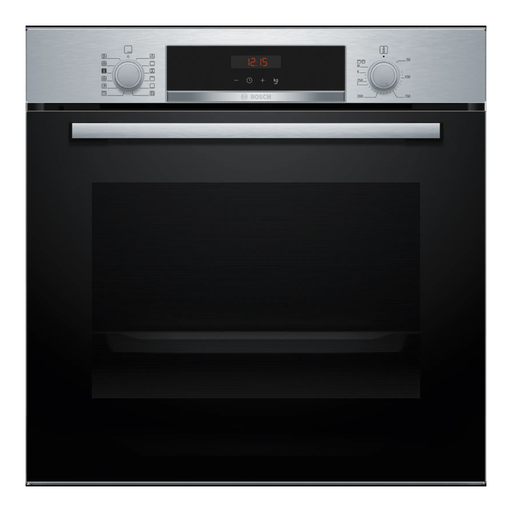
Bosch HQA574BS3B Series 4 pyrolytic single oven in stainless steel

Bosch HQA574BS3B Series 4 pyrolytic single oven, stainless steel

Consider this built-in single oven if you want to compare a pyrolytic-cleaning model for everyday lasagne baking. The title identifies an A energy rating; check usable shelf space, cabinet fit and electrical installation requirements for this exact model.

View on Joybuy

Bosch HHF113BA0B Series 2 built-in single electric oven in black

Bosch HHF113BA0B Series 2 built-in single electric oven, black

This single-oven format is worth considering when lasagne is usually your main oven dish. Measure the dish against usable shelf space and confirm the cabinet and electrical connection requirements before choosing it.

View on Joybuy

Candy FIDCN605 65 L built-in single electric oven in black

Candy FIDCN605 65 L built-in single electric oven, black

Its single-cavity format is relevant when one oven handles your usual lasagne bake. The title states 65 L and an A+ energy rating; neither establishes that your dish fits, so check shelf space, cut-out, ventilation and the specified electrical connection.

View on Joybuy
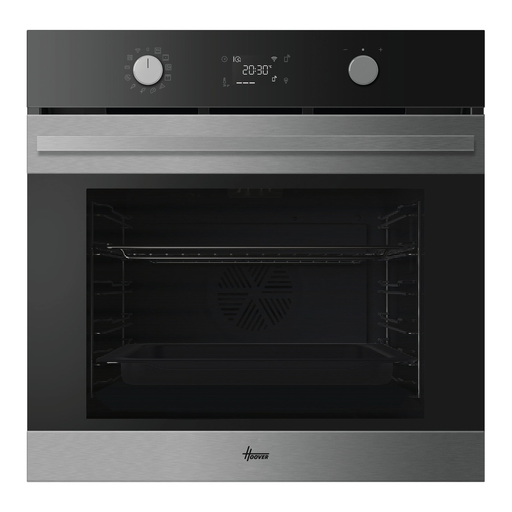
Hoover HO6 H5B3HTX H-Oven 500 built-in electric oven in stainless steel

Hoover HO6 H5B3HTX H-Oven 500 built-in electric oven, stainless steel

Consider this built-in model if one oven cavity fits your cooking routine. Its title states 70 L, smart controls and an A+ energy rating; compare your dish with usable shelf space and check the cabinet, ventilation and electrical installation instructions.

View on Joybuy
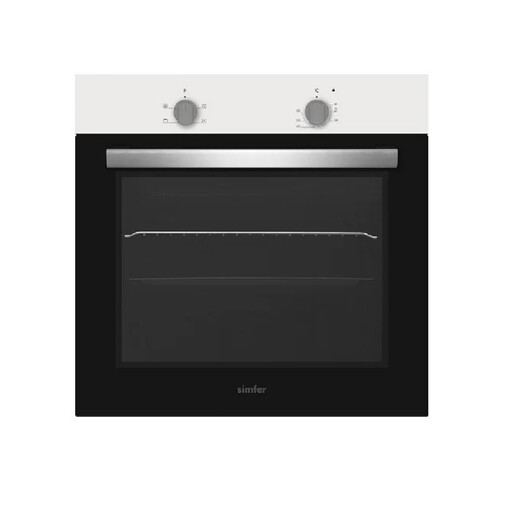
Simfer FO60W built-in single electric oven in white

Simfer FO60W built-in single electric oven, white

This single-oven format may suit a kitchen where one cavity is enough for lasagne and everyday baking. The title identifies an A energy rating; check the appliance and cabinet dimensions, usable shelf space and electrical connection before ordering.

View on Joybuy

Common questions

Do I need a double oven to make vegetable lasagne?

Usually not if lasagne is your main oven dish: a full-size single fan oven is the more direct format to consider. A double oven becomes useful when you regularly need a separate cavity for food cooked at a different temperature or timing.

Does a fan setting mean a lasagne will cook evenly?

No: a fan setting alone does not establish how evenly an exact model spreads heat or how closely it holds the selected temperature. Which? tests both characteristics in built-in ovens, so look for model-specific independent results when consistency is a priority.

Does a built-in electric oven need an electrician?

Check the exact oven’s installation instructions: some built-in models have no plug and specify connection by an electrician. Electrical Safety First advises checking power requirements and using a qualified electrician where needed.

Can a countertop convection oven take a vegetable lasagne dish?

It can only be a suitable choice if the dish fits its usable interior and the appliance can be positioned, ventilated and powered safely. Measure the dish including handles and compare it with internal shelf dimensions rather than relying on the oven’s litre capacity.

Which cleaning feature is useful after baking lasagne?

Choose according to the residue you regularly need to clean and the upkeep you are willing to do. AEG and NEFF list pyrolytic cleaning on selected models, while other models offer steam-assisted cleaning; compare the exact system and follow its instructions rather than treating the methods as interchangeable.